OpenClaw Claude SDK Proxy: Zero-Pollution Wrapper
A system prompt cut from 5,000 tokens to almost nothing, and what that reveals about where the weight actually lives. Read it for the architecture, not for the recipe.
Your agent starts every session from zero because nothing about how you work is written down. An 8-layer knowledge base — brand, memory, workflows, tools, specs — plus two full production demos where only the knowledge base changes and the output changes completely.
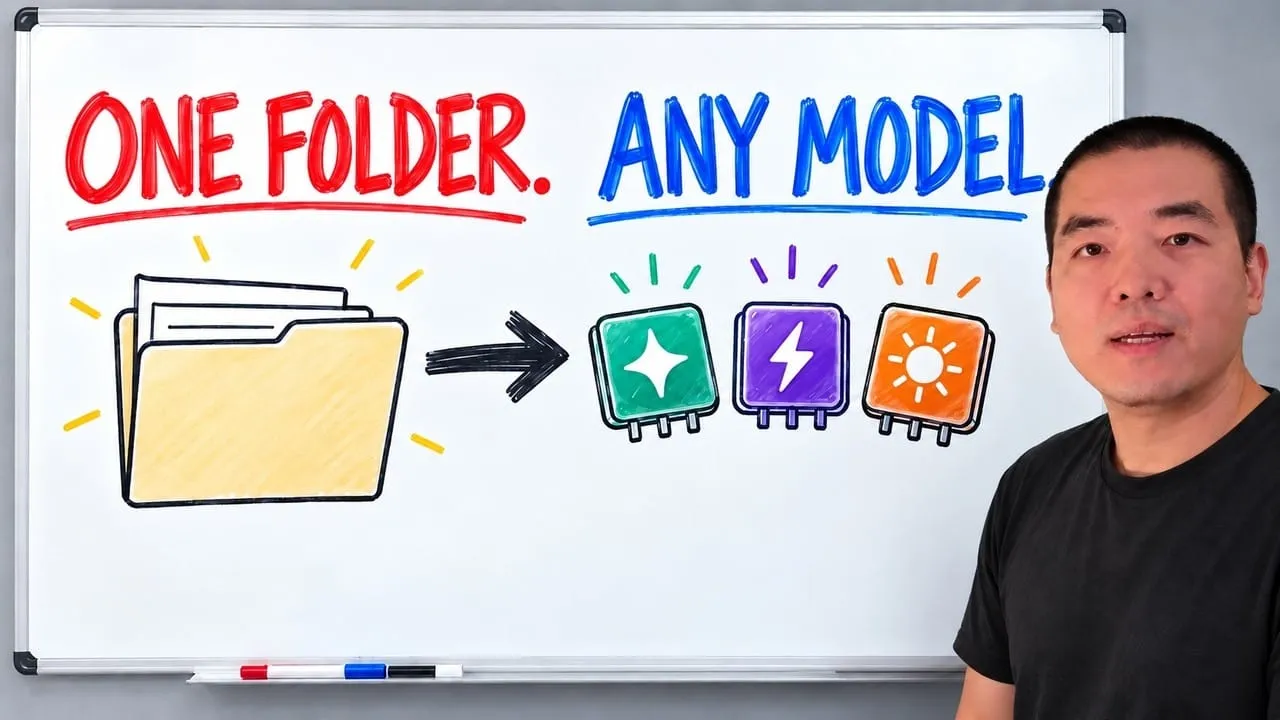
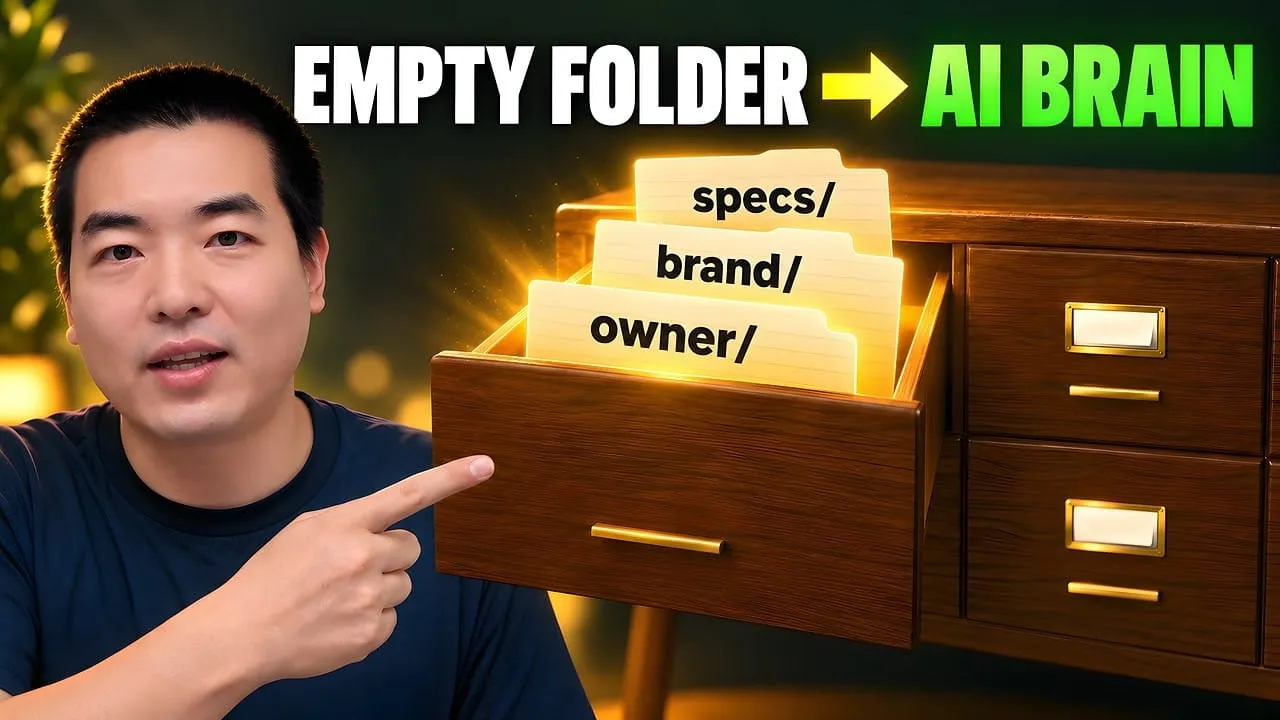
An AI agent for business forgets rules that live only in chat. Put role, rules, and job steps in one folder—and copy a build prompt that interviews you and sets it up in any agent.
84 articles, 225 views, 0 likes. A day spent building the distribution layer that publishing alone never provides: four reusable systems for repurposing, internal linking, and resurfacing old work, plus the prompts behind each one.
Your agent isn't forgetful — it was never given a role. Define it the way you would write a job description: identity, expertise, working process, output standard, hard limits, in one file every tool loads. Portable across models, and no framework update can break it.
Building a website with AI is no longer about picking a tool, it is about picking an input method. Seven ways in, compared on cost, output quality, and where each one breaks: prompt, screenshot, Figma, video, sketch, URL, and design system.
When I rebuild one with AI agents, you get the write-up — including the parts that didn't work. No weekly roundup, no "5 tools you need."
A system prompt cut from 5,000 tokens to almost nothing, and what that reveals about where the weight actually lives. Read it for the architecture, not for the recipe.
An architecture study, not a recommendation: wrapping the Claude Code CLI as a local OpenAI-compatible endpoint, five layers deep, with the account and Terms of Service risk stated before the design, and what a paid seat does not let ai automation tools reuse.
The bad failures are the quiet ones. The agent did not crash, it just stopped, and nobody on the team noticed until Monday. Opening the log is the wrong first move: the agent already wrote down what it was doing, in plain language, in its own channel. Two small scripts put that in front of you.
Models, tools, and frameworks are rented. The only AI asset that compounds is the knowledge base you wrote down on disk — and built your agents to read.
The sixty-thousand-dollar quote died between two desks, each assuming the other owned it. Agent teams reproduce that failure faster. Slice by outcome rather than role type and most of the handoff problem in business process automation disappears.
Eight AI agent frameworks tested side by side: Hermes, OpenClaw, Claude Code, OpenCode, Codex CLI, OpenHands, Goose, and Aider. Concrete numbers on security records, monthly costs and model flexibility, plus why the people running ai automation tools well rarely settle on one.
Three scheduling systems in five years, and the same thing broke each quarter because nobody wrote down who approves a shift swap. Tools rotate; the five pillars of business process automation that survive every swap do not.
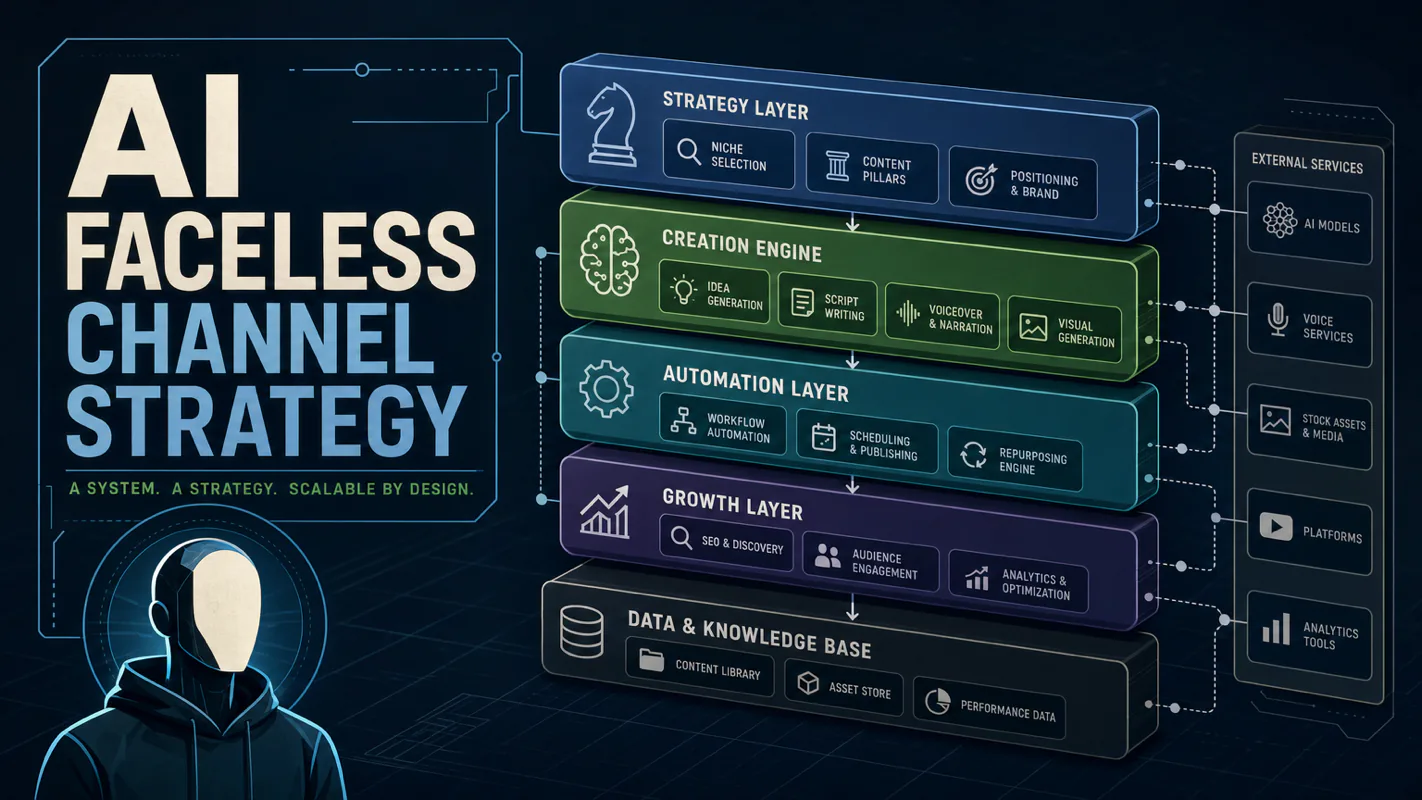
From one agent to a ten-agent fleet with zero employees: a four-layer architecture, a knowledge base that ends prompt-stuffing, a Skill system that makes workflow automation reusable, and an orchestration model that scales from one laptop to distributed machines.
A system prompt cut from 5,000 tokens to almost nothing, and what that reveals about where the weight actually lives. Read it for the architecture, not for the recipe.
An architecture study, not a recommendation: wrapping the Claude Code CLI as a local OpenAI-compatible endpoint, five layers deep, with the account and Terms of Service risk stated before the design, and what a paid seat does not let ai automation tools reuse.
The bad failures are the quiet ones. The agent did not crash, it just stopped, and nobody on the team noticed until Monday. Opening the log is the wrong first move: the agent already wrote down what it was doing, in plain language, in its own channel. Two small scripts put that in front of you.
The sixty-thousand-dollar quote died between two desks, each assuming the other owned it. Agent teams reproduce that failure faster. Slice by outcome rather than role type and most of the handoff problem in business process automation disappears.
The code licence and the weights licence are two documents, and usually only one of them gets read. Sort the field into synthesis, cloning, and conversion first, then let commercial terms cut the list before an ai assistant for business ever speaks.
Sameness is not a design problem, it is a memory problem: nothing carries a decision from one article to the next. One style drawn per article, held across every image inside it.
You need one good image, not a pipeline. Pick a tool, drop one reference, paste one prompt — done in 60 seconds. Five copy-ready templates, plus a checklist for telling when a job is genuinely big enough to deserve real workflow automation instead.
Prompts drift; reference images do not. A 5-step workflow automation setup that locks palette, composition, and texture across every illustration by anchoring to a single reference image — plus custom styles, platform aspect ratios, and storage backends.
Work that nobody complains about and nobody owns is the work that never gets done. Nothing breaks when one is missing, which is exactly why a hundred go missing. That shape of task is the clearest signal to automate business processes, and 155-character descriptions are the textbook case.
A topic plus a deadline is not a brief. It is an invitation to guess, and every writer guesses differently. Settling the answerable question before anyone writes is the cheapest quality control there is, and the one input a company can standardise when it moves to automate business processes.
SEO is where workflow automation pays off fastest: 112 CLI commands covering keyword research, site audits, indexing, link checks, GEO optimization, and AI search visibility — organized by website lifecycle stage, so you run the five that matter now instead of all 112.
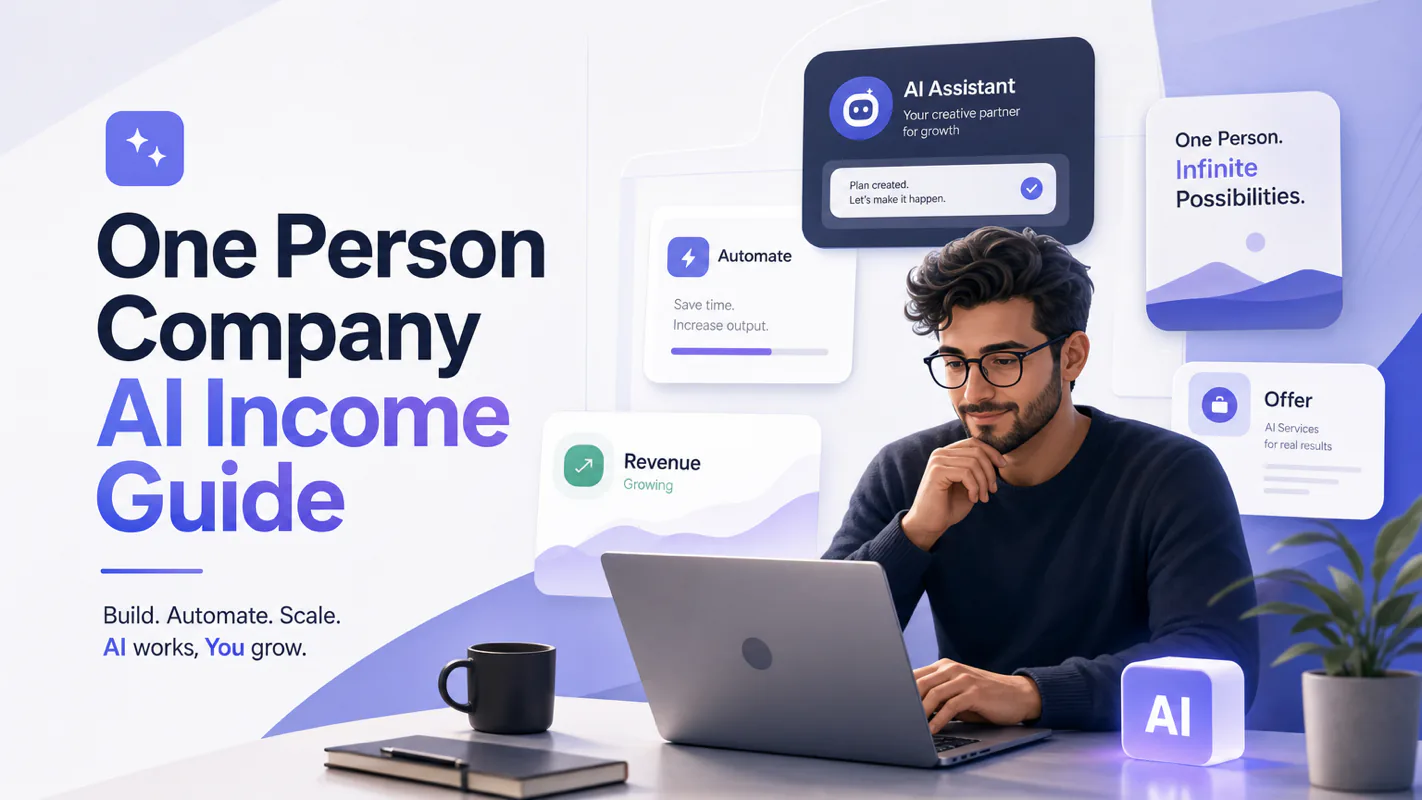
A one-person company powered by AI is no longer a thought experiment: 29.8 million US solo firms generate $1.7 trillion. This playbook covers the four assumptions that broke, the four pillars a durable small business runs on, six proven paths, and the cost math behind 2026.
In a few years an org chart grows a line nobody has a title for: whoever runs the agents. This roadmap covers the five fronts creating that role — multi-agent, multimodal, industry shifts, infrastructure, governance — plus four steps from using AI for business to orchestrating it.
Before buying a course, check what the free tier already covers. 600+ verified resources in 12 categories, each with an audience and a time estimate — enough to run ai for small business training on a zero budget.
A practitioner's guide to domain-specific RAG knowledge bases across finance, tech, and consulting: the five-dimension framework, chunking that lifted retrieval accuracy, embedding selection, metadata design, and the maintenance cycle that keeps answers true after launch.
One canonical knowledge store any MCP-aware AI tool can query: three independently replaceable tiers, eight industry templates, and per-person access you revoke with a single command. Built so the knowledge stays with the business when the person leaves.
When I rebuild one with AI agents, you get the write-up — including the parts that didn't work. No weekly roundup, no "5 tools you need."