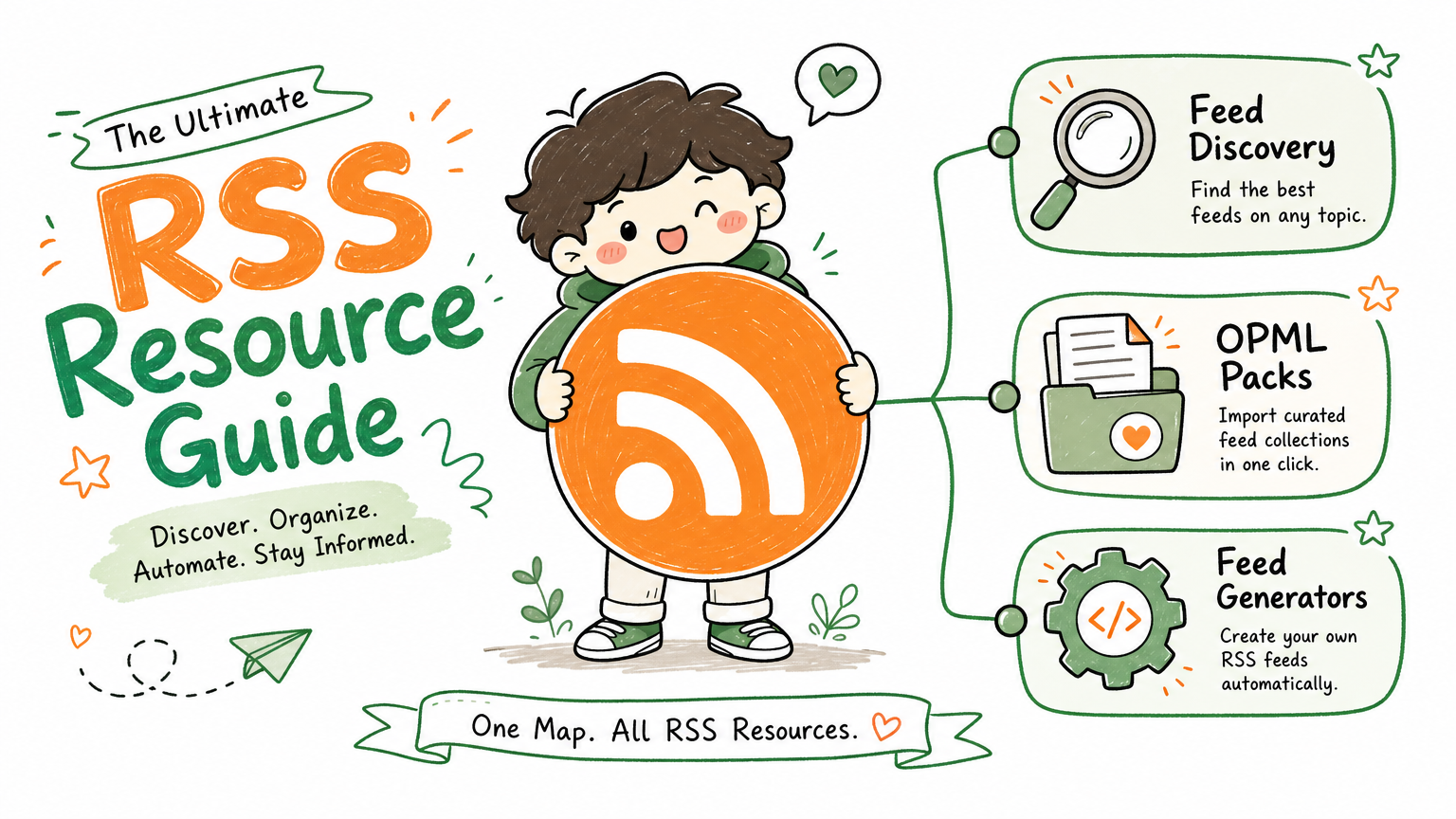
Monitoring a competitor who publishes no feed is the case every RSS guide skips. Twenty-one platforms sorted by which of three jobs they do, and the finished setup is business process automation you own outright, with no seat licence to renew.
Blaming the content is the reflex when a post underperforms, and it is usually the wrong diagnosis. A second reader decides distribution before any human sees the post, and most of what it checks is mechanical enough to automate business processes around, on five platforms at once.
Gloves on, tape measure in hand — nobody types a query. Three voice surfaces for ai automation tools (terminal, Telegram, Discord), 10 TTS and 6 STT providers compared on cost and latency, plus a setup that costs nothing.
One Person Company AI Income Guide: How Solopreneurs Use Agents to Out-Produce Teams
Passive income advice never names which revenue line keeps running when you stop. This one does: the structural difference between a business that survives your absence and one that does not, the tool stacks behind each, and an honest month-by-month ramp for a one-person small business.
"Build something that makes money while you sleep" is the most repeated and least specified advice in small business. Nobody says which of your revenue lines survives you being gone, or what it costs to keep one running. A specialty food seller who packs every order by hand has none of it; the same catalog with an automated fulfillment and reorder path has some. The difference is structural, not motivational. What follows names three structures with real revenue attached -- Levels near $250K a month, Postma at $300K, Marc Lou past $1M -- plus the tool stacks and what months one through twelve look like.
Pieter Levels earns $250,000 per month from a portfolio of solo-built products. Danny Postma generates $300,000 per month from HeadshotPro with zero employees. Marc Lou crossed $1,000,000 in 2025 from 15 stacked income streams.
None of them have a team. All of them use AI as their execution layer.
This guide does one thing: it breaks down how these solopreneurs built their one person company AI income systems into parts you can replicate. Three paths show where the money comes from. Real revenue trajectories show what the growth curve actually looks like. Exact tool stacks show what to buy and what to skip. A month-by-month roadmap tells you where to start and what to expect.
What Does "One Person Company AI Income" Actually Mean?
A one person company AI income system is not freelancing with ChatGPT. It is not selling prompt templates on Etsy. It is a business structure where one person acts as the decision layer and AI agents form the execution layer, producing sustainable revenue.
The numbers make the distinction concrete.
Pieter Levels runs Photo AI — an AI headshot generator — on a single DigitalOcean VPS costing $40 per month. His AI API costs (Replicate GPU bills) run approximately $12,000 per month. Revenue: $132,000-138,000 MRR. Profit margin: 87%. Employees: zero. The entire codebase is a 40,870-line PHP file.
Danny Postma built HeadshotPro in 30 days. It earned $100,000 in its first two weeks. By 2025, it reached $300,000 MRR and served 197,000 customers with over 17 million headshots generated. He runs approximately 20 AI products simultaneously through his holding company Postcrafts, operating from Bali.
The core difference from a traditional side hustle: what happens when you stop working.
Side hustles sell time. You take a gig, deliver it, get paid. Revenue tracks hours. You stop, income stops.
A one person company builds assets. Every automated pipeline, every product serving itself, every piece of content ranking in search keeps producing value after you walk away. Agents do not sleep. Pipelines do not pause. Pieter Levels' products generate revenue 24/7 while he travels with a laptop.
Three Income Paths: Real Numbers Behind Each One
Three paths exist for solopreneur AI income. Each has a different startup barrier, revenue ceiling, and time-to-first-dollar. Here is what they look like with real data attached.
Path 1: Sell AI Automation Services
You solve automation problems for businesses and charge per project or monthly retainer.
Case study: n8n Workflow Freelancer — $8,200/month in 7 months. A freelancer started building n8n workflows for clients found entirely through Reddit comments and LinkedIn posts. No website. No portfolio. No formal marketing. First client came from a Reddit comment and paid $600. Within seven months: $8,200 per month, 25 hours per week, 43 completed projects averaging $1,325 each, six retainer clients paying $500-1,000 monthly.
Case study: No-Code AI Automation Agency — $5,200 MRR in 90 days. A former project manager built an AI automation agency using Make.com, OpenAI API, and Airtable. Focused on a single automation: abandoned cart recovery plus email sequencing for Shopify stores. Offered $500 pilot projects to reduce buyer friction. Signed six retainer clients within 90 days at $1,500-5,000 per month.
Metric
Automation Services
Time to first dollar
1-3 weeks
Monthly revenue range
$2,000-15,000
Startup cost
$0-50/month (n8n is free to self-host)
Time investment
20-30 hours/week
Core tools
n8n or Make.com, Claude/ChatGPT, Airtable
Typical project price
$300-4,000 per project
Retainer price
$500-5,000/month
The service path tool chain:
Workflow builder: n8n (free, self-hosted) or Make.com ($9-16/month starter)
AI backbone: Claude Pro ($20/month) or OpenAI API (pay-per-use)
You package hands-on experience into a course and sell it to people who want the same results.
Case study: Marc Lou — CodeFast at $9,000-20,000/month. Marc Lou's CodeFast course teaches founders to code. Combined with ShipFast (a startup boilerplate at $3,000-20,000/month) and 13 other products, his portfolio generated $1,032,000 in 2025. Margins: approximately 85%. His entire operation is solo.
Case study: AI Fine-Tuning Course — $50,000 total revenue. A machine learning engineer turned server debugging expertise into a Teachable plus Udemy course. Revenue breakdown: Teachable direct sales ($22,100, 44.2%), Udemy organic ($12,400, 24.8%), Udemy self-promoted ($8,200, 16.4%). Maintenance: 1-2 hours per month for updates.
Industry benchmarks (2026 data):
Top 15% of course creators earn $100,000+ per year
Average Kajabi creator: $37,000/year
Average Udemy creator: $3,300/year (heavily skewed by inactive accounts)
AI-assisted course production cuts creation time by 80-90% and reduces break-even from 6-12 months to 1-2 months
A solo creator using AI tools can produce 5-8 courses per year versus 1-2 without AI
Metric
Course Sales
Time to first dollar
2-3 months
Monthly revenue range
$500-20,000
Startup cost
$30-70/month (Teachable Builder or Gumroad)
Time investment
15-25 hours/week during creation, 2-5 hours/week ongoing
Core tools
Teachable/Gumroad, Claude for scripting, screen recording software
Content creation: Claude or ChatGPT for script outlines and lesson drafts
Recording: OBS Studio (free) or ScreenFlow ($169 one-time)
Editing: Descript ($24/month) for AI-powered video editing
SEO/discovery: Ghost or WordPress blog driving organic traffic
Total monthly cost to start: $20-30 (Gumroad + AI subscription)
Path 3: Sell AI-Powered Tools and Products
You productize a solution into a self-serve product that users pay for without your involvement.
Case study: Pieter Levels — Photo AI at $138,000/month. Revenue trajectory from public disclosures:
Week 1: $5,400 MRR
Month 2: $28,700 MRR
Month 6: $61,800 MRR
Month 12: $77,000 MRR
Month 18: $100,000+ MRR
Month 30 (current): $132,000-138,000 MRR
Tech stack: PHP + SQLite (no modern frameworks), Replicate API for AI inference (no custom models), single DigitalOcean VPS ($40/month), Stripe for payments. Paid-only from day one — no free tier. Monthly hosting: $40. Monthly AI API costs: $12,000. Profit margin: 87%+.
Case study: Danny Postma — HeadshotPro at $300,000/month. Built custom AI models by training on Python for 3-4 weeks instead of wrapping third-party APIs. Pricing: $29 (40 headshots), $39 (100 headshots), $59 (200 headshots). Priced against the $500+ cost of a professional photographer — capturing massive value spread at near-zero marginal cost. Growth: entirely X/Twitter and word of mouth, zero SEO, zero paid ads.
Case study: Jack — Profit AI (Shopify app) at $30,000/month. A non-technical e-commerce operator built a Shopify profit analytics app using Cursor and Claude Code. Development time: 3.5-4 months. Priced at $800/month. 38 paying customers generating $30,000 MRR plus $10,000/month in consulting services. Total revenue in first 5 months: $147,000.
Case study: Tyler Yin — AIDesigner from $1K to $9,500 MRR in 30 days. Solo indie hacker built an AI UI design platform. Growth strategy: relentless shipping plus raw demo videos on X. One viral post generated $1,025 in sales and $700 MRR in 24 hours. Pricing: $25/month Pro tier.
Metric
AI Tools/Products
Time to first dollar
1-4 months
Monthly revenue range
$1,000-300,000
Startup cost
$50-200/month
Time investment
30-50 hours/week during build, 10-20 hours/week ongoing
Core tools
Cursor/Claude Code, Replicate or OpenAI API, Vercel/VPS, Stripe
Typical pricing
$9-199/month (SaaS) or $29-59 one-time (consumer)
How to choose? Start with services. The n8n freelancer started earning in days. The automation agency hit $5,200 MRR in 90 days. Those case studies become the raw material for a course. Technical confidence from services feeds into building tools. Marc Lou's path illustrates the stack: he solved problems, built tools that solve them for others (ShipFast), taught people how to solve them (CodeFast), then stacked all of it into a $1M/year portfolio.
The Exact AI Tool Chain for Each Income Model
Every successful solopreneur above converges on a surprisingly lean stack. Here are the three configurations mapped to each path.
Pieter Levels' entire Photo AI stack at $138K MRR costs roughly $12,040/month (a $40 VPS plus $12,000 in Replicate API bills). That is a 91% gross margin. The lesson: AI products have software economics with near-zero marginal cost per user. The expensive part is acquiring the user, not serving them.
Month 1-3-6-12 Revenue Trajectory: What to Actually Expect
Revenue claims without timelines are noise. Here are realistic projections based on the documented trajectories above.
Path 1: Automation Services
Month
Revenue
Milestones
Month 1
$600-2,000
Land first 1-2 clients from Reddit, LinkedIn, or Upwork. Average project: $600-1,300.
Month 3
$3,000-5,200
3-5 active clients. First retainer signed ($500-1,000/month). Portfolio of 8-12 completed projects.
Month 6
$5,000-8,200
5-8 retainer clients. Referrals replacing outbound effort. Working 25 hours/week.
Month 12
$8,000-15,000
Raise rates to $2,000-5,000/month per retainer. Sell n8n template packs on Gumroad ($39-99 each) for passive income. Combined active + passive income.
Based on: n8n freelancer ($0 to $8,200/month in 7 months), no-code agency ($0 to $5,200 in 90 days).
Path 2: Course Sales
Month
Revenue
Milestones
Month 1
$0
Publish 3-5 free blog posts or YouTube videos testing topics. Measure engagement. Do not build the course yet.
Month 3
$500-2,000
Launch first course on Gumroad. Pre-sell using an outline to 10-30 early buyers at $29-49. AI-assisted production cuts creation time to 2-4 weeks instead of 3-4 months.
Month 6
$1,500-5,000
Second course launched. Cross-list on Udemy for marketplace discovery. Blog SEO begins driving organic traffic.
Month 12
$3,000-15,000
3-5 courses in catalog. Move to Teachable Builder when monthly revenue exceeds $533. Newsletter with 500-2,000 subscribers driving direct sales (97% revenue retention versus 37% on Udemy organic).
Based on: Marc Lou's CodeFast ($9,000-20,000/month after audience building), Udemy/Teachable revenue data, AI course creator earning $3,000-5,000/month within first year.
Path 3: AI Tools and Products
Month
Revenue
Milestones
Month 1
$0
Build MVP in 2-4 weeks using Cursor + Claude Code. Ship something minimal. Charge from day one — no free tier.
Month 3
$1,000-9,500
First paying users. Iterate based on feedback. Tyler Yin hit $9,500 MRR in 30 days through relentless shipping + X demos. More realistic first-timer target: $1,000-3,000 MRR.
Month 6
$5,000-30,000
Product-market fit confirmed. Pieter Levels was at $61,800 MRR by month 6 — but he had 600K X followers. Realistic for a first-timer with growing audience: $5,000-15,000. Jack hit $30,000 MRR in month 5 with a Shopify niche.
Month 12
$10,000-77,000
Compound growth from SEO, word of mouth, and feature iteration. Photo AI was at $77K MRR by month 12. A realistic first-product target: $10,000-30,000 MRR.
Critical caveat: Pieter Levels had a 600,000-follower X audience and 70+ prior projects. Danny Postma had a 7-figure exit behind him. Distribution is the multiplier these numbers depend on. A realistic target for a first-time founder building audience from scratch: pick a narrower vertical, build a 5,000-10,000 niche audience on X or LinkedIn, and target $10,000-30,000 MRR in 6-12 months.
How to Build the Agent Layer From Scratch
Once you pick a path, the next step is turning "one person" into "one person plus an agent team."
Step 1: Build a Knowledge Base (Week 1-2)
A knowledge base is the onboarding document for your agent team. Without one, every agent gives generic output. With one, agents know your brand voice, product specs, audience profile, and quality standards.
What goes in:
Brand voice guidelines (3-5 example paragraphs that sound like you)
Product specifications and pricing
Target audience profile (who, what pain, what they pay for)
Published content examples for style reference
Standard operating procedures for recurring tasks
Building my own knowledge base was the single highest-leverage move I made as a solopreneur. First drafts went from "vaguely useful" to "95% ready to publish." Editing time dropped from an hour per piece to ten minutes.
Step 2: Set Up Agent Orchestration (Week 2-4)
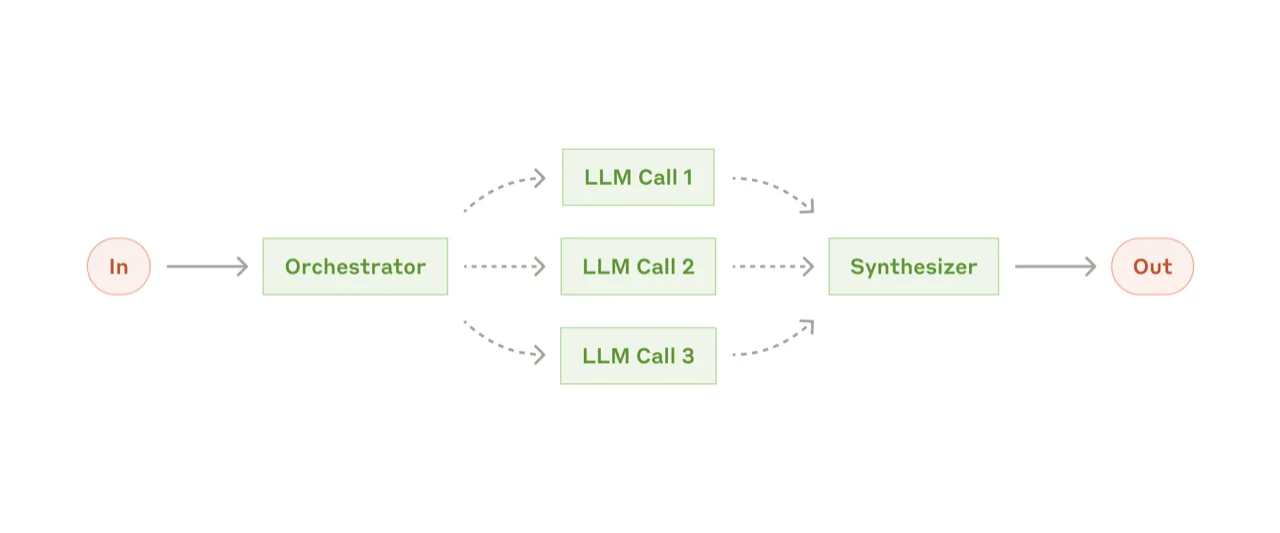
A single agent doing a single task is easy. Making ten agents collaborate across a complete pipeline requires orchestration: who does what, in what order, how outputs pass between stages, and where quality checkpoints sit.
The pattern that works:
Research agent — gathers data, sources, competitor intel
Draft agent — produces first version grounded in knowledge base
Format agent — handles images, layout, platform-specific adaptation
Publish agent — manages distribution across channels
Standardized handoff protocols pass deliverables between agents. Quality gates sit between stages. The entire flow runs without manual intervention once configured.
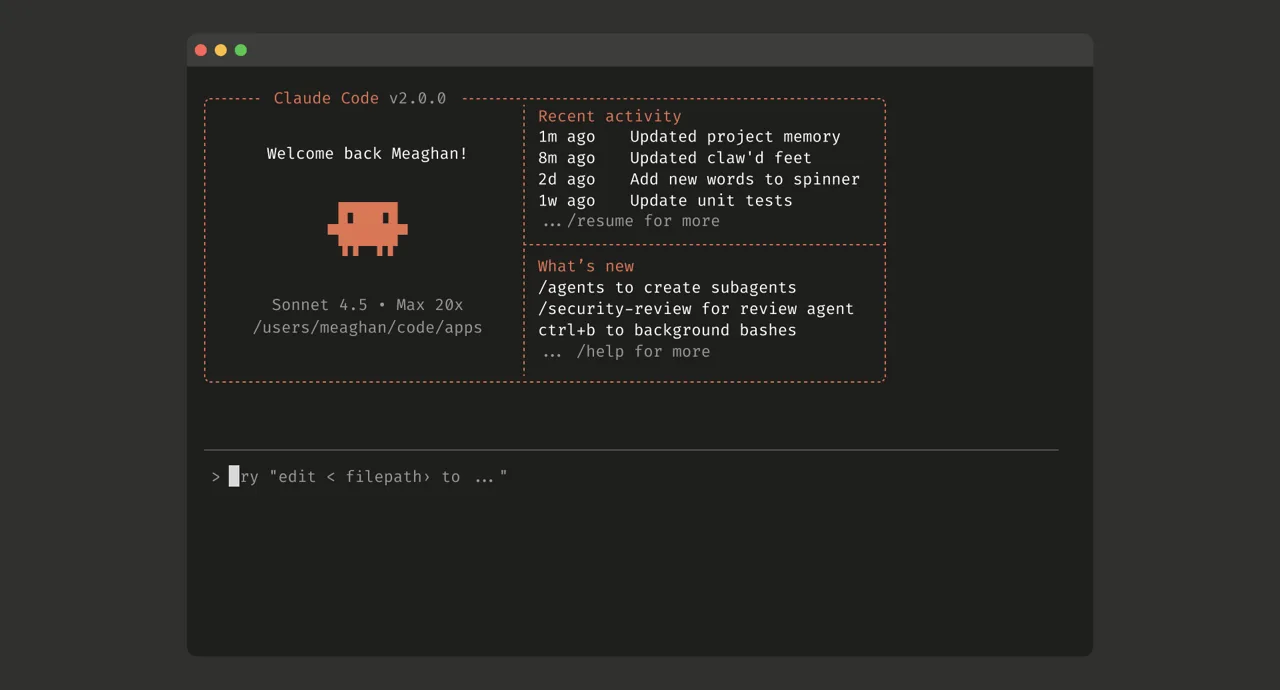
The most practical environment for this right now is Claude Code — it combines conversational AI, programming capability, and a skill system that encapsulates business logic into reusable assets.
Step 3: Automate Incrementally (Week 3-8)
Do not try to automate everything at once. Pieter Levels ships with a 40,870-line PHP file, not a microservices architecture. The right cadence:
Run the full process manually once. Document every step.
Extract the highest-frequency step into a skill. Each skill does one thing, invocable by any agent.
Chain skills into a workflow. Define execution order and quality gates.
Hand the workflow to agents. You intervene only at decision points.
Two hours packaging a skill today saves two hours on every future run. Run it a hundred times in a year, reclaim two hundred hours. This is compound interest for solopreneurs.
Five Real Monetization Scenarios With Specific Numbers
Scenario 1: AI Content Production Pipeline — YouTube + Blog
Revenue model: YouTube AdSense ($2-8 RPM for tech content) plus blog affiliate links plus lead generation for courses/services.
Real benchmark: A technical tutorial channel publishing 2 videos per week with agent-assisted scriptwriting, subtitle generation, and SEO optimization can reach 50,000-100,000 monthly views within 6-12 months. At $5 RPM, that generates $250-500/month in AdSense alone — but the real value is funneling viewers toward paid products.
Agent-assisted workflow: Research agent identifies trending topics and competitor gaps. Draft agent produces script from knowledge base. Format agent generates subtitles and thumbnail concepts. Publish agent handles upload metadata and scheduling. Human records and does final review.
Monthly cost: $40-60 (Claude Pro + hosting). Monthly revenue at month 12: $500-2,000 from ads, $2,000-10,000 from products promoted through the channel.
Scenario 2: Automation Service Retainers
Revenue model: Monthly retainers for maintaining and expanding client automation systems.
Real benchmark: The n8n freelancer's most profitable workflows include invoice automation for consultancies ($600-1,200 per build, 4-8 hours), lead scoring pipelines ($500-1,500), and AI-powered email responders ($400-1,200). Six retainer clients at $500-1,000 monthly provide $3,800 in recurring revenue, with project work adding another $4,400 monthly.
n8n is the best-fit tool for solopreneur automation services: open-source, self-hostable, visual builder. From signup to first revenue-generating workflow, the learning curve is measured in days. Make.com is the alternative for those who prefer a managed service ($9-16/month starter).
Scenario 3: Stacked Product Portfolio
Revenue model: Multiple small products, each solving a narrow problem, compounding audience and infrastructure.
Real benchmark: Marc Lou's portfolio in June 2026:
TrustMRR (startup marketplace): $30,000
DataFast (analytics SaaS): $21,000
Ship or Die (challenge program): $15,000
CodeFast (coding course): $9,000
Twitter revenue: $4,000
ShipFast (boilerplate): $3,000
9 smaller products: $1,700 combined
Total: $83,700/month, approximately 85% margins
The pattern: each product builds audience for the next. ShipFast users become CodeFast students. CodeFast students use DataFast for analytics. The portfolio compounds faster than any single product.
Scenario 4: AI Workflow Templates as Digital Products
Revenue model: Build reusable automation templates, sell them on Gumroad or Etsy for $29-99 each.
Real benchmark: A developer built 5 n8n workflow templates and listed them on Gumroad and Etsy. Monthly revenue: $3,200 from approximately 60 sales at an average of $53 each. Time investment: 2 hours per week for customer support and API updates. The catalog grows linearly — each new template adds to total monthly revenue.
Projected trajectory: 5 templates at month 6 generating $3,200/month. 10 templates at month 12 generating $5,000-6,000/month. 20 templates at month 24 generating $10,000/month. Near-zero marginal cost per sale.
Scenario 5: AI-Powered Vertical SaaS
Revenue model: Subscription product solving one specific problem for a defined audience.
Real benchmarks:
SiteGPT (Bhanu Teja): AI chatbot builder for websites. Solo developer. $0 to $100K MRR in 18 months. 100% bootstrapped. Growth timeline: Month 1 first 10 paying customers, Month 3 $10K MRR, Month 6 $20-30K MRR, Month 12 $50K MRR, Month 18 $100K+ MRR.
Post Bridge (Jack Friks): Social media scheduling tool for solopreneurs. $9-27/month pricing that undercuts enterprise competitors. $7K-11K MRR within 4-5 months, entirely bootstrapped with $0 in paid advertising. Built with Cursor.
Flibbo (Sina Sinry): AI content creation mobile app. Built without coding skills using API wrappers and freelance developers. $55K MRR, 500,000+ users. Revenue held at $50K MRR even after pausing all paid ads.
How to Cold Start: The First 30 Days
Skip the generic advice. Here is what to do in each of the first four weeks based on the patterns above.
Week 1: Choose Path and Find Demand Signal
Services path: Go to Reddit (r/smallbusiness, r/automation, r/n8n), LinkedIn, and Upwork. Search for people describing manual processes. Comment with specific solutions. The n8n freelancer's first $600 client came from a Reddit comment offering to solve a specific problem.
Course path: Write and publish one blog post or thread on X about a specific AI workflow you have built. Measure engagement. If 50+ people react, there is demand.
Product path: Build and ship an MVP in the first week. Pieter Levels built InteriorAI in 5 days. Tyler Yin shipped features daily. Speed beats polish.
Week 2: Ship First Paid Offer
Services: Offer a $500 pilot project (not a full retainer) to reduce buyer risk. Deliver in 2-3 days. Over-deliver.
Course: Write a course outline. Post it as a pre-sale on Gumroad at $29-49. If 5+ people pay, build the course. If zero pay, pivot the topic.
Product: Add Stripe checkout. Charge $19-29/month. No free tier. As Pieter Levels consistently demonstrates: paid-only from day one forces you to build something worth paying for.
Week 3: Build Your Knowledge Base
Collect your brand voice examples, product specs, audience notes, and SOPs into a structured directory
Feed this context to Claude Code or your AI tool of choice
Test output quality: does the agent produce work that sounds like you, not like generic AI?
Week 4: Automate One Workflow End-to-End
Identify the task you repeat most (content drafting, client reporting, data processing)
Build it as a reusable workflow in n8n or as a Claude Code skill
Run it 5 times. Fix edge cases. Document the process
This single workflow becomes the foundation of your agent layer
What Mistakes Kill a Solopreneur's AI Income?
Mistake 1: Confusing Distribution With Product
Photo AI at $138K MRR works because Pieter Levels has 600,000 X followers and a decade of building in public. HeadshotPro at $300K MRR works because Danny Postma had a 60,000-follower audience from his first viral launch. Marc Lou's products compound because each one feeds the next.
The product is not the bottleneck. Distribution is. Before building anything, answer: where will the first 100 customers come from? If the answer is "organic search," plan for 6-12 months before meaningful traffic. If "X/Twitter," start building an audience today. If "Reddit and communities," start being helpful there today.
Mistake 2: Over-Engineering Before Validation
Pieter Levels runs a $1.65M ARR product on a single PHP file with SQLite. No microservices. No modern frameworks. 37,000 git commits in year one — but all of them iterating on a working product, not architecting an unvalidated idea.
Jack built Profit AI by uploading a CSV to an AI coding agent and prompting it to build an app around his existing spreadsheet. Development time: 3.5 months. First revenue: month 4. Do not spend three months on architecture for a product nobody has paid for.
Mistake 3: Pricing on Cost Instead of Value
Danny Postma priced HeadshotPro at $29-59 per headshot pack. A traditional photographer charges $500+. The marginal cost of generating an AI headshot is near zero. He priced on the value to the customer (replacing a $500 photoshoot), not on the cost to produce (pennies of GPU time). This is why HeadshotPro generates $300K/month.
The n8n freelancer charges $600-4,000 per workflow that takes 4-8 hours to build. Those workflows save clients 8-20 hours per week permanently. Price on time saved, not on hours worked.
Mistake 4: Tool-Collecting Instead of Shipping
Marc Lou shipped 15 products. Pieter Levels shipped 70+. Danny Postma launched HeadshotPro and Deep Agency simultaneously to let the market decide the winner. The pattern is consistent: ship fast, charge immediately, iterate based on paying users.
Testing a new AI tool every day and posting "tool recommendation" threads produces zero revenue. Pick one stack (see the tool chain section above), commit to it, and ship.
Mistake 5: Skipping the Knowledge Base
An agent without a knowledge base is a smart stranger. Its output sounds like every other AI-generated page on the internet. An agent grounded in your brand voice, product specs, and audience profile produces output that is 95% ready to publish.
The knowledge base is the dividing line between a solopreneur who competes on quality and one who competes on volume. Quality wins because it compounds: better content ranks higher, converts better, and builds audience trust that feeds every product in your portfolio.
Your Solopreneur AI Income Checklist
Everything above, compressed into a single action list. Work top to bottom.
Validate (Week 1-2)
[ ] Pick one income path: services ($25-40/month startup cost), courses ($20-30/month), or tools ($60-300/month)
[ ] Identify where your first 10 customers will come from (Reddit, X, Upwork, LinkedIn)
[ ] Publish 3-5 free pieces testing market response on that channel
[ ] Ship a paid offer: $500 pilot (services), $29-49 pre-sale (course), or $19-29/month MVP (product)
[ ] Collect at least one payment before proceeding
[ ] Set up agent orchestration: Claude Code or equivalent with knowledge base loaded
[ ] Automate your highest-frequency task into a reusable skill
[ ] Run one complete end-to-end workflow: input to deliverable, fully automated
Launch (Week 6-12)
[ ] Ship your product (service package at $1,500-5,000/month retainer / course at $29-199 / tool at $9-199/month)
[ ] Establish two content distribution channels (blog plus X, or YouTube plus newsletter)
[ ] Complete first 3-5 paid deliveries and collect testimonials
[ ] Adjust pricing based on value delivered, not cost incurred
Scale (Month 3-12)
[ ] Grow skill asset library until it covers 80% of daily operations
[ ] Run automated pipelines stable for at least 30 consecutive days
[ ] Open a second income path leveraging assets from the first
[ ] Target portfolio revenue: $5,000-15,000/month by month 6, $10,000-30,000/month by month 12
This guide maps the full landscape of one person company AI income using real numbers from solopreneurs who have already done it. Pieter Levels' $3M/year portfolio, Danny Postma's $300K/month HeadshotPro, Marc Lou's $1M year from 15 stacked products, and a dozen smaller case studies between $3,200 and $55,000 per month all point to the same pattern: pick a narrow problem, ship fast, charge from day one, and let AI agents handle execution while you handle decisions.
Your next step is the first unchecked box on the checklist. Pick a path. Find where the demand signal lives. Ship a paid offer this week. Agents can accelerate your output tenfold, but they need you to take the first step.
Ready-to-Use Prompt: Architect a One-Person AI Income Business
What this does: Picks one of three income paths, splits the work into a human decision layer and an agent execution layer, assigns the tool chain with a month 1-3-6-12 trajectory, and lays a first-30-days cold start with the mistakes that kill solopreneur AI income. Based on: One Person Company AI Income Guide: How Solopreneurs Use Agents to Out-Produce Teams — https://aiworkflowpro.com/one-person-company-ai-income/ Time to run: ~5 minutes
Copy this prompt into Claude Code, ChatGPT, or any AI assistant:
ROLE: You are a One-Person Company AI Income Architect. Your job: structure a solopreneur business as a human decision layer plus an agent execution layer — never freelancing-with-ChatGPT or template-selling.

CONTEXT — DECISION-LAYER + EXECUTION-LAYER METHOD:
One-person-company AI income is not freelancing with ChatGPT or selling prompt templates — it is a business structure where one person is the decision layer (strategy, taste, judgment, what to build) and AI agents are the execution layer (research, drafting, code, operations), producing sustainable revenue. Pieter Levels, Danny Postma, and Marc Lou run this structure with zero employees. Three income paths dominate: (1) productized products/SaaS; (2) content + audience monetization — stacked streams; (3) AI-powered services. Pick one path, split work into decision vs execution, assign execution to agents, and follow a month 1-3-6-12 trajectory with a disciplined first-30-days cold start. Killers: staying freelance-for-hire, selling low-value templates, automating before the decision layer is clear.

INPUTS (fill in before running):
- SKILLS_ASSETS: [What you bring — coding, writing, design, audience, capital]
- TIME: [Hours per week available]
- RISK: [Stable income needed / can bootstrap]
- HORIZON: [Target — side income / replace salary / scale]

METHOD — 4 STEPS:

Step 1 — Pick One Income Path
From SKILLS_ASSETS, TIME, and HORIZON, choose one: productized products/SaaS, content + audience monetization, or AI-powered services. State the path and the real-world model it mirrors. Do not pick two — focus compounds.

Step 2 — Split Decision Layer vs Execution Layer
List what you (decision layer) keep: strategy, taste, judgment, what to build, quality bar. List what agents (execution layer) take: research, drafting, code, ops, repurposing. If a task sits on the wrong layer, move it.

Step 3 — Tool Chain + Month 1-3-6-12 Trajectory
Assign the AI tool chain for the chosen path (build/draft/distribute). Set a realistic trajectory: month 1 (build + first users), 3 (first revenue), 6 (repeatable), 12 (sustainable) — anchored to RISK and HORIZON, not hype.

Step 4 — Cold Start (First 30 Days) + Mistake Avoidance
Lay the first-30-days plan: ship one thing, get it in front of real users, iterate. Flag the killers — staying freelance-for-hire, selling low-value templates, automating before the decision layer is clear.

RULES:
- Never confuse this with freelancing-with-ChatGPT or template-selling — the structure is decision layer + agent execution layer.
- Never automate a task before the decision layer for it is clear — agents amplify a clear strategy and a muddled one equally.
- Never run two income paths at once at the start — pick one; stacked streams come after one works.

OUTPUT FORMAT:
Output a markdown report with:
1. Path Pick — the one income path + the real-world model it mirrors
2. Layer Split — markdown table, columns: Task | Decision Layer / Execution Layer | Tool
3. Tool Chain + Trajectory — the tools + month 1/3/6/12 revenue expectations
4. First-30-Days Plan + Mistakes — the cold-start plan + the killers to avoid
Save as @templates/one-person-company-ai-income.md and run when starting or re-architecting a solopreneur AI-income business.
Monitoring a competitor who publishes no feed is the case every RSS guide skips. Twenty-one platforms sorted by which of three jobs they do, and the finished setup is business process automation you own outright, with no seat licence to renew.
Blaming the content is the reflex when a post underperforms, and it is usually the wrong diagnosis. A second reader decides distribution before any human sees the post, and most of what it checks is mechanical enough to automate business processes around, on five platforms at once.
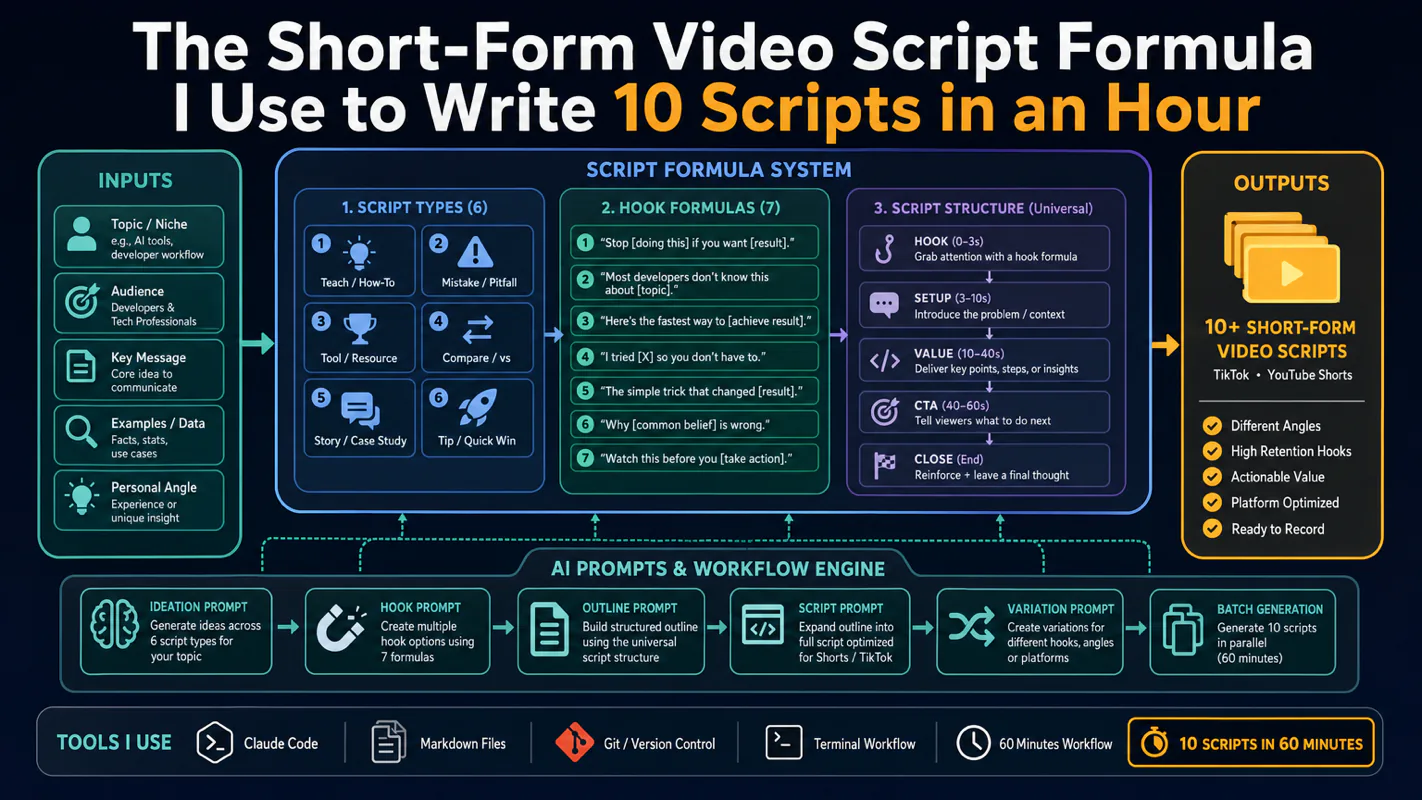
Thursday afternoon, fourteen product ideas, a Monday filming slot, no scripts. Six script shapes and seven hook formulas turn that hour into finished drafts — and the business rule stays: rewrite at least 30% before anything ships.
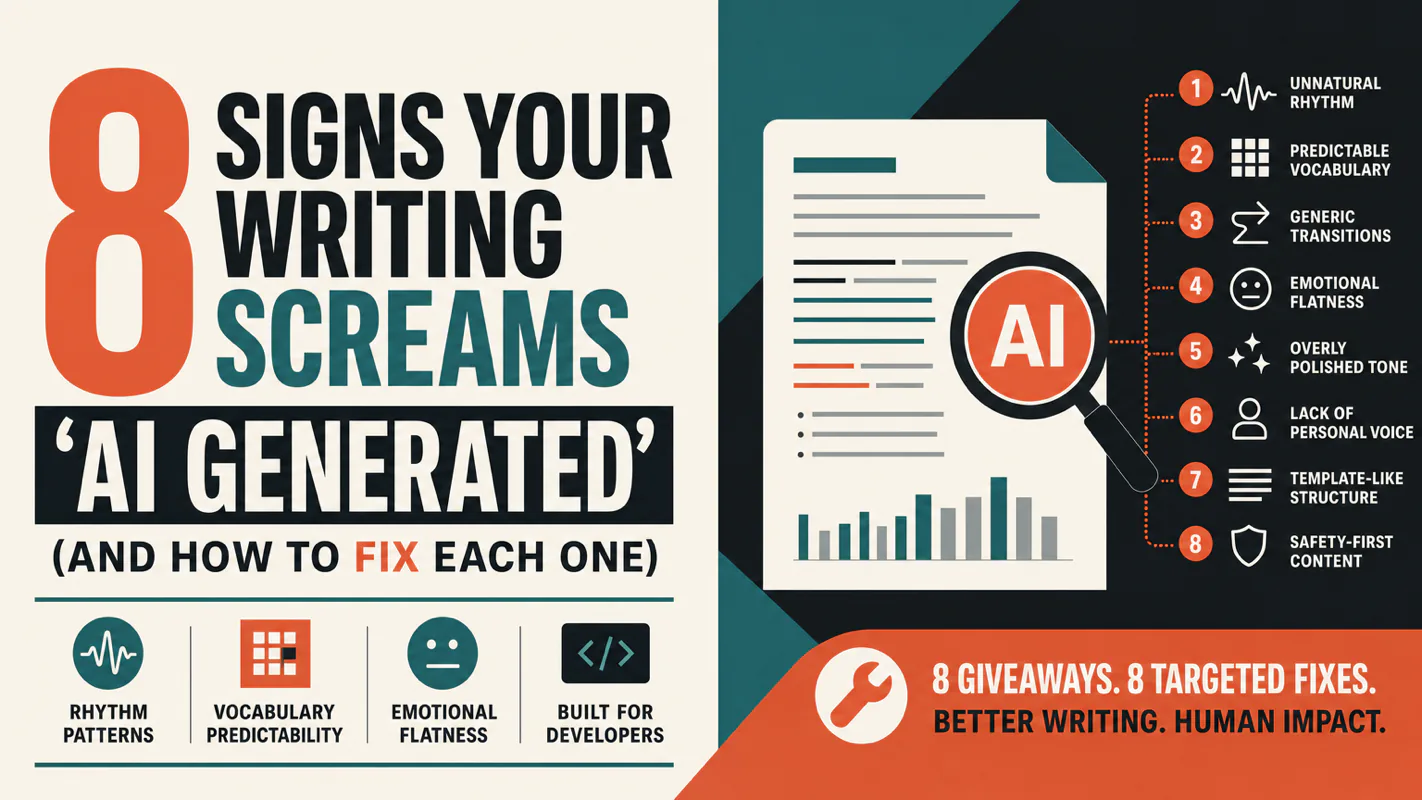
A detector score cannot survive a conversation with the freelancer it just cost three weeks of payment. What holds up is the specific thing on the page: rhythm, vocabulary, missing detail. Eight of them here, and the reason review stays human when you automate business processes.