I Let Claude Code Control My Logged-In Chrome (Setup Guide)
A beginner's guide to letting your AI agent work in your own logged-in Chrome with free Chrome Use: four setup steps, all 8 prompts, and the honest account risks.
A beginner's guide to letting your AI agent work in your own logged-in Chrome with free Chrome Use: four setup steps, all 8 prompts, and the honest account risks.

A 30-minute video is too long for one conversation. This guide walks the 8-step Skill that locks the narration and one look, then gives each 3-minute segment to a fresh sub-agent, five at a time, and polishes the cut in an empty-context session.
The folder structure behind my AI agent team, the Herdr setup where Grok Build, Claude Code and Kimi Code work side by side, and the two live tasks from the video: an article published by voice and a three-model front-end test.
Running a one-person company with AI

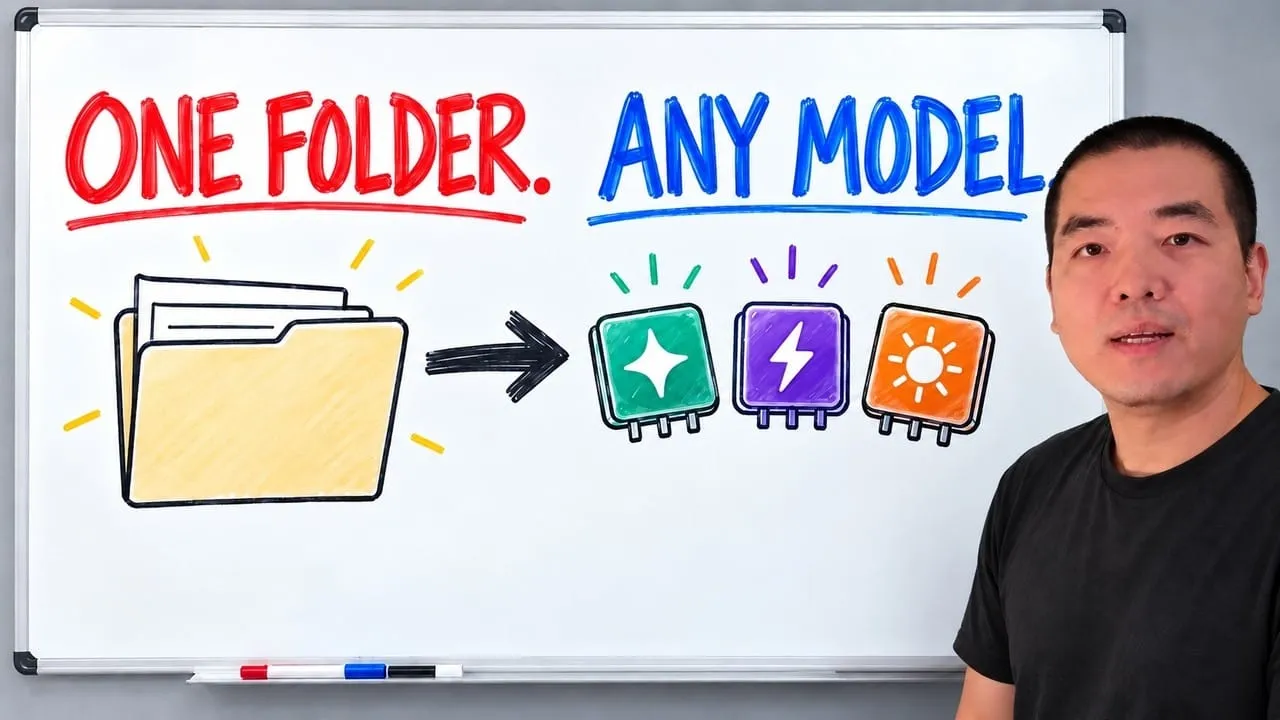
The folder structure behind my AI agent team, the Herdr setup where Grok Build, Claude Code and Kimi Code work side by side, and the two live tasks from the video: an article published by voice and a three-model front-end test.

Nobody sold anything. A community member built a small tool for himself, posted it, and had paying users within days. The thousand-true-fans math, why trust outruns traffic, and three ai for small business paths you can start this weekend.
Passive income advice never names which revenue line keeps running when you stop. This one does: the structural difference between a business that survives your absence and one that does not, the tool stacks behind each, and an honest month-by-month ramp for a one-person small business.

Everyone ranks the tools. Nobody tells you how to check the work. Four kinds of check, three copy-paste checklists, and the part a checklist can't catch.

AI for small business is easy in month one and awkward in year two. Here is the folder, the rerun checklist, and the delete list.
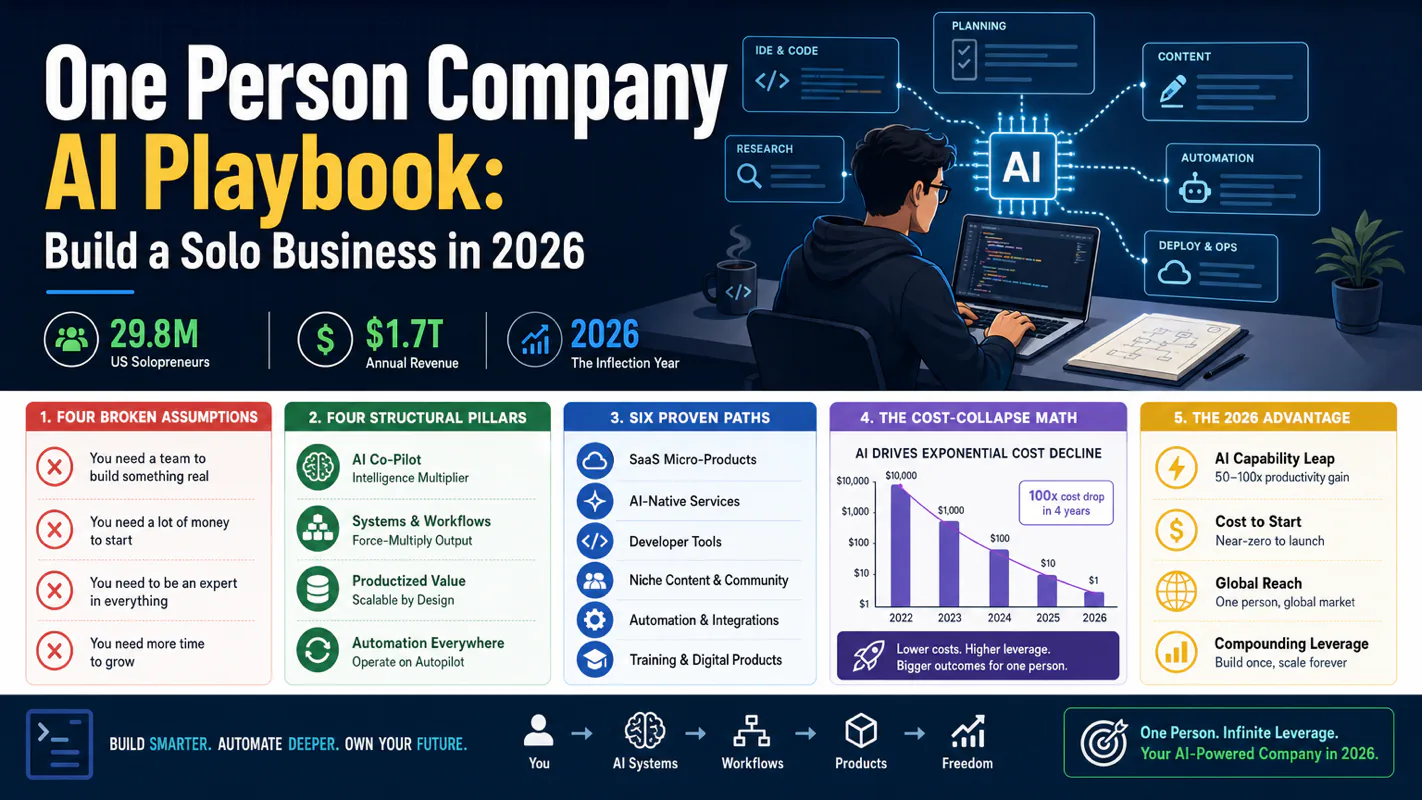
A one-person company powered by AI is no longer a thought experiment: 29.8 million US solo firms generate $1.7 trillion. This playbook covers the four assumptions that broke, the four pillars a durable small business runs on, six proven paths, and the cost math behind 2026.
The interesting part is not that ten agents can run. It is the org chart — who owns what, who reports to whom, and which handoffs still need a person standing in the middle.
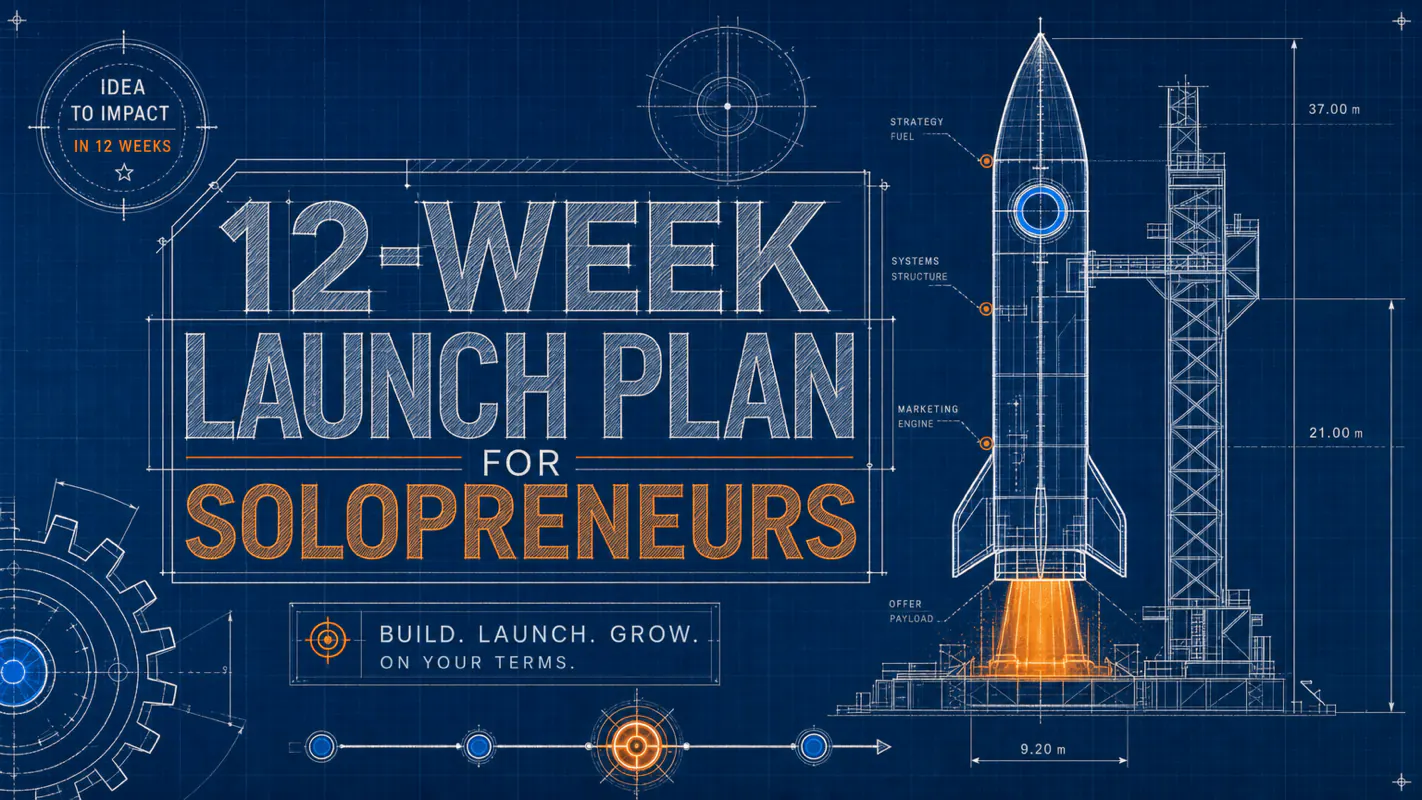
Twelve weeks is enough to validate a direction, publish consistently, test an offer, and install a first AI toolchain for a small business, but only in this order. Positioning first, brand second, content third, offer fourth, systems last, with weekly milestones and a real decision at week 12.
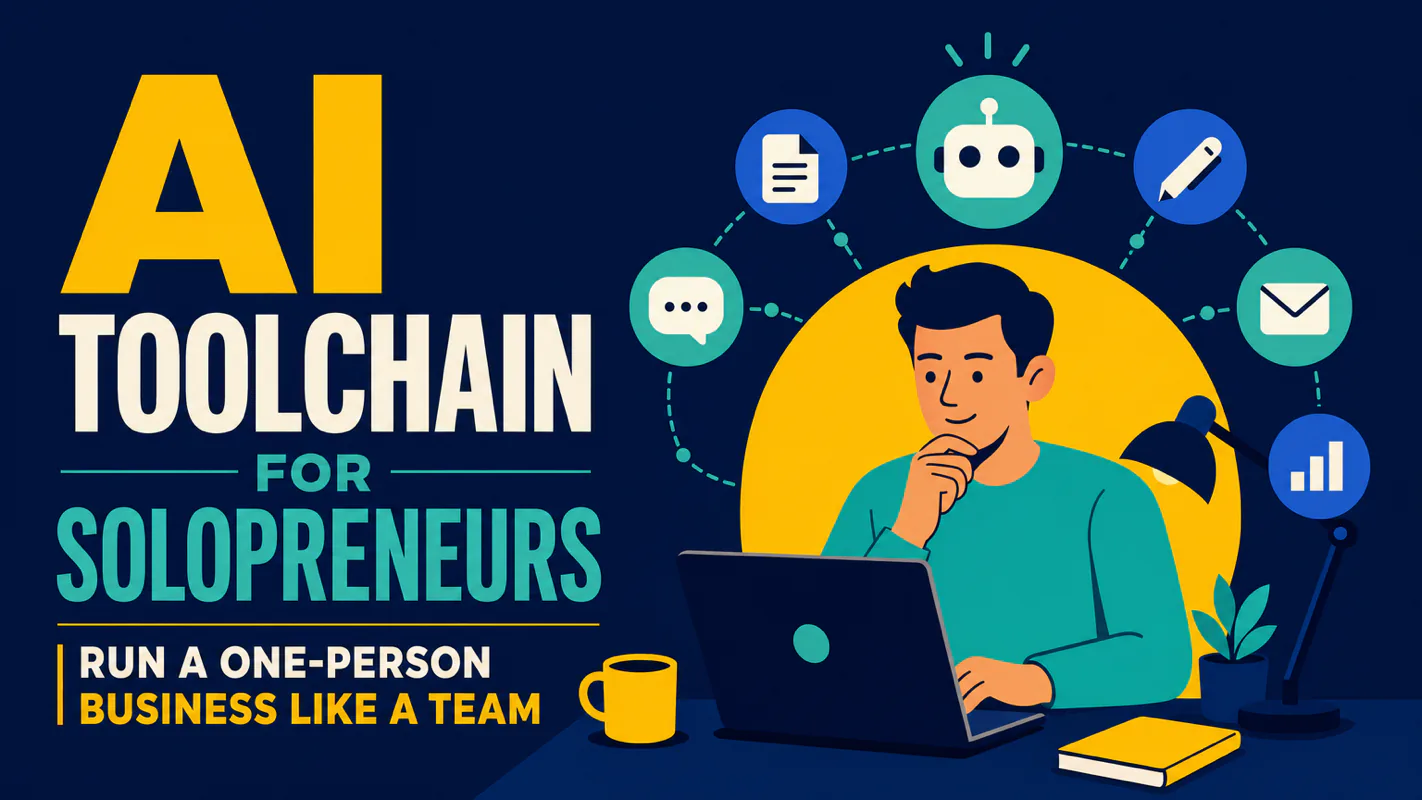
Buying tools feels like building a business, right up until the month you realise nothing got shipped. The five layers decide what you actually need — and in which order.

You do not need a million followers. You need enough people who trust you, hear from you often, and buy when the fit is right. Four acquisition routes in a specific order, plus the 100-rep rule that tells a failed channel from one you quit early, which most ai for small business playbooks omit.
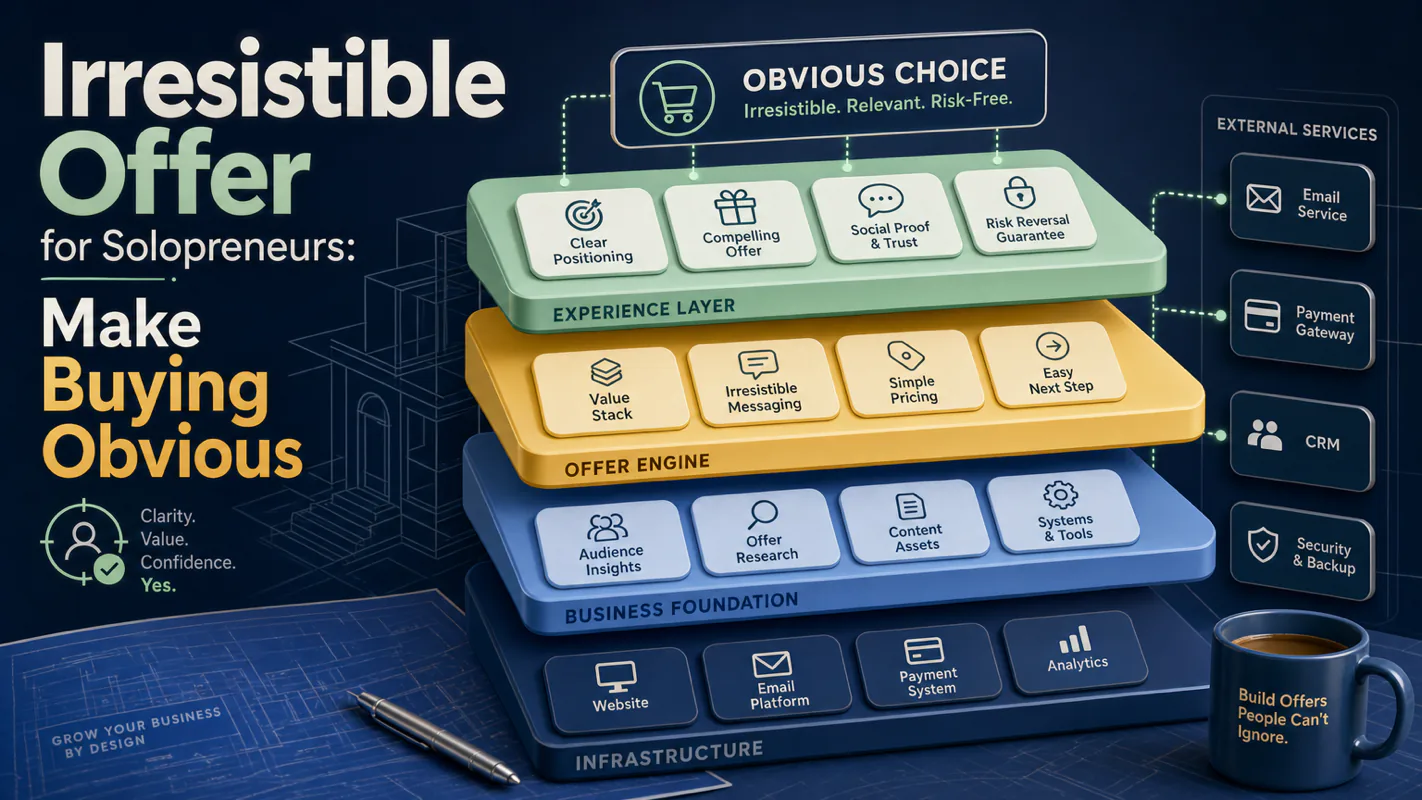
A better product does not automatically sell, and a discount usually sets a number you cannot walk back. A better offer makes the outcome clearer, the risk lower, the wait shorter, and the buyer's own work smaller. That is what this guide builds for a one-person small business, lever by lever.
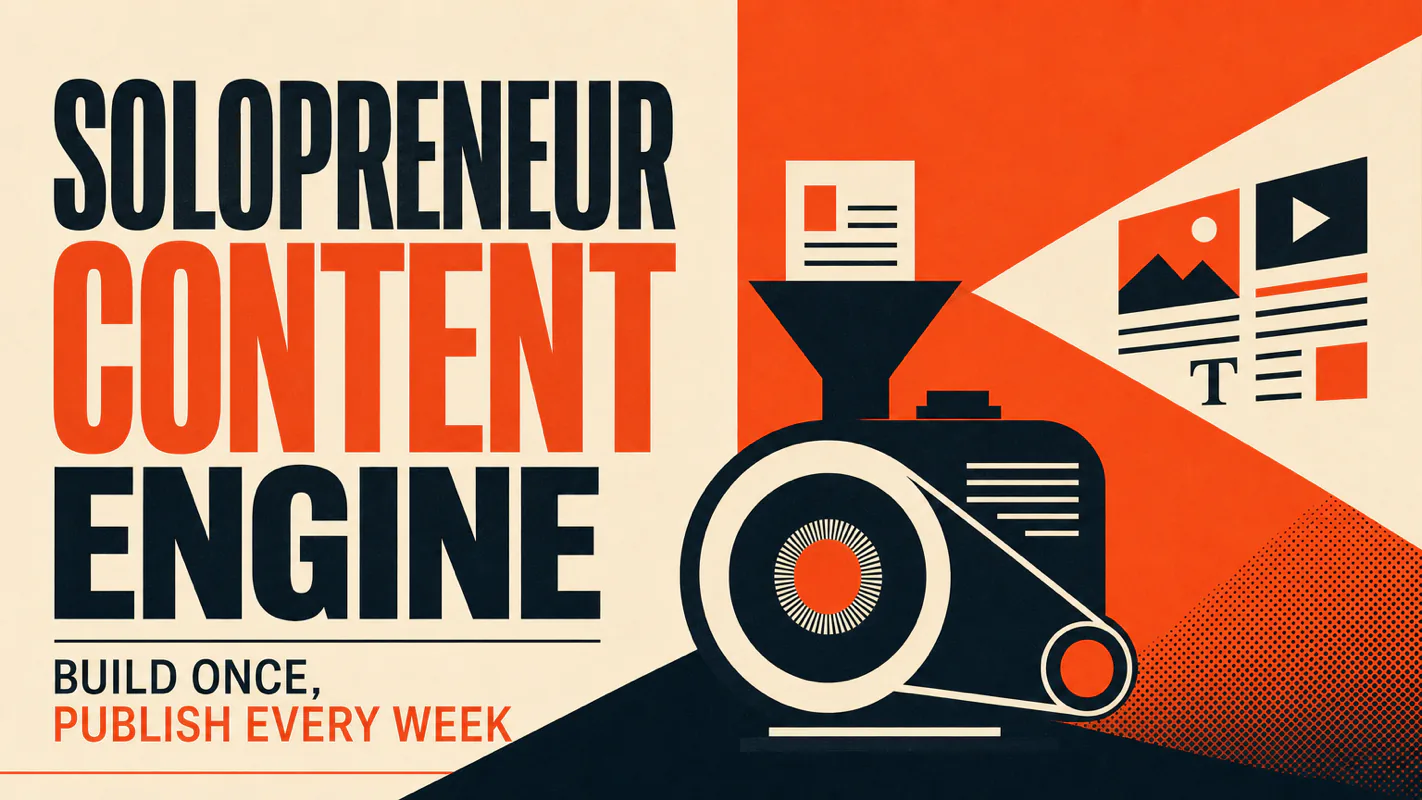
A content engine is not a posting habit. It is the part of a small business that does qualification before the first call: pick one narrow angle, build one base people can subscribe to, turn one core idea into many useful formats, and measure subscribers instead of applause.
When I figure out how to get something real done with AI, you get the write-up — every step, including the parts that didn't work.