I Let Claude Code Control My Logged-In Chrome (Setup Guide)
A beginner's guide to letting your AI agent work in your own logged-in Chrome with free Chrome Use: four setup steps, all 8 prompts, and the honest account risks.
A beginner's guide to letting your AI agent work in your own logged-in Chrome with free Chrome Use: four setup steps, all 8 prompts, and the honest account risks.

A 30-minute video is too long for one conversation. This guide walks the 8-step Skill that locks the narration and one look, then gives each 3-minute segment to a fresh sub-agent, five at a time, and polishes the cut in an empty-context session.
The folder structure behind my AI agent team, the Herdr setup where Grok Build, Claude Code and Kimi Code work side by side, and the two live tasks from the video: an article published by voice and a three-model front-end test.
Build software with AI: Claude Code, Codex and friends, plus vibe coding for non-coders

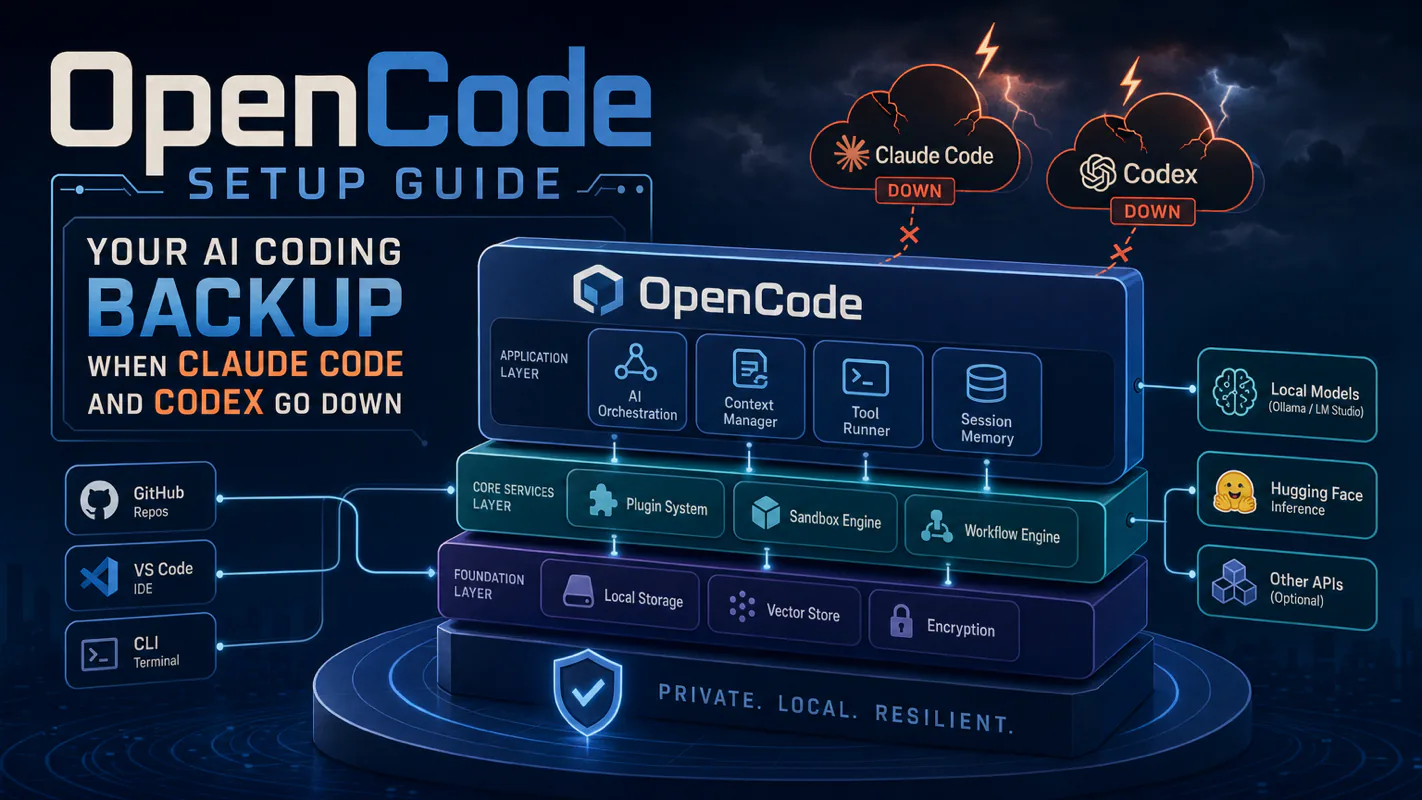
Two vendor-locked tools is not redundancy, it is two eggs in one basket, as a single morning of simultaneous lockouts proved. Install OpenCode as a third path: two install routes, per-task model routing that also cuts cost, five settings to configure first.
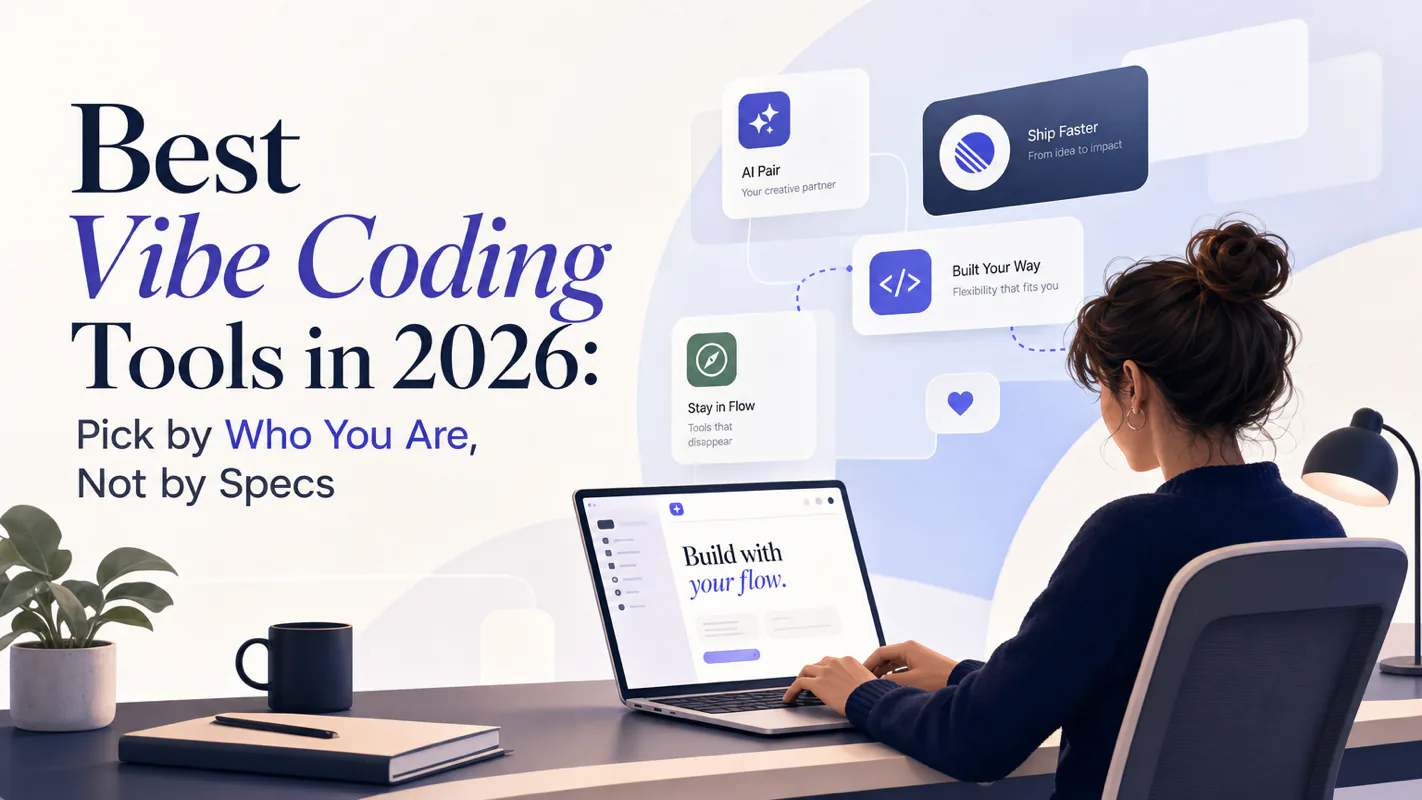
The evaluation outlasts the project more often than a wrong pick sinks it — three weeks comparing, nothing built. Skip the spec sheets and match the tool to who you are in under ten minutes: five profiles, three deep reviews, six dimensions that matter when picking AI for business tools.
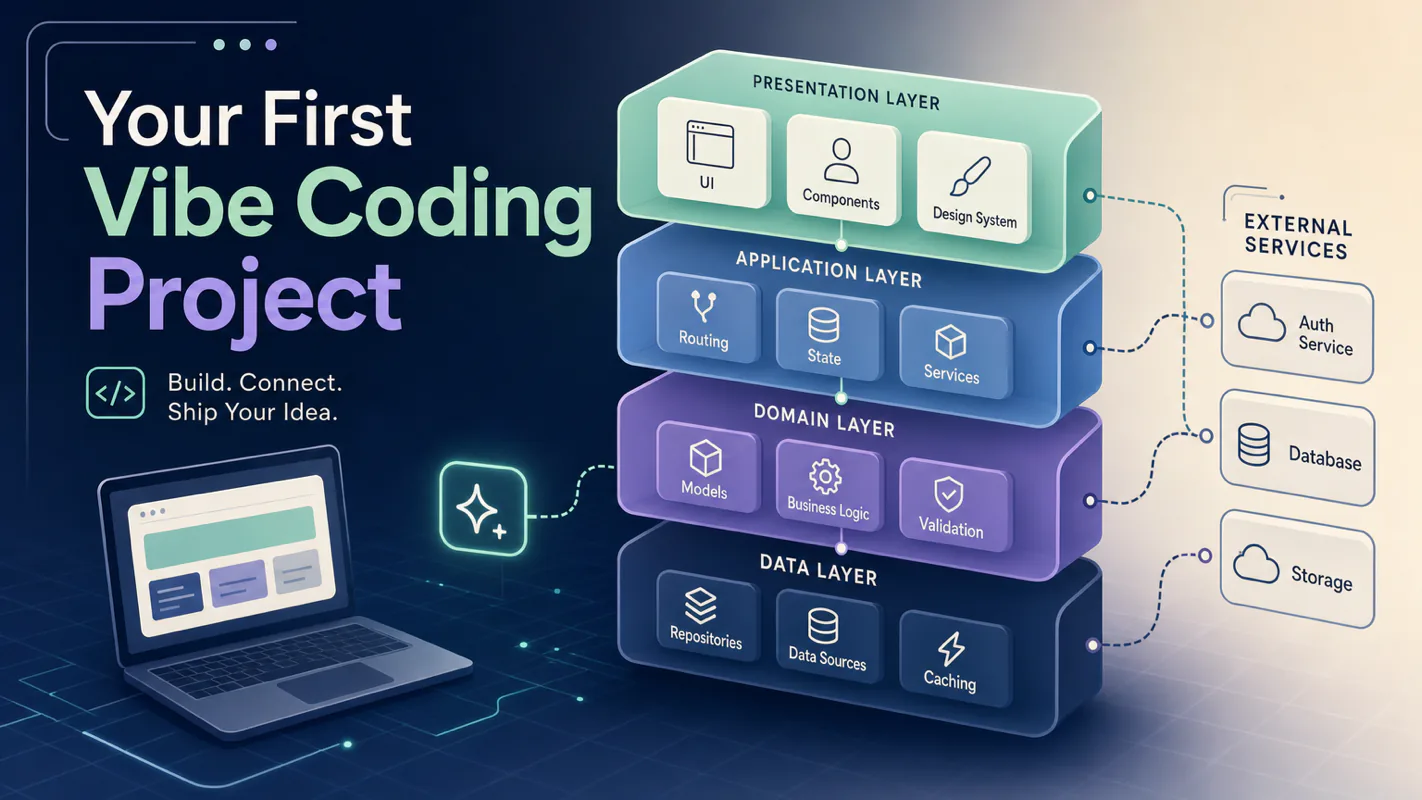
Aiming too high kills a first project in minutes; aiming vaguely kills it in three rounds. Most ai automation tools lose beginners at those two decisions, not at installation, so the brief gets most of this tutorial and the walkthrough gets the rest.
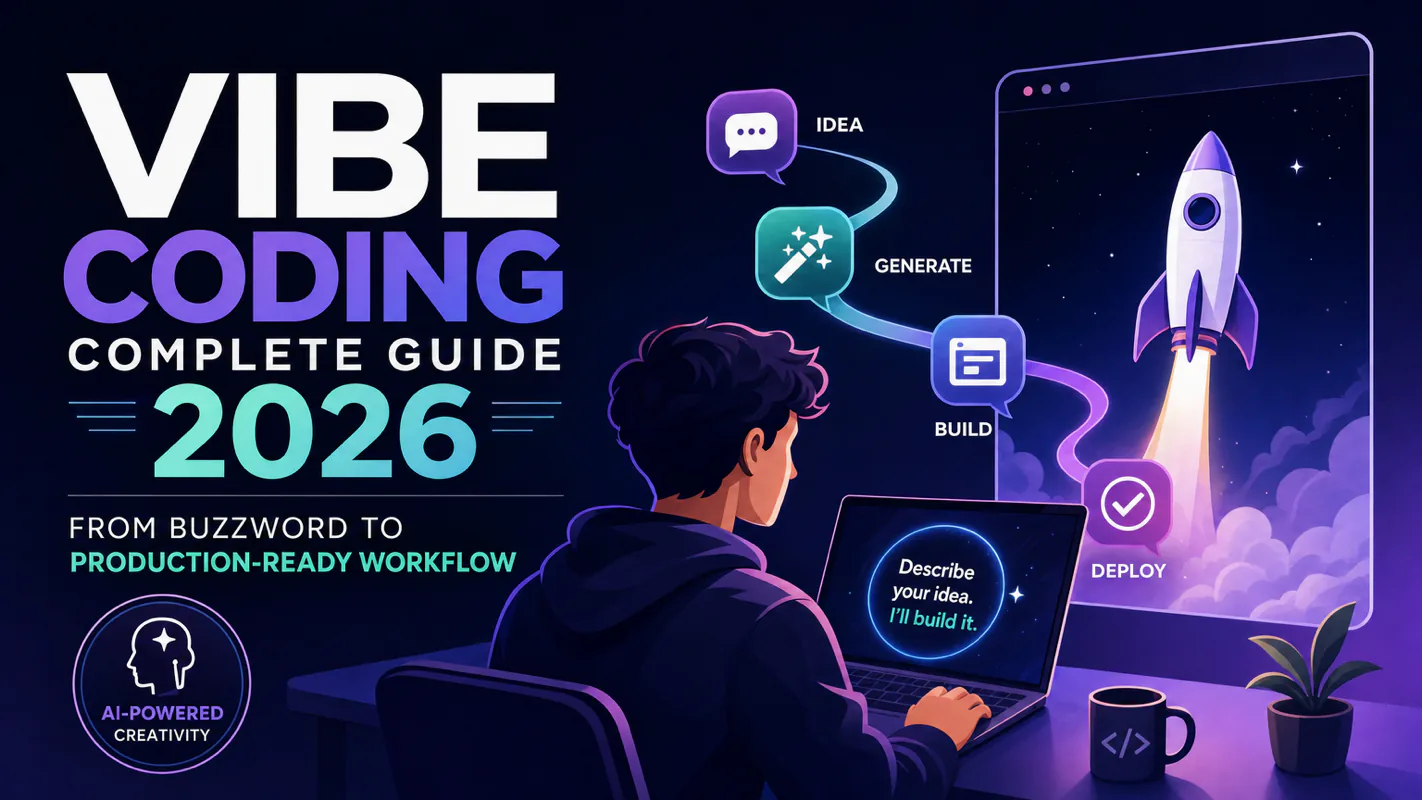
A dictionary made it 2025's Word of the Year. Its inventor had already stopped practicing it. That gap is the story of vibe coding, and the reason 98% of vibe-coded apps ship a security flaw. The definition, four generations, tool picks, and where AI for business goes after it.
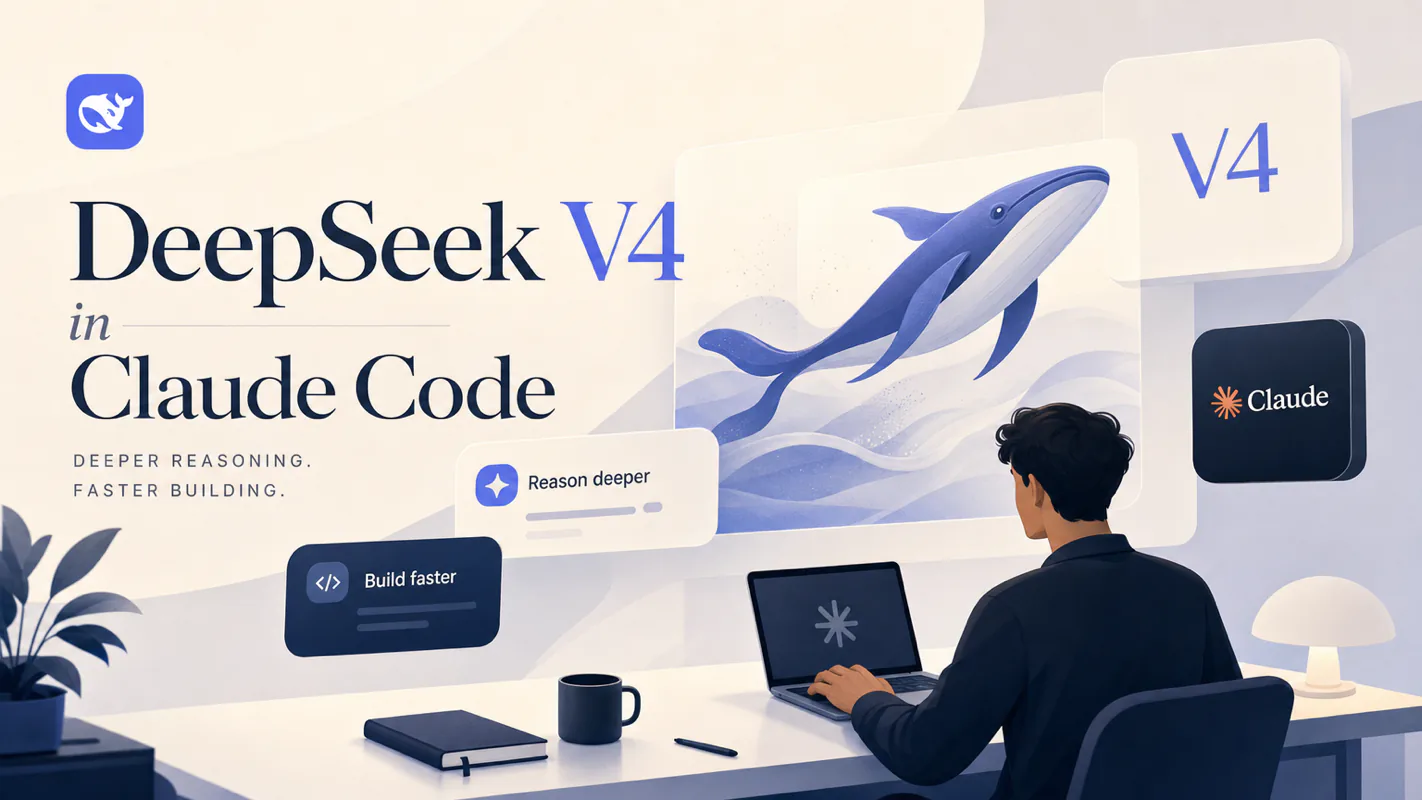
Four environment variables put DeepSeek V4 inside Claude Code. One unattended run, about $3, and back came 15 files plus 532 lines of Python that ran - alongside the failures that repeat every time. A tier-drop decision for your AI assistant for business, made on evidence.
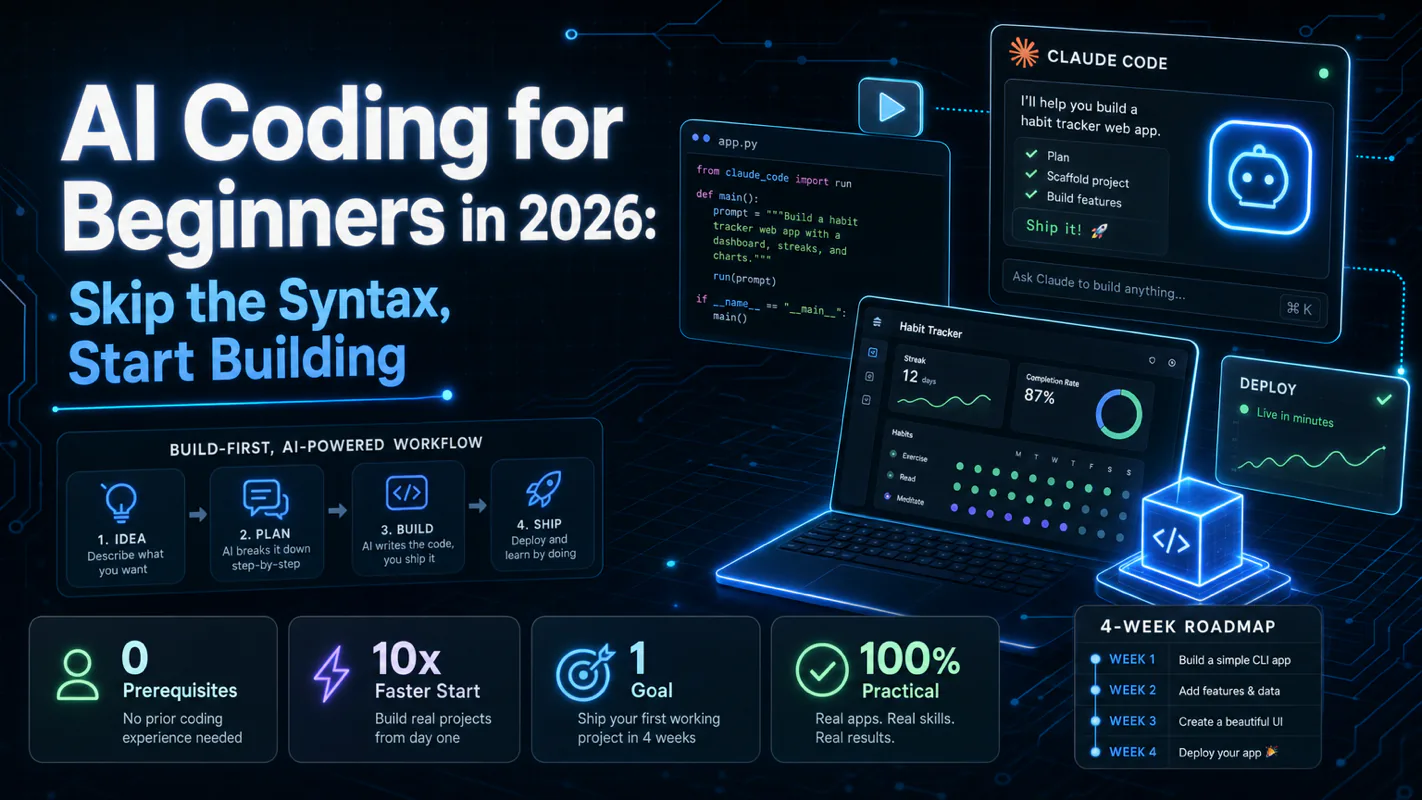
A four-thousand-dollar quote for a two-hour tool is why small internal fixes never get built. Build-first beats syntax-first for ai for small business owners: a working thing in week one, then learn only the parts you touched.
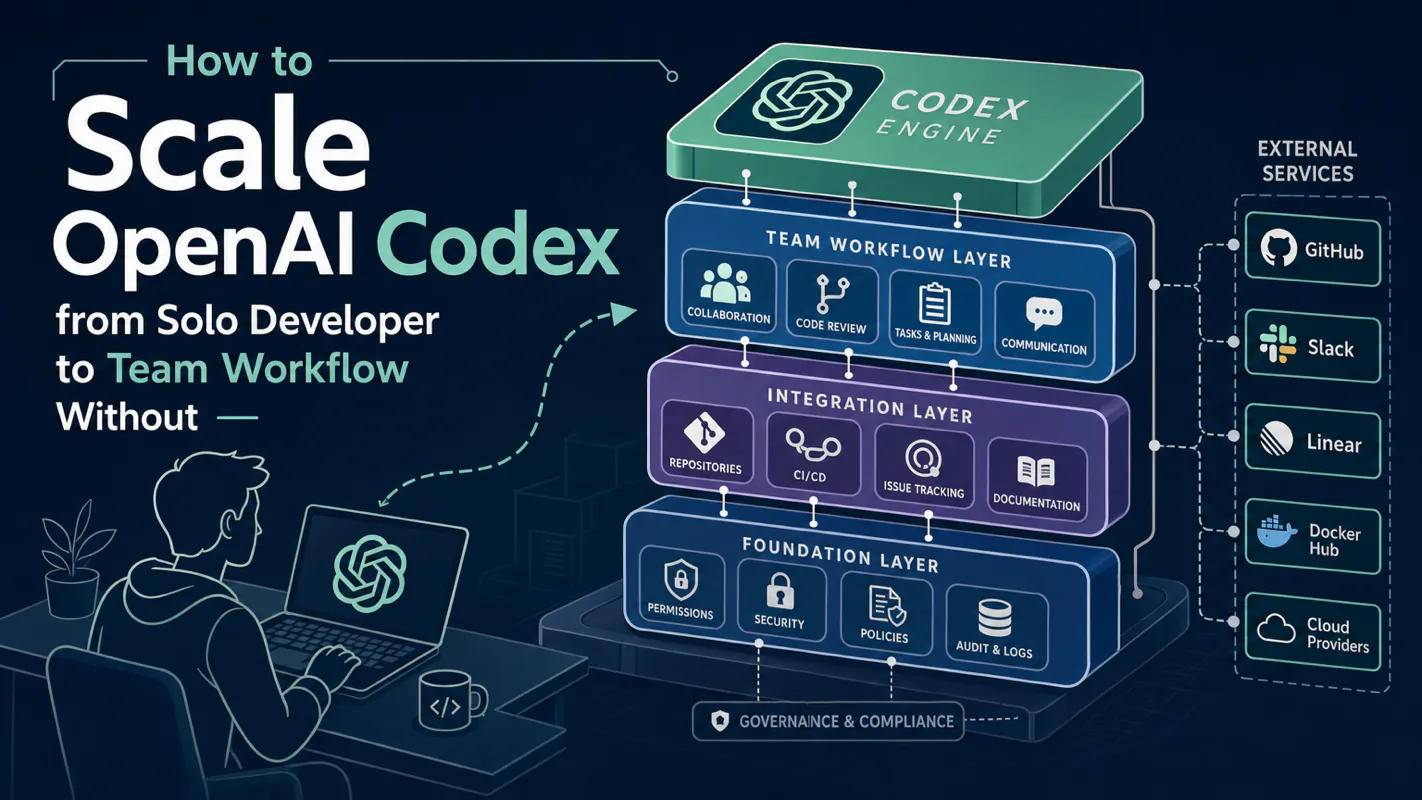
Nothing about the tooling changed. What changed is that the conventions living in one person's head now have to live somewhere three people can reach.
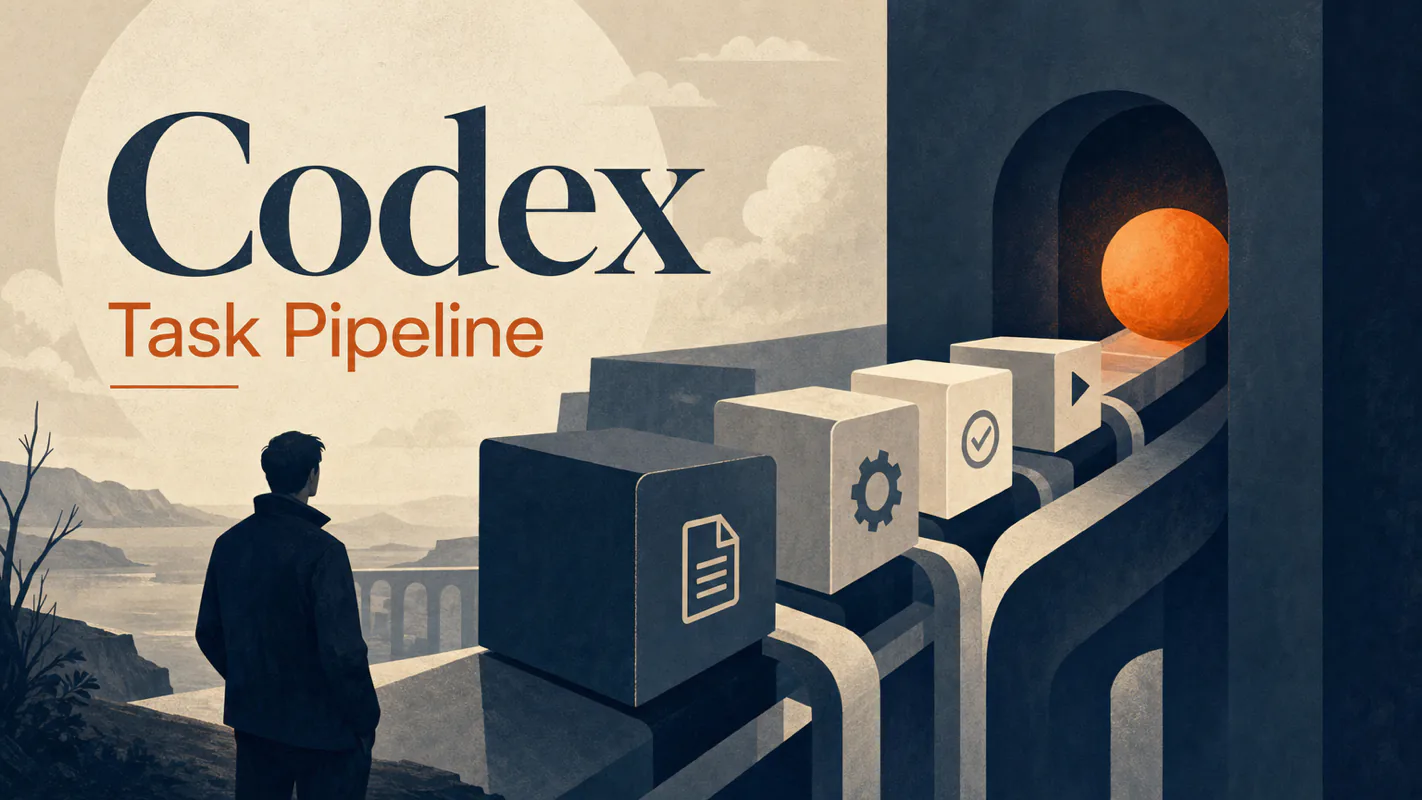
Codex rewrites three files you never mentioned and reports "Done." The problem is almost never the model — it is the assignment. Seven observable checkpoints for writing clearer task briefs, spotting drift in real time, and verifying output before you merge anything.
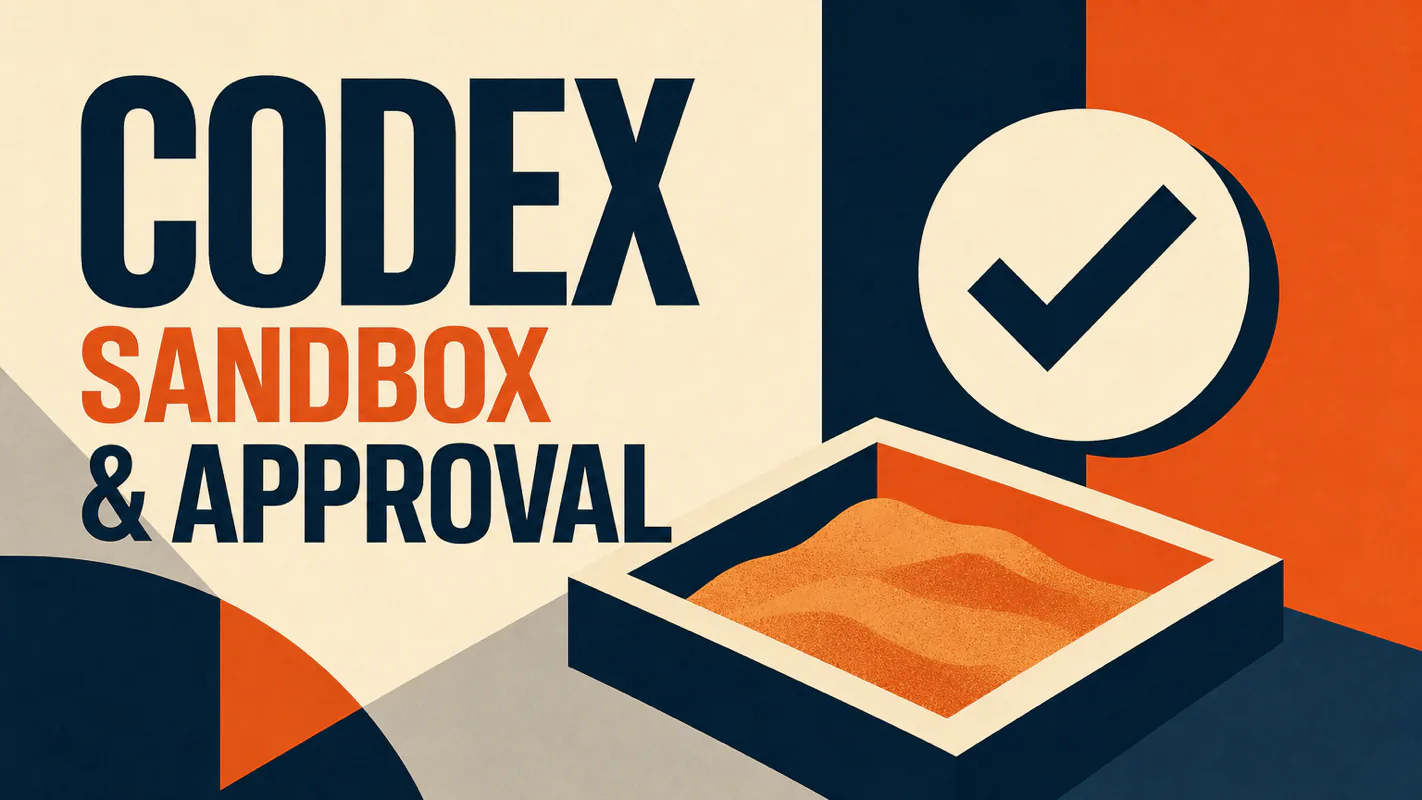
Most people find out where the boundary sits by hitting it mid-task. The two layers are simple enough to understand in advance — and understanding them in advance is the whole difference.
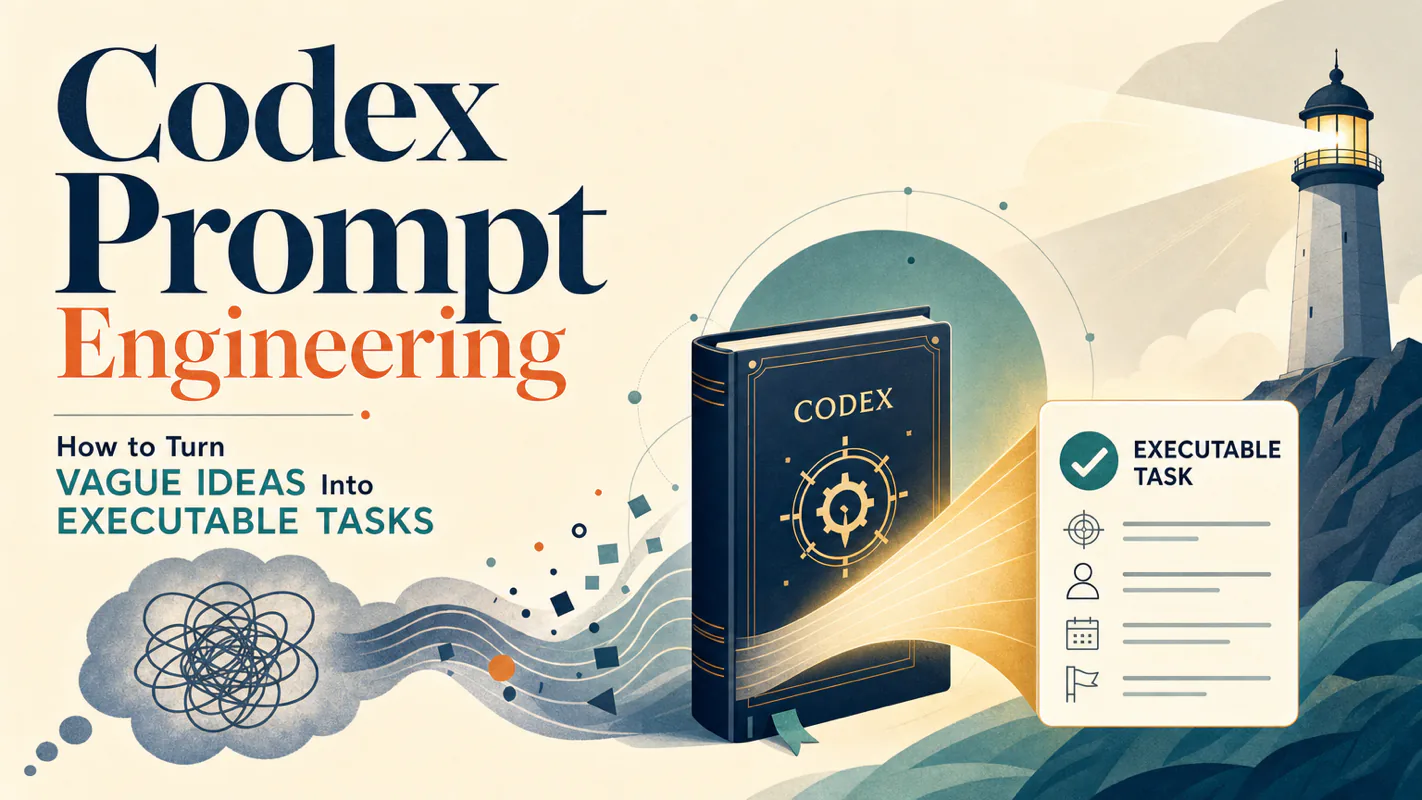
Send a contractor one line and you get one line's worth of thinking back, in the wrong shape. The fix is what procurement learned years ago: write down what done means before work starts. The 5-field template, 8 anti-patterns, and a 5-step rescue for when an AI assistant for business goes sideways.
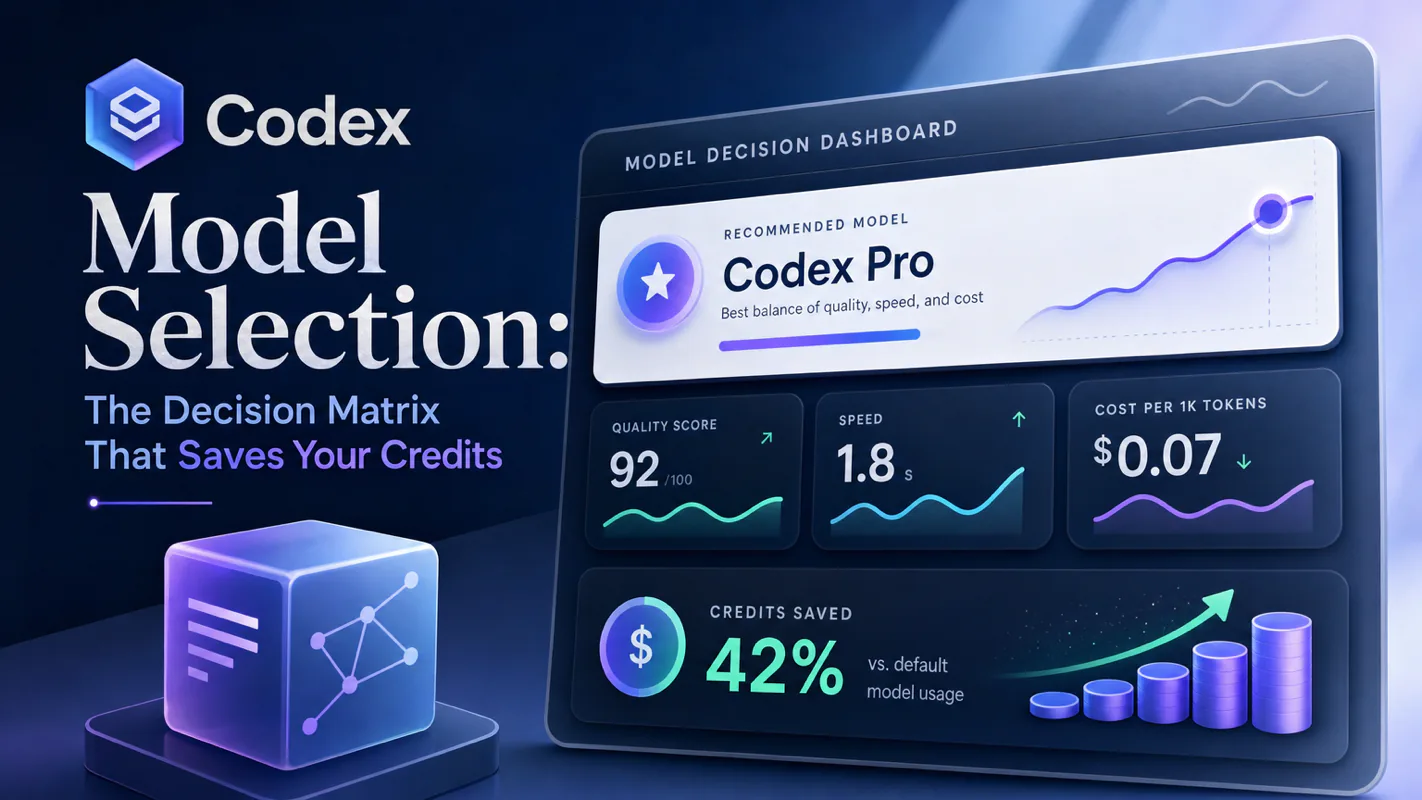
Four dials ship at settings tuned for an average user who does not exist. Knowing when to downshift is worth more than knowing which model is strongest.
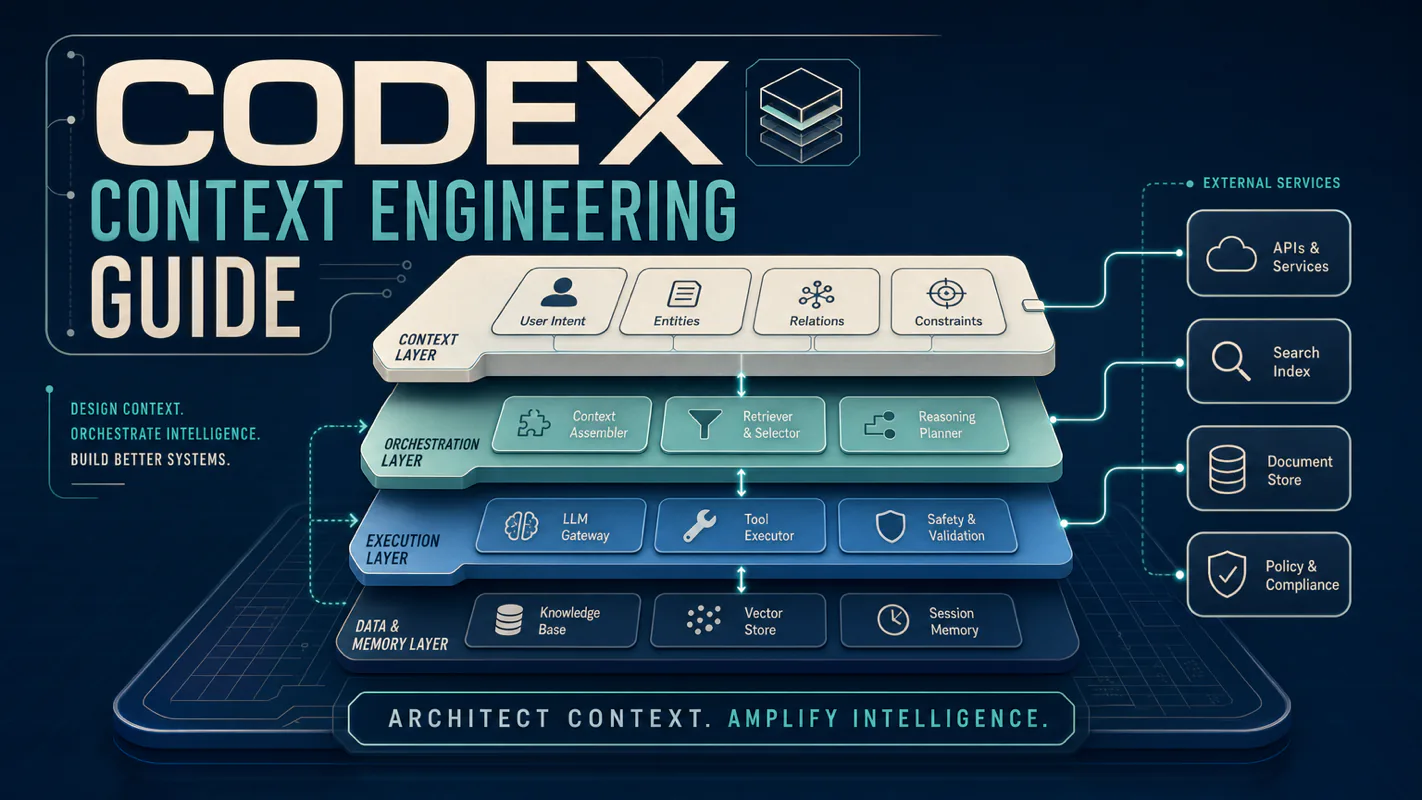
Every agency has a phrase for it: bad brief, bad work. It survives the move to AI intact. Most agent failures are not the model getting dumber. They are a vague goal, no boundaries, and fifteen files of material where two would do. Here is what to put on the desk before you hand over your work.
When I figure out how to get something real done with AI, you get the write-up — every step, including the parts that didn't work.