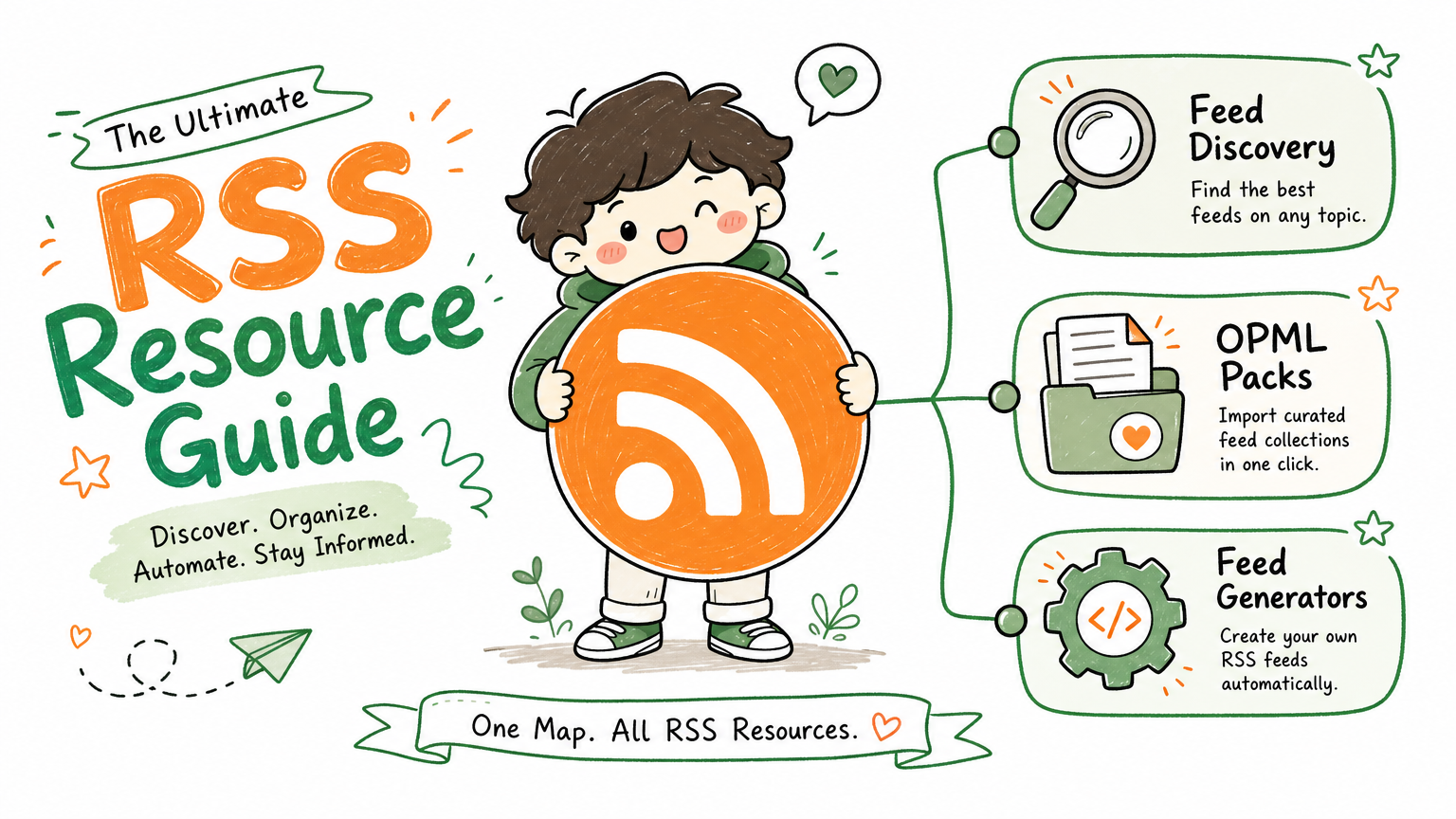
Monitoring a competitor who publishes no feed is the case every RSS guide skips. Twenty-one platforms sorted by which of three jobs they do, and the finished setup is business process automation you own outright, with no seat licence to renew.
Blaming the content is the reflex when a post underperforms, and it is usually the wrong diagnosis. A second reader decides distribution before any human sees the post, and most of what it checks is mechanical enough to automate business processes around, on five platforms at once.
Gloves on, tape measure in hand — nobody types a query. Three voice surfaces for ai automation tools (terminal, Telegram, Discord), 10 TTS and 6 STT providers compared on cost and latency, plus a setup that costs nothing.
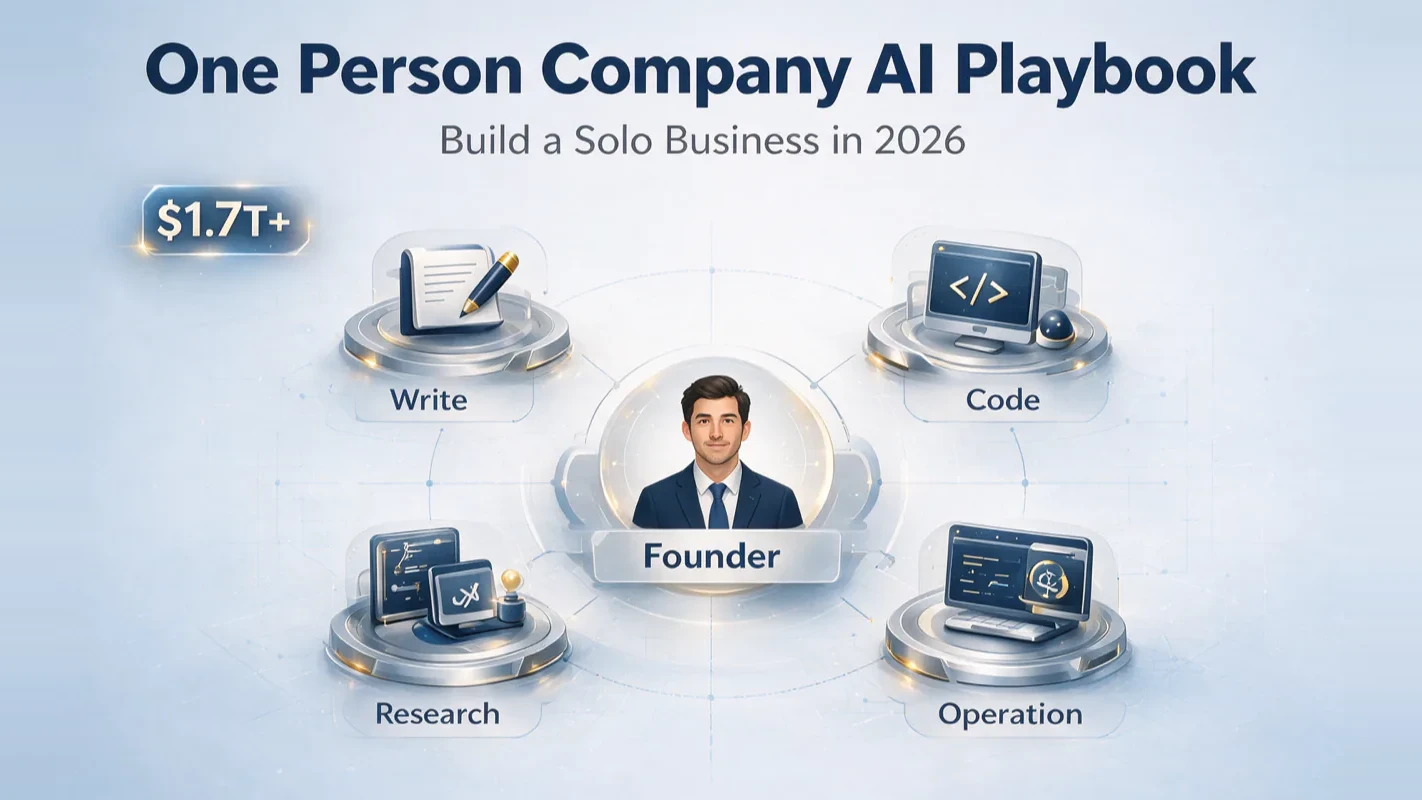
One Person Company AI Playbook: Build a Solo Business in 2026
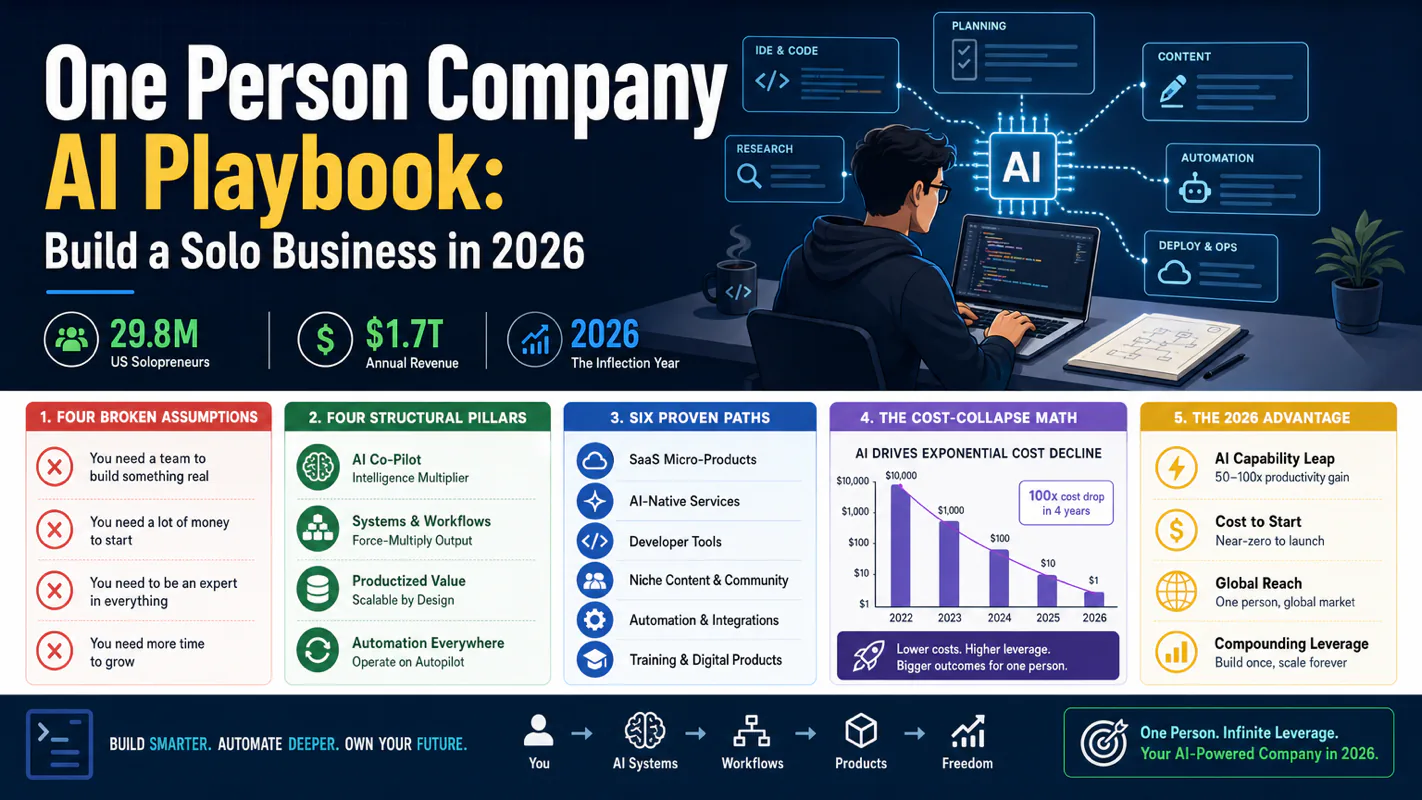
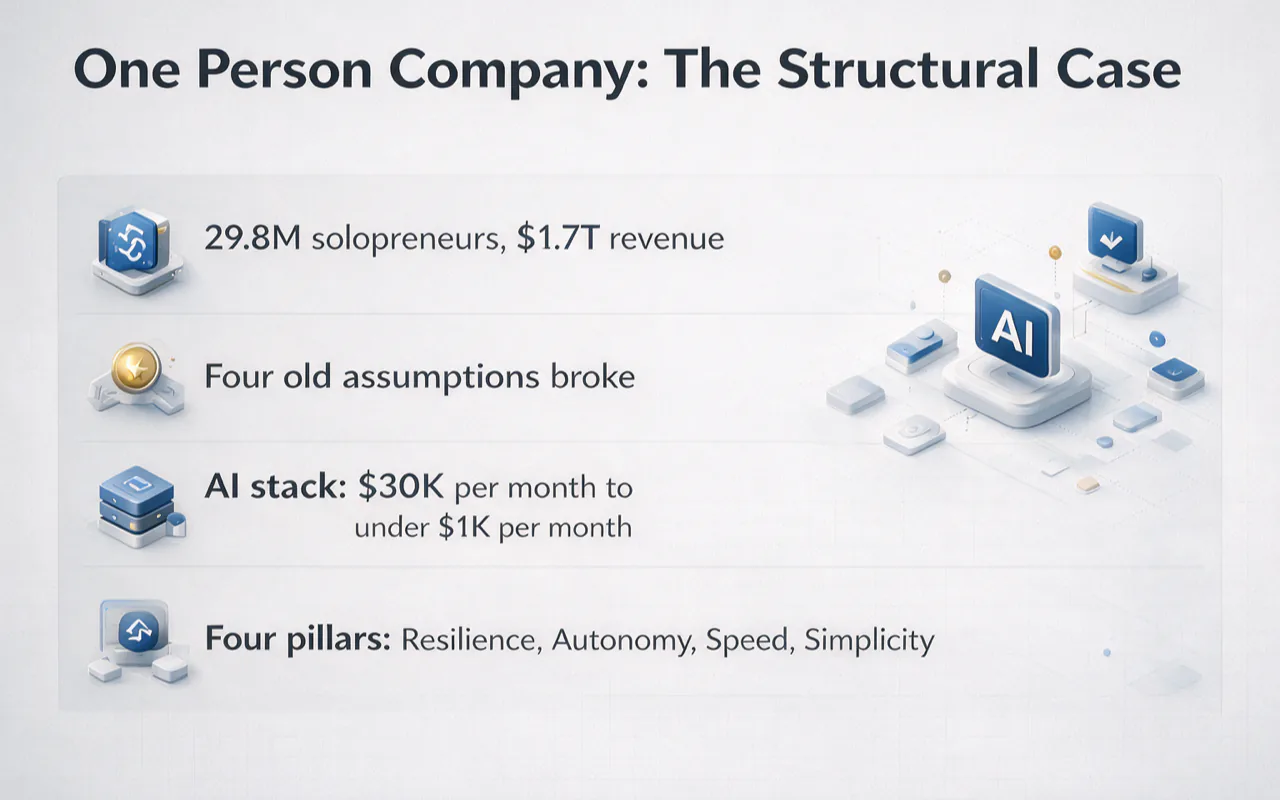
A one-person company powered by AI is no longer a thought experiment: 29.8 million US solo firms generate $1.7 trillion. This playbook covers the four assumptions that broke, the four pillars a durable small business runs on, six proven paths, and the cost math behind 2026.
Bottom line up front: A one person company powered by AI is the structurally superior business model for 2026. The tech stack that used to cost $30K per month now costs $300. The four assumptions that kept people from going solo have broken. This playbook covers exactly why, with census data, named cases, and the operational pillars that separate durable solo businesses from side projects that stall.
Write the job description before you post it. A three-person marketing agency did exactly that for its first operations hire, and the list came back: chase timesheets, reformat client reports, schedule posts, reconcile invoices, keep the project board honest, follow up on approvals. Six duties, one judgment call among them. That document is worth more as a diagnosis than as a job ad -- it shows which part of the company is coordination and which part is actually you. This playbook works the same seam: four pillars a durable one-person company runs on, six paths that pay, and the cost collapse that made the coordination layer cheap.
29.8 million US solopreneurs generate $1.7 trillion in annual revenue. 81.9% of American small businesses employ zero people. These are not fringe operators. They are the majority.
Yet most professionals still treat a one person company as a fallback, something you do when you cannot raise funding or assemble a team. That framing belongs to 2014. In 2026, running a one person company with AI is the advanced option, not the consolation prize.
This is the structural argument for why a one person company with AI works in 2026. Not motivation. Not lifestyle content. The math.
Why the Old Playbook Broke for One Person Companies
Four assumptions drove business formation for decades: bigger teams produce bigger revenue, one person hits a low ceiling, solo means unstable, and growth is the only measure of health. Every MBA program taught them. Every pitch competition reinforced them.
All four collapsed between 2019 and 2024. AI accelerated each break. The sections below walk through each assumption with the data that kills it.
Assumption 1: Revenue Scales with Team Size
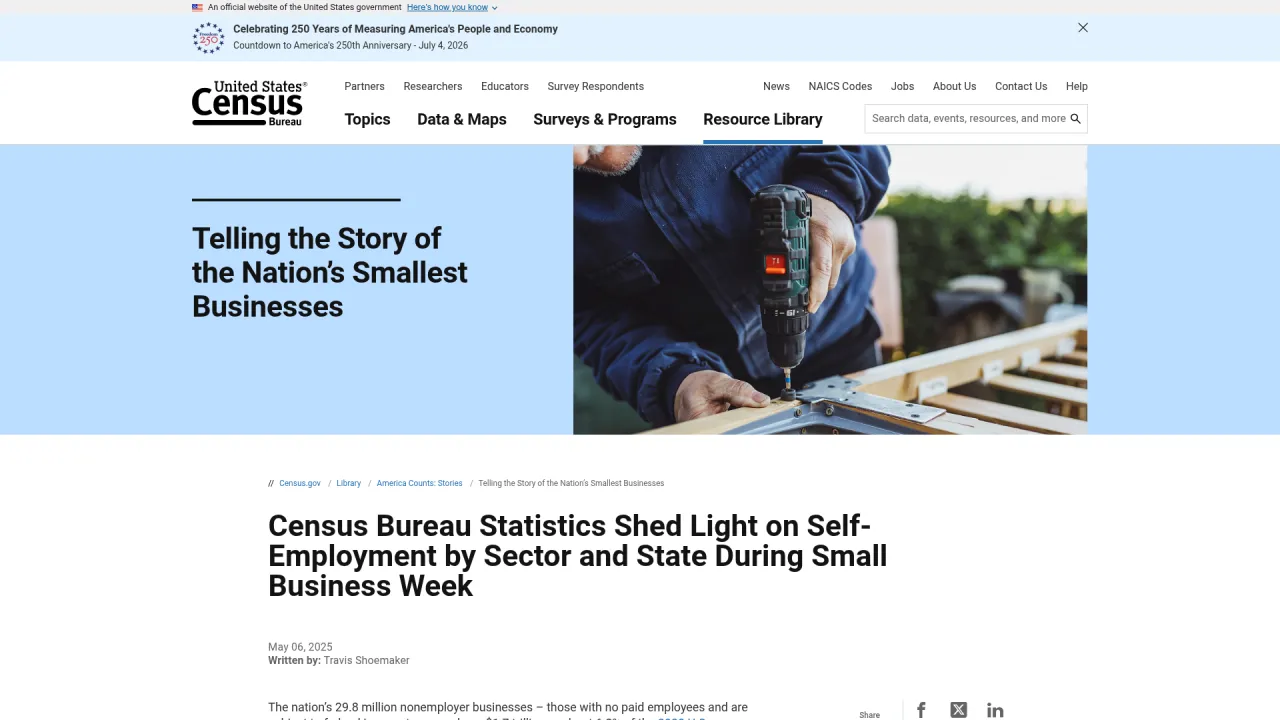
The US Census Nonemployer Statistics (May 2025) counted 29.8 million nonemployer businesses generating $1.7 trillion in revenue, roughly 6.8% of total US economic output. The July 2025 follow-up showed nonemployer firms grew faster than employer businesses in nearly every year from 2012 to 2023.
Revenue tracks the value you produce and how well you price it. Headcount is a cost, not an accelerant. I learned this running my own solo operation: adding my first contractor doubled my expenses and increased output by maybe 30%. Cutting back to solo and investing in better AI tooling got me past the same output ceiling at a fraction of the cost.
Assumption 2: A One Person Company Hits a Low Ceiling
Three cases demolish the ceiling argument.
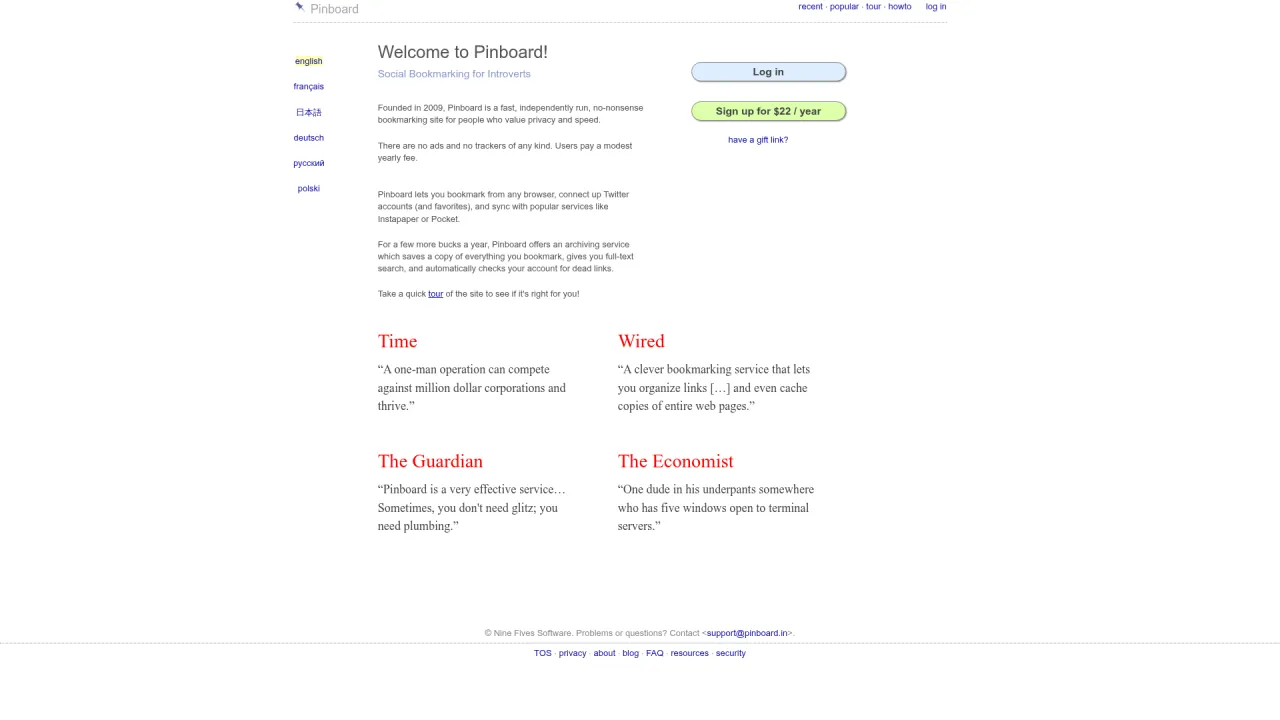
Pinboard vs. Delicious. Delicious was a Web 2.0 darling with a Yahoo acquisition, tens of millions in funding, and a growing team. Maciej Ceglowski built Pinboard, a competing bookmarking service, alone. One engineer, one interface, $20 per year subscription. In 2017, Pinboard bought Delicious for about $35,000 and shut it down. One person bought a funded competitor for the price of a used car.
Midjourney. Reached roughly $200M ARR with approximately eleven people. That translates to around $18M per person. The conventional SaaS benchmark sits at $200K to $500K per employee. Midjourney exceeded it by a factor of 30 to 50.
The ceiling lifted because AI, mature SaaS infrastructure, and outsourcing markets gave a single operator the throughput of a small team from three years ago. Enterprise-grade hosting costs $50 per month. Design that required a full-time hire now takes a prompt and 90 seconds.
Assumption 3: No Team Means Unstable
When you tell someone at a dinner party that you run a one person company, their brain translates it into "freelancer, gig worker, between jobs."
The distinction matters:
A freelancer sells hours. Tuesday is booked, Wednesday needs a new client.
A one person company sells a product, a system, or a position in a market. The asset earns whether the founder logs in today or not.
Pieter Levels does not rent out his afternoons. Nomad List exists and earns regardless of his daily schedule. The same applies to Ceglowski's Pinboard and the approximately 117,000 non-employer businesses that cross $1M in revenue.
Stability in 2026 comes from owning an asset that earns without your direct input for every dollar. A one person company can build that. A W-2 salary cannot.
Assumption 4: Growth Is the Only Measure of Health
This assumption kills more businesses than competition does.
Kongo Gumi, a Japanese construction company, survived for 1,428 years. During the 1980s bubble, it expanded aggressively into real estate. The bubble popped. The expansion debt crushed the company. It was absorbed in 2006.
Onsen Keiunkan, a Japanese inn founded in 705 AD, has survived 1,300 years. It never expanded. It still operates.
Growth killed the one. Restraint kept the other alive. That is a 1,428-year case study.
Paul Jarvis' Company of One makes this the central argument: question growth. Not reject it. Question it. Every time someone suggests expanding, the first move is to ask whether expansion actually serves what the business does well.
Traditional thinking
One person company thinking
How do we grow faster?
Is growing necessary?
How do we hire more?
Can a system replace a hire?
How do we raise more capital?
Are we profitable now?
How do we take more market share?
Are current customers happy?
The left column produces venture-funded startups. The right column produces businesses that survive centuries.
How AI Changes the One Person Company Math in 2026
The cost structure of running a one person company flipped between 2023 and 2026. Understanding the math explains why going solo now is structurally different from going solo five years ago.
The 2014 Stack vs. the 2026 Stack
Before AI cost collapse, a solo operator who wanted professional output needed to hire: a writer ($3K to $8K per month), a developer ($8K to $15K per month), an analyst ($5K to $10K per month), and an ops person ($4K to $7K per month). Total: $20K to $40K monthly burn before the first dollar of revenue.
After: the same operator pays $20 to $200 per month for an AI subscription that covers writing, coding, research, analysis, and basic operations. The burn drops by a factor of 100. The first paying customer arrives before the cash runway expires.
Stanford HAI's 2025 AI Index confirms the scale of the shift: business adoption of AI accelerated sharply in 2024, newly funded generative AI startups nearly tripled, and per-token pricing of frontier models fell roughly 80% over the same period.
Two operators ground this in real receipts:
Pieter Levels has published his stack for years: a few SaaS subscriptions, a single VPS, an analytics tool, and AI code assistance. Monthly bill closer to $200 than $2,000. Portfolio ARR around $3M.
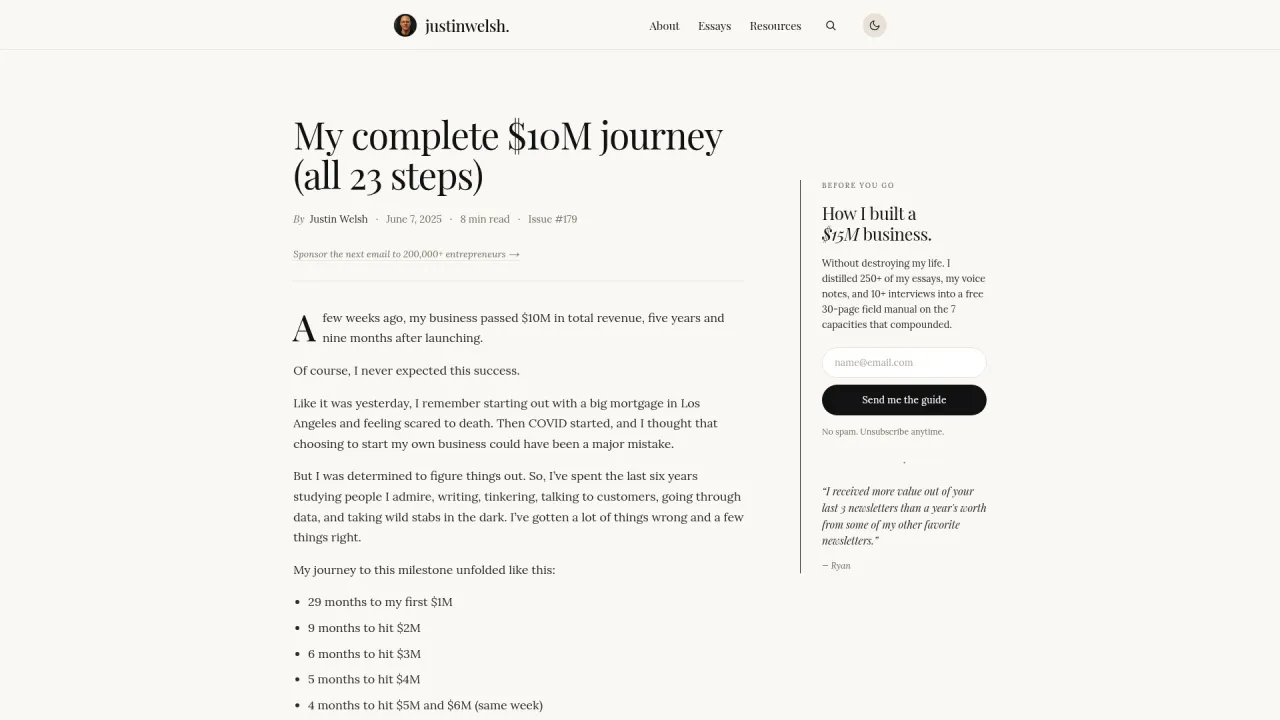
Justin Welsh's$10M Journey names the entire operation: ConvertKit/Kit, Stan Store, Notion, a small VA, and a podcast editor. The cost structure resembles a hobby more than a startup, even at $10M cumulative revenue.
Why the Savings Compound for Solo Operators
The cost collapse is asymmetric. A solo AI solopreneur who learns the tools well captures nearly all of the savings because there is no team to retrain, no meetings to coordinate the rollout, no middle managers to convince.
A 50-person company using the same AI tools gains less per person because the coordination tax, retraining cycles, and organizational friction erode the savings. Solo math compounds. Team math averages out.
From running my own one person company: the day I replaced my first-draft writing process with an AI assistant, I freed roughly 15 hours per week. That time went directly into customer conversations and product decisions. In a team setting, those 15 hours would have been redistributed across meetings about how to use the new tool.
The Four Pillars Every Durable One Person Company Runs On
Strip away the broken assumptions and four structural pillars remain. Every durable one person company I have studied runs on all four, and they reinforce each other.
Pillar 1: Resilience (Pivoting Speed, Not Endurance)
Large companies take six months to change direction. A one person company takes a weekend. When Twitter changed its API rules and broke half the indie developer tools that depended on it, solo builders shipped on their new platform within two weeks. The venture-backed tools scheduled a roadmap meeting.
Resilience is not toughness. It is the ability to stop doing what fails and start doing what works before the runway runs out.
Pillar 2: Autonomy (Earned, Not Assumed)
Autonomy gets romanticized. The reality: you earn it by developing genuine depth in one skill, one customer type, one product. Then autonomy follows naturally.
A practical rule: save enough to cover six months of actual expenses and acquire at least one paying customer before you quit anything. Going solo before building that depth is not freedom. It is unemployment with a business card.
Pillar 3: Speed (Zero Meeting Tax)
Gloria Mark's research at UC Irvine found that returning to full focus after a single interruption takes about 23 minutes. A typical knowledge worker in a 50-person company faces at least three scheduled interruptions daily: a standup, a one-on-one, an all-hands. That is roughly 70 minutes per day paid entirely in context-switch tax. Over five days, 5.5 hours per week evaporate into recovering from meetings.
A one person company eliminates that tax entirely. Three hours of genuinely uninterrupted work beats a full workday of fragmented attention. This is not a productivity hack. It is arithmetic.
Pillar 4: Simplicity (One Feature Beats Ten)
Pinboard had one feature: bookmark things. One price: $20 per year. Delicious had ten features and free pricing. Pinboard won, then bought Delicious for spare change.
Simplicity is not minimalism for aesthetic reasons. It is the discipline of removing anything that does not serve the person who pays you. Every feature, every product line, every hire pulls attention from the core. The core is what got you success in the first place.
The flywheel: Simplicity makes you faster. Speed makes you more resilient. Resilience preserves autonomy. Autonomy lets you hold the line on simplicity. Each year the flywheel spins, the business gets easier to run.
The question every aspiring AI solopreneur asks: what kind of one person company actually works? The cases cluster into six categories, listed by accessibility for someone without a software background.
1. Information Products (Courses, Newsletters, Templates)
Write, record, or design a body of work once and sell access repeatedly. Newsletter subscriptions, online courses, paid communities, template libraries. Zero inventory, zero fulfillment. Justin Welsh's public revenue log reached $10M cumulative revenue over 2,119 days at roughly 89% margins on this exact model.
2. Premium Services
Consulting, coaching, specialized freelance work, but priced on value delivered, not hours spent. The gap between a $75-per-hour freelancer and a $15K-per-engagement consultant is framing and positioning, not raw talent.
3. Drop-Shipped or Print-on-Demand Ecommerce
Design the product, outsource manufacturing and fulfillment. Never touch inventory. Printful, Printify, Shopify, Amazon FBA: the infrastructure for a solo product business is mature enough to be almost unfair.
4. Specialized SaaS for a Narrow Audience
You do not need to write code. Outsource development or use AI coding tools. Ship a tool for one specific niche: spreadsheet tools for dentists, directory sites for a specific trade, scheduling tools for home tutors. Pieter Levels' portfolio follows this pattern.
5. Rental and Royalty Income
Real estate, stock photography, music licensing, equipment rental. Build or acquire the asset once; it earns on its own. Slow to build, remarkably stable once running.
6. Marketplace and Platform Curation
Directories, job boards, newsletters with advertising, niche community platforms. Nomad List is a curated list of cities for remote workers, monetized through subscriptions, built by one person, maintained mostly by the community.
The common thread: none of these paths require doing every task yourself. All six separate the work you do (decisions, vision, quality control) from the work others do (manufacturing, fulfillment, development, maintenance). "One person" refers to who makes the decisions, not who does every task.
Four Habits of AI Solopreneurs Who Cross $100K
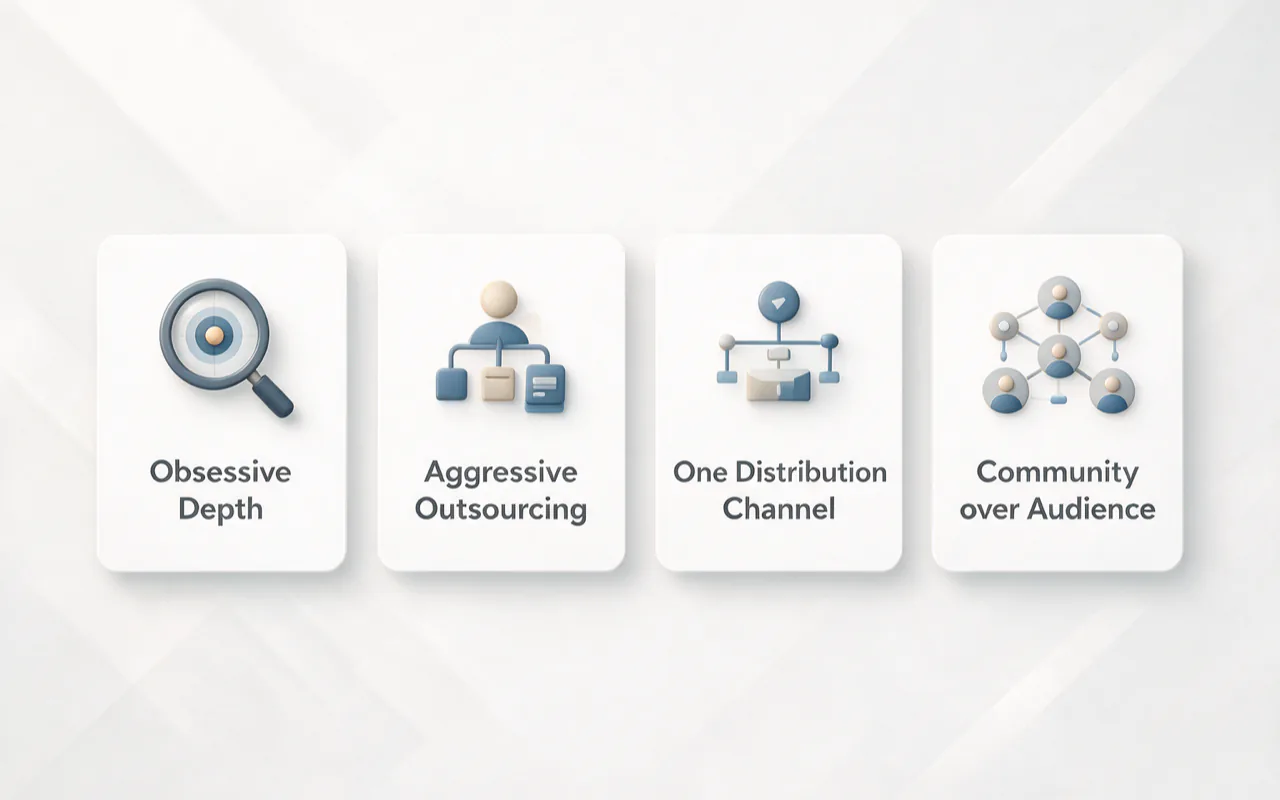
Across the cases I have studied at the six-figure revenue band, four habits appear consistently:
Obsessive depth in one domain. They know their customer and product to a level most employees never reach in their own role.
Aggressive outsourcing of execution. They treat their own time as the scarcest resource. Contractors, automation, and AI handle anything outside the "one thing" they uniquely deliver.
One primary distribution channel. They found one place where their customers already gather and went deep instead of spreading thin across five platforms.
Community over audience. Their customers talk to each other. Word of mouth handles 50% to 80% of marketing.
None of these require technical skill. All four are about discipline and focus.
The Numbers Most One Person Company Posts Skip
The headlines are exciting. The quieter numbers shape the year-one decision more than the headlines do.
The median is unforgiving. The same Census data that counts 29.8 million nonemployer firms also reveals a long tail. About approximately 117,000 cross $1M in revenue, which sounds large until you divide. Roughly 1.2% of nonemployer firms reach seven figures. The median sits closer to $50K than $500K. The ceiling is real. The median is not the ceiling.
The on-ramp is longer than Instagram suggests. Justin Welsh's breakdown: the first $1M took 29 months from product launch. The path to $10M took 2,119 days, nearly six years. Months 4 through 6 reveal which topic compounds. Months 6 through 12 produce real inbound. Year 2 brings organic referrals. Anyone selling a six-month ramp to seven figures is selling a fantasy.
The cost collapse is asymmetric. Frontier model token prices fell roughly 80% over 2023 to 2024, but a solo operator captures most of the gain because there is no team to retrain. The same drop applied to a 50-person company triggers coordination costs that erode the savings. This asymmetry is the single biggest structural advantage of a one person company in 2026.
Key Takeaways
29.8 million US solopreneurs generate $1.7 trillion. 81.9% of US small businesses have zero employees. The "one person is not enough" framing expired in 2014.
Four assumptions stopped being true. Revenue does not equal team size, the one-person ceiling is far higher than assumed, no team does not mean unstable, and growth does not equal health.
AI collapsed the one person company stack from $30K+ per month to under $1K. A 95% to 98% cost reduction versus the equivalent staffed team.
AI replaces the "junior employee" role. Research, first drafts, scheduling, basic analysis now cost $20 per month on a frontier LLM subscription.
Four pillars hold up every durable one person company: resilience (pivoting speed), autonomy (depth earned before exit), speed (uninterrupted work), simplicity (focus over sprawl).
The single biggest trap is hiring your first employee too early. It forces the business to clear 2x revenue and turns the founder into a manager.
Ready-to-Use Prompt: Build a Durable One-Person Company on Four Pillars and One of Six Paths
What this does: Assesses your four pillars (owned audience, paid product, automated ops, margin discipline), picks one of six proven paths, sets the cost-collapsed ~$300/mo tech stack, installs the four $100K-solopreneur habits, fixes the weakest pillar, and validates durability — building a real solo business, not a stall-prone side project. Based on: One Person Company AI Playbook: Build a Solo Business in 2026 — https://aiworkflowpro.com/one-person-company-ai-playbook/ Time to run: ~5 minutes
Copy this prompt into Claude Code, ChatGPT, or any AI assistant:
ROLE: You are a one-person-company architect. Your job: assess a founder's four pillars, pick one of six proven paths, set the AI-cost-collapsed tech stack, and install the four habits of solopreneurs who cross $100K — building a durable solo business, not a stall-prone side project.

CONTEXT — ONE-PERSON COMPANY BUILDER (4 PILLARS / 6 PATHS):
A one-person company is the structurally superior 2026 model: the tech stack that cost $30K/month now costs about $300 (AI cost collapse), so 29.8M US solopreneurs generate $1.7T. Every durable solo business runs on four pillars: an owned audience (distribution you do not rent), a paid product, AI-automated operations (the back office runs itself), and margin-disciplined cash flow. Six proven paths sit on those pillars (micro-SaaS, info products, paid community, productized service, AI tool/API, content + affiliate). The separator from stalls is four habits of solopreneurs who cross $100K.

INPUTS (fill in before running):
- FOUNDER_SKILLS: YOUR_ASSETS_HERE (what you can build/sell/do)
- AUDIENCE_TODAY: YOUR_REACH_HERE (owned audience size — newsletter/social/community, or "none")
- CAPITAL: YOUR_STARTUP_HERE ($ near-zero / some / funded)
- TIME_COMMITMENT: YOUR_HOURS_HERE (side / full-time)

METHOD — 6 STEPS:

Step 1 — Assess the four pillars
Score each pillar 0-2: owned audience · paid product · AI-automated operations · margin/cash-flow discipline. The lowest pillar is the biggest risk — a durable company needs all four; a stall happens where the weakest pillar breaks.

Step 2 — Pick one of six paths
Match FOUNDER_SKILLS + AUDIENCE_TODAY to one path: micro-SaaS (builder) · info products/courses (teacher) · paid community (connector) · productized service (operator) · AI tool/API (developer) · content + affiliate (creator). Pick the lowest-friction path; name the five rejected.

Step 3 — Set the cost-collapsed tech stack
Build the stack at about $300/mo, not $30K: AI for content/support/code, self-hosted or free-tier infra, one payment processor, one publishing channel. Map each old expensive role to its cheap AI/free replacement. The cost collapse is the whole reason solo is viable.

Step 4 — Install the four $100K habits
Adopt: ship fast and iterate (not perfect-then-launch); automate the back office (support, billing, ops); own distribution (audience you do not rent); price for margin not volume. Score which habits the founder lacks — those are the growth ceiling.

Step 5 — Fix the weakest pillar first
From Step 1, the lowest pillar gets the first 30 days. Usually it is owned audience (most solos stall on distribution, not product). State the one fix that lifts it from 0/1 to 2.

Step 6 — Validate durability
Check: (1) all four pillars ≥1 (none at 0)? (2) tech stack at the cost-collapsed level (not $30K)? (3) one path chosen (not three)? (4) the four habits installed? A stall-prone side project fails one of these; fix before scaling.

RULES:
- A durable one-person company needs all four pillars — the weakest pillar is where it stalls.
- Build on the cost-collapsed stack (~$300/mo); the $30K legacy stack kills solo economics.
- One path at a time — splitting across paths is how side projects stay side projects.
- Own distribution and price for margin; rented audience and volume-pricing are the stall pattern.

OUTPUT FORMAT:
Output six sections:
1. **Four-pillar assessment** — markdown table with columns: Pillar | Score (0-2) | Risk.
2. **Path pick** — the one chosen path + why, five rejected named.
3. **Cost-collapsed stack** — markdown table with columns: Old expensive role | Cheap AI/free replacement.
4. **$100K habits** — markdown table with columns: Habit | Installed? (Y/N).
5. **Weakest-pillar fix** — the lowest pillar + the 30-day fix to lift it to 2.
6. **Durability validation** — markdown table with columns: Check | Pass? (Y/N).
Save as @templates/one-person-company-ai-playbook.md and run when you start or restructure your solo business, then re-run quarterly to re-score the pillars and habits.
FAQ
How much revenue can a one person company realistically generate in 2026?
The US Census counts roughly approximately 117,000 non-employer businesses earning $1M or more per year. Pieter Levels runs a multi-million ARR portfolio alone. Midjourney hit $200M ARR with about eleven people, roughly $18M per head. Realistic year-one ranges sit between $30K and $80K with disciplined execution; $100K to $300K is common by year three. Seven figures requires either deep specialization or scalable digital products.
What AI tools does an AI solopreneur actually need?
A modern one person company runs on three layers. First, a frontier LLM subscription ($20 to $200 per month) for writing, research, coding, and analysis. Second, a hosting and payments stack (Ghost, Stripe, a VPS or serverless platform) at roughly $50 to $150 per month. Third, specialized tools for your niche (email marketing, design, analytics). The total stack cost lands between $250 and $1,000 per month, replacing what used to require $20K to $40K per month in staff.
Do I need technical skills to start a one person company with AI?
No. Five of the six proven paths, information products, premium services, ecommerce, rental income, and curation, do not require coding. The sixth path, specialized SaaS, can be outsourced or built with AI coding assistants. The one person company economy was built by writers, coaches, designers, and operators. AI handles the technical execution layer, freeing the solo operator to focus on judgment, positioning, and customer relationships.
Will AI eventually replace solopreneurs?
The opposite is happening. AI commoditizes the execution layer: first drafts, basic code, research summaries, data analysis. It does not touch the judgment layer: taste, positioning, customer trust, and the decision of what to build next. A one person company sits squarely in the judgment layer. AI makes solo businesses cheaper to run without making the business itself automatic.
Should I quit my job before starting a one person company?
Almost never. The most durable one person companies start as side projects. Five hours a week for six months before quitting is the pattern that works. By month six, you know whether the idea has traction, you have at least one paying customer, and you have saved enough to cover another six months. Quitting cold is a romance, not a strategy.
What Comes Next
This playbook covered the why and the what. For the how, the practical follow-up is the 30-day framework for picking your one thing and shipping it, the actual decision framework for figuring out what kind of one person company to start. It covers the convergence of skills, interests, and market demand, plus a 30-day validation method.
Monitoring a competitor who publishes no feed is the case every RSS guide skips. Twenty-one platforms sorted by which of three jobs they do, and the finished setup is business process automation you own outright, with no seat licence to renew.
Blaming the content is the reflex when a post underperforms, and it is usually the wrong diagnosis. A second reader decides distribution before any human sees the post, and most of what it checks is mechanical enough to automate business processes around, on five platforms at once.
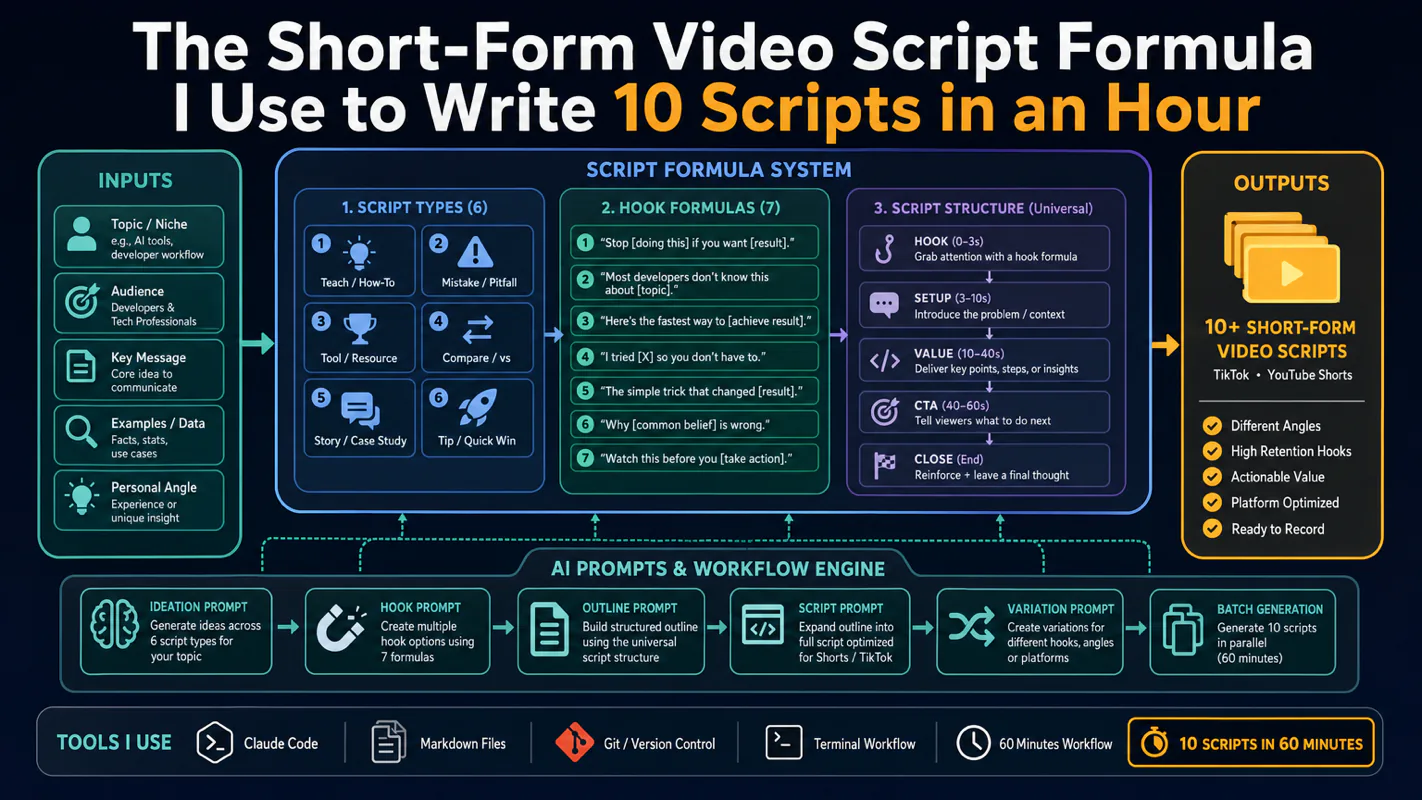
Thursday afternoon, fourteen product ideas, a Monday filming slot, no scripts. Six script shapes and seven hook formulas turn that hour into finished drafts — and the business rule stays: rewrite at least 30% before anything ships.
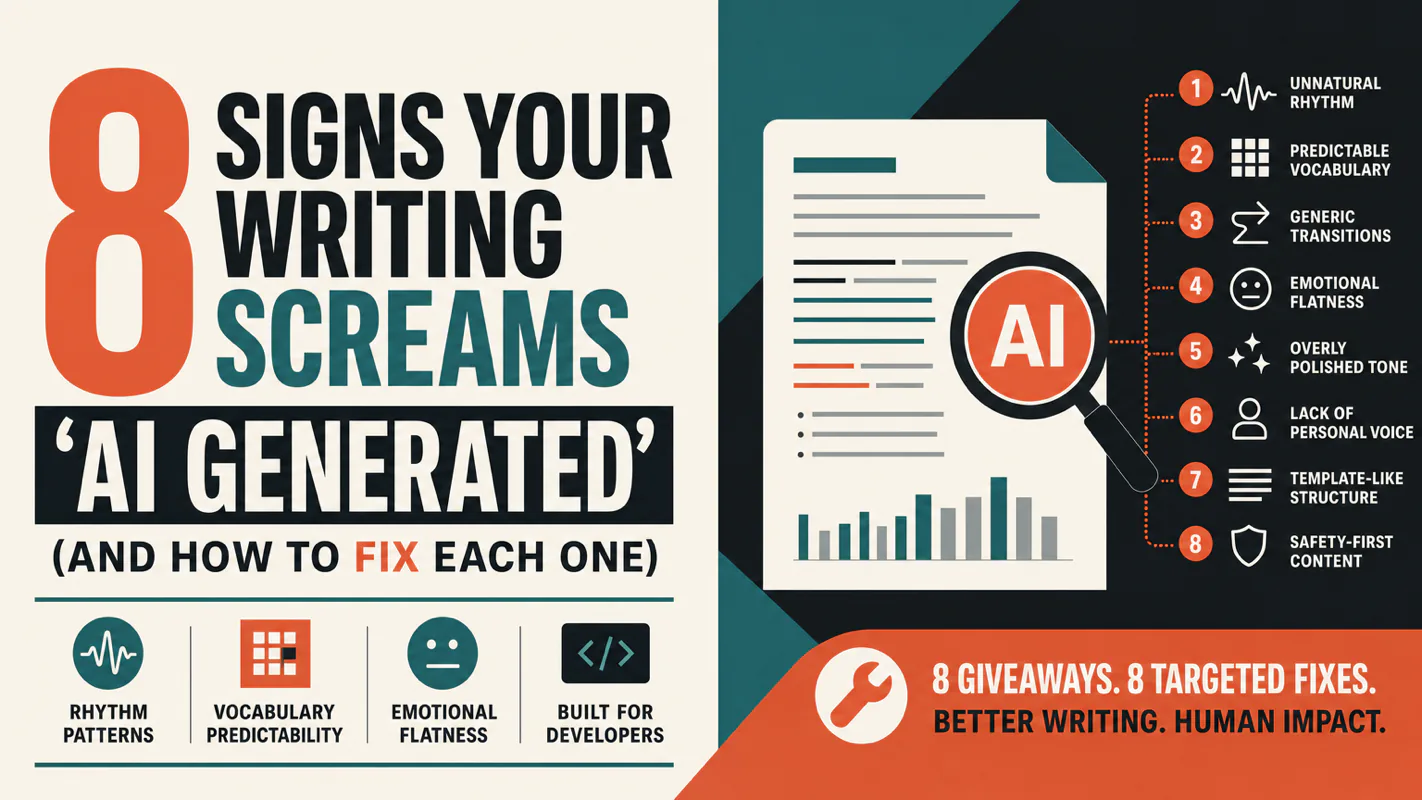
A detector score cannot survive a conversation with the freelancer it just cost three weeks of payment. What holds up is the specific thing on the page: rhythm, vocabulary, missing detail. Eight of them here, and the reason review stays human when you automate business processes.