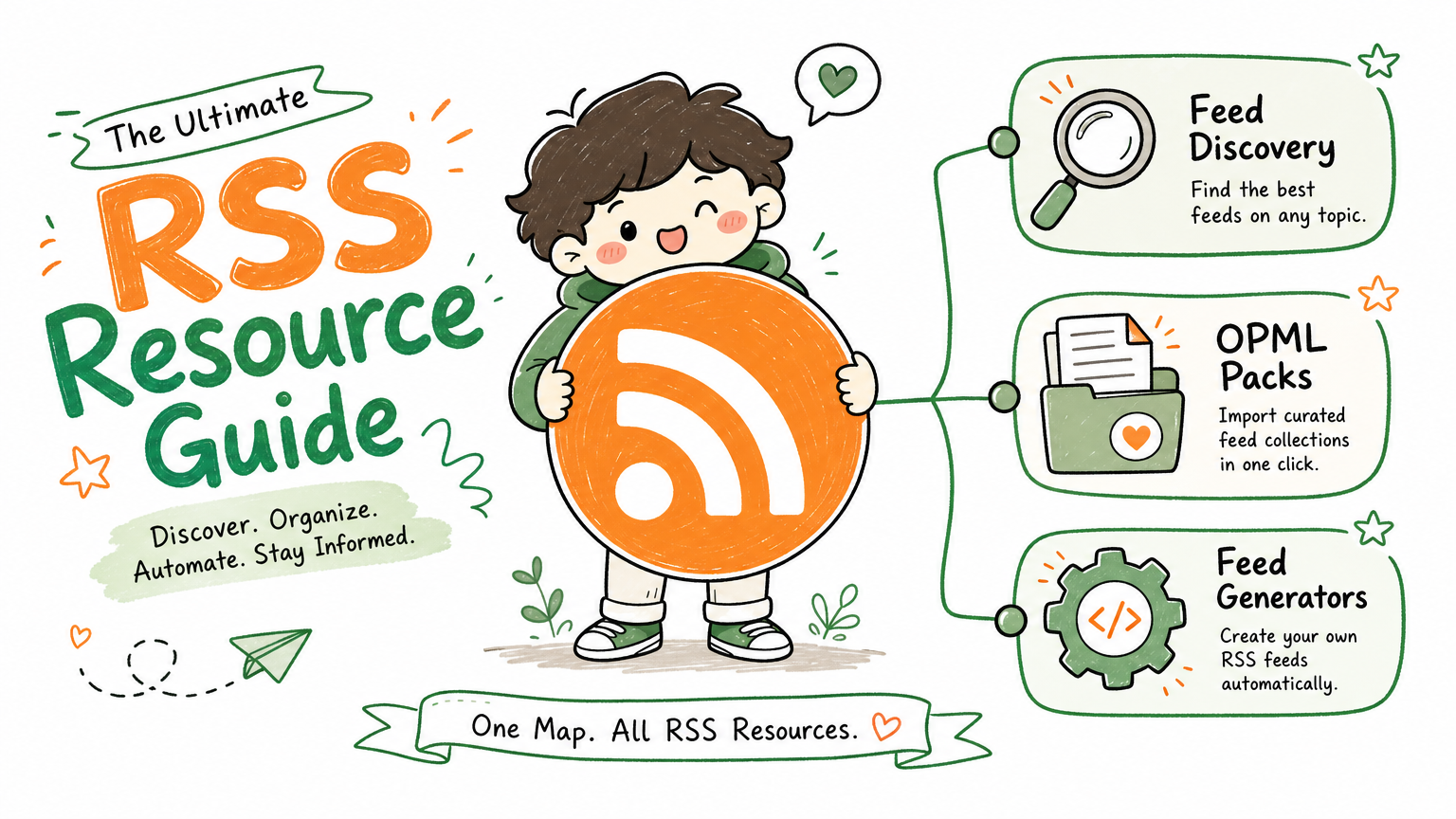
Monitoring a competitor who publishes no feed is the case every RSS guide skips. Twenty-one platforms sorted by which of three jobs they do, and the finished setup is business process automation you own outright, with no seat licence to renew.
Blaming the content is the reflex when a post underperforms, and it is usually the wrong diagnosis. A second reader decides distribution before any human sees the post, and most of what it checks is mechanical enough to automate business processes around, on five platforms at once.
Gloves on, tape measure in hand — nobody types a query. Three voice surfaces for ai automation tools (terminal, Telegram, Discord), 10 TTS and 6 STT providers compared on cost and latency, plus a setup that costs nothing.
SEO Copywriting Prompts: 12 ChatGPT Templates That Actually Rank
A topic plus a deadline is not a brief. It is an invitation to guess, and every writer guesses differently. Settling the answerable question before anyone writes is the cheapest quality control there is, and the one input a company can standardise when it moves to automate business processes.
I published 100 AI-generated SEO articles last year. Google indexed 12. The other 88 vanished into the void, and the problem was never the model. It was my prompts.
This guide hands you 12 battle-tested SEO copywriting prompts for ChatGPT that bridge the gap between "AI wrote this" and "AI wrote this and it ranks." You get copy-paste templates for every stage, from keyword research to structured data, plus the lessons I learned the hard way so you skip the 88-article graveyard.
Key takeaways
Generic "write me an article about X" prompts produce content Google ignores. Structured SEO copywriting prompts fix that.
Five elements decide whether AI content ranks: keyword placement, heading hierarchy, search intent match, calls to action, and readability.
The 12 prompt templates below cover title generation, meta descriptions, content outlines, internal linking, FAQ schema, and batch content planning.
In 2026, SEO articles must serve Google, AI Overviews, ChatGPT, and Perplexity simultaneously. These prompts handle all four.
The brief is where content operations quietly fail. A writer gets a topic, a word count and a due date, then reconstructs from memory what the piece is meant to do — which query it answers, which page it links to, what a reader should be able to do afterwards. Twelve writers reconstruct it twelve ways, and the results miss for twelve different reasons. Prompt templates are briefs with the reconstruction taken out: target query, heading structure, intent, internal links and schema fixed before the first sentence exists. Standardising the input is the whole trick when you automate business processes. The model was never the variable.
What Are the 5 Elements Every SEO Article Needs?
Strong SEO copywriting rests on five non-negotiable pillars. Miss one, and rankings suffer regardless of word count or keyword volume.
Element
Purpose
What AI handles
What you must do
Keyword placement
Tells search engines what the article covers
Weave keywords naturally, avoid stuffing
Choose the right keywords
Content structure
Clear H1-H6 hierarchy
Generate logically structured outlines
Confirm the progression makes sense
Search intent match
Satisfy what the searcher actually wants
Analyze intent and map content to it
Validate the intent is correct
CTA embedding
Guide readers toward action
Insert calls to action at the right points
Decide where to send them
Readability
Keep people reading
Control sentence length and paragraph rhythm
Inject personal voice and real examples
SEO copywriting is not writing for search engines. Search engines just help users find you. Your content must ultimately persuade a human.
What Changed in SEO for 2026?
Before getting to the prompts, you need context on four shifts that reshape how SEO copywriting works today.
AI search rewrites the rules:
Shift
Data point
Your move
Google rewrites 63% of meta descriptions
Custom descriptions matter more, not less
Write sharper, more precise descriptions
AI Overviews cut paid-query CTR by 68%
Organic rankings are more valuable now
Optimize content to be cited by AI
Brands cited by AI see 35% more organic clicks
AI citation = new traffic channel
Structure content so AI can extract it
97% of AI citations come from top-20 results
Traditional SEO is still the prerequisite
Keep doing foundational SEO work
Regularly updated content ranks higher
Search engines reward freshness
Refresh old articles quarterly
Answer Engine Optimization (AEO) has become a distinct discipline. Optimizing for ChatGPT, Perplexity, and Google AI Overviews means your content must be structured for extraction, not just ranking.
Generative Engine Optimization (GEO) adds a third dimension. Beyond ranking well and getting cited, your content needs to serve as source material when AI systems synthesize answers. Mastering SEO + AEO + GEO as a unified strategy is the core competitive edge for content creators in 2026.
Why Do Generic AI Articles Fail at SEO?
Telling ChatGPT "write an article about X" produces content with six SEO-killing flaws. Understanding these failures is what makes the prompts below effective.
Problem
Root cause
Consequence
Keywords missing or stuffed
AI either ignores or overuses them
Search engines cannot classify the content, or flag it as spam
Flat structure
No clear H2/H3 hierarchy
Search engines struggle to parse content architecture
Surface-level coverage
Touches everything, goes deep on nothing
Users bounce because their question stays unanswered
No action guidance
Article just ends
Traffic arrives but never converts
Obvious AI tone
Empty transition sentences everywhere
Readers spot it instantly, trust drops
No original data
Zero unique insights or numbers
No differentiation from competitors
Every one of these problems traces back to the same root: your prompt did not communicate SEO requirements to the model.
I have watched dozens of people make the same mistake: open ChatGPT, type one sentence, and wait for a finished article. AI is not telepathic. It executes instructions. Vague instructions give it room to improvise, and improvisation is a disaster in SEO. Search engines want precision, structure, and depth. All of that must be specified at the prompt level.
The second overlooked issue is content homogeneity. When everyone uses the same AI to write about the same topic, the outputs converge. Google's Helpful Content system explicitly targets "content created for search engines rather than people," and identical AI output hits that tripwire. Your SEO copywriting prompts must steer the model toward differentiated content with unique angles, real case studies, and original data.
What Are the Best SEO Copywriting Prompt Templates for ChatGPT?
These templates have been refined through months of testing. Replace the bracketed placeholders with your own information and use them directly.
Foundation prompt (single article)
You are an SEO copywriting expert. Write an SEO-optimized blog post on the following topic.

## Basic information
- Primary keyword: [enter 1 primary keyword]
- Secondary keywords: [enter 2-3 related keywords]
- Target audience: [describe reader profile and needs]
- Article type: [tutorial / guide / review / opinion / listicle]
- Word count target: [target word count]

## SEO requirements
1. Title includes primary keyword, under 60 characters
2. First paragraph (first 150 words) must contain the primary keyword
3. Each H2 heading naturally includes a keyword variant
4. Keyword density stays between 1-2%, never stuffing
5. Design 3-5 Q&A paragraphs that can be extracted as Google Featured Snippets
6. Article ends with a clear CTA

## Content requirements
1. Produce an outline first for approval before writing the full article
2. Keep paragraphs under 4 lines (improves readability)
3. Use lists and tables where appropriate (improves scannability)
4. Include specific data and examples (builds credibility)
5. Write in a conversational, neutral tone
6. Provide actionable advice, not abstract theory

## Format requirements
1. Use Markdown
2. Only one H1 (the title)
3. H2 for main sections
4. H3 for subsections
5. Bold key concepts
Advanced prompt (with competitor analysis and AEO)
You are an SEO copywriting expert. Write an SEO-optimized blog post on the
following topic. Simultaneously optimize for AI search engine citability.

## SEO + AEO requirements
1. Title includes primary keyword, under 60 characters, contains a number or power word
2. First paragraph directly answers the question posed by the title (easy for AI extraction)
3. Each H2 heading is itself a search question
4. Keyword density 1-2%
5. Every 500 words, include a "question + concise answer" format paragraph
   (optimized for Featured Snippets and AI citation)
6. Include a "Frequently Asked Questions" section using Q&A format
7. Include internal link placeholders: [Internal link: related article title]
8. Include external link suggestions: [External link: authoritative source]
9. Meta description suggestion (140-155 characters)

## Content differentiation
1. Include at least 1 unique insight competitors have not covered
2. Provide original data or case studies (mark with [DATA PLACEHOLDER] where you need to fill in)
3. Add a decision framework or comparison table
4. Give specific, actionable steps rather than concept explanations only
Batch prompt (content series planning)
You are an SEO content strategist. Create a content plan with [N] articles
for the following topic cluster.

Core topic: [enter core topic]
Target keyword cluster: [enter 5-10 keywords]
Competitors: [enter 2-3 competitor sites]

Output:
1. Each article's title, target keyword, and search intent
2. Internal linking structure map between articles
3. Publishing priority (sorted by search volume and competition)
4. Brief outline for each article (H2 heading list)
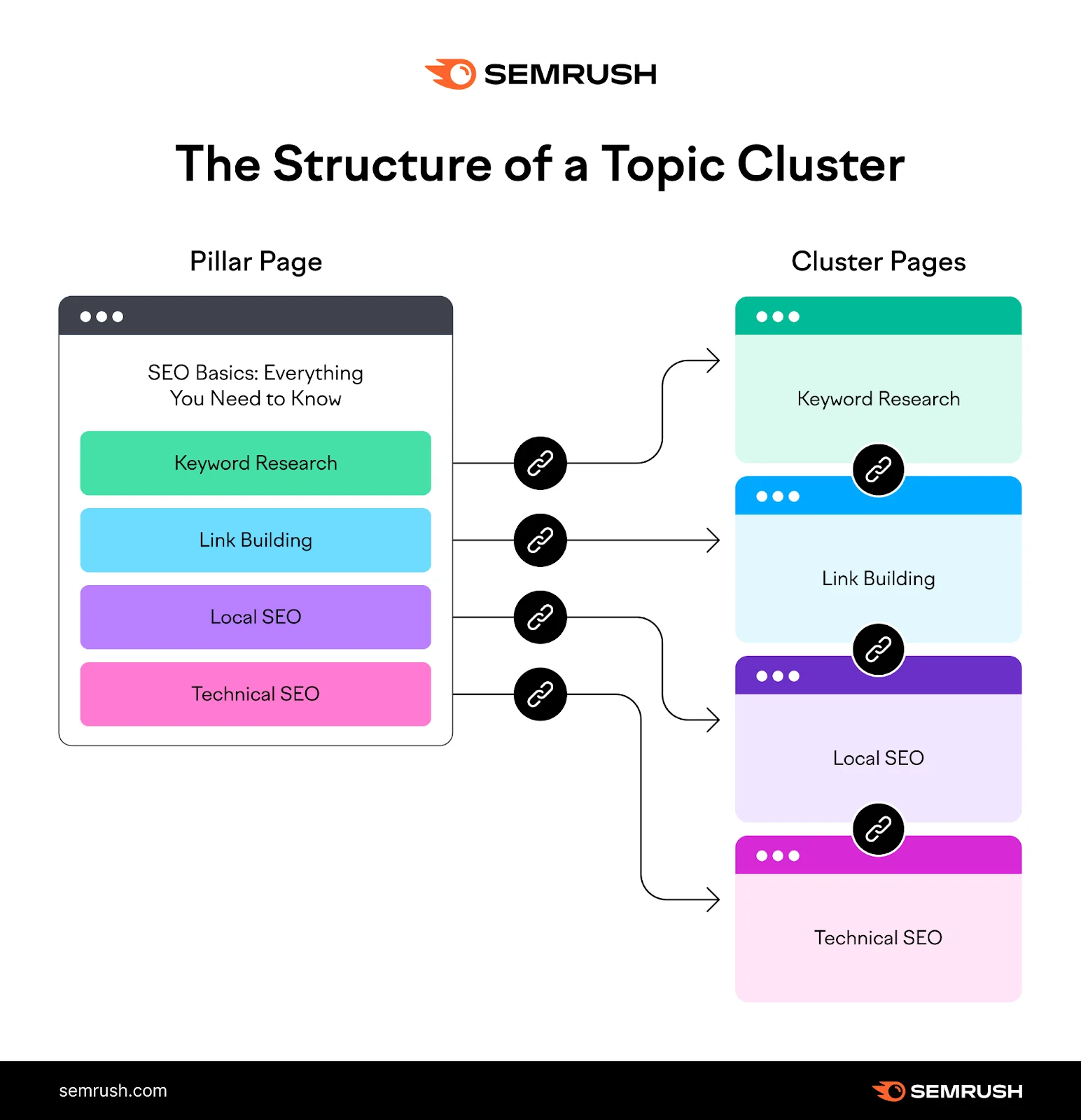
5. Design for the cluster's pillar page
How Should You Use These SEO Copywriting Prompts Step by Step?
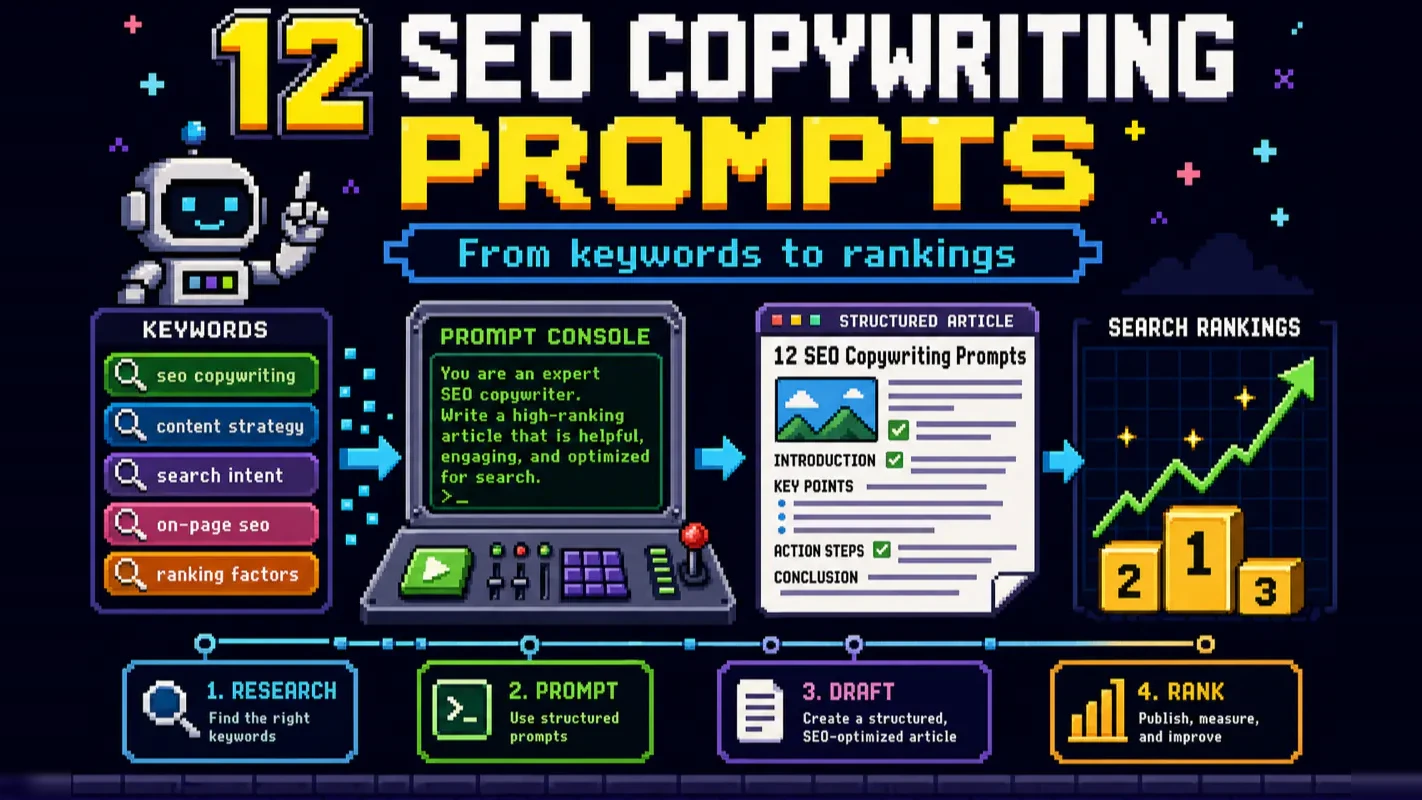
A prompt template alone does not produce rankable content. The four-step workflow below turns templates into published articles that perform.
Step 1: Keyword research
Before touching any prompt, nail down your target keywords.
Monthly search volume 100-10,000 (too high and you cannot compete with authority sites; too low and there is no traffic)
High relevance to your content
You have a unique angle or expertise to write differentiated content
From my workflow: Beyond traditional keyword research, 2026 demands "prompt research." Enter your target topic into ChatGPT and Perplexity. See which sites their AI citations reference. If competitors already get cited, analyze their content structure and identify what the cited paragraphs have in common. Typically, paragraphs with clear structure, precise definitions, and concrete data earn AI citations most often.
Step 2: Generate outline and validate
Have the AI produce only an outline first. Check these points:
Does the outline cover what someone searching this keyword actually wants to learn?
Is there a clear logical progression?
Are any important subtopics missing?
Compared to the top 3 ranking results, does this outline offer a differentiated angle?
Approve the outline before requesting the full draft.
From my workflow: Never skip the outline step. Many people save time by asking for the full article immediately, then discover the logic is wrong or key subtopics are missing, and reworking it costs more than starting over. My approach is to request three outlines from different angles, then cherry-pick the best elements into a final version. This adds ten minutes to the process but raises first-draft quality by an order of magnitude.
Step 3: Generate the first draft
Use the prompt templates above to produce the initial draft. I recommend generating in sections: write the introduction first, confirm the tone works, then move to the body, and finish with the conclusion and CTA.
Section-by-section generation has another advantage: you can inject real experience between sections. When you reach the "keyword research" section, let AI write the framework, then manually add your own screenshots, real data, and personal insights. This "AI skeleton + human muscle" approach is both efficient and authentic.
Step 4: Human review and optimization
The AI draft needs these checks before it goes live:
Check
Action
Priority
Keyword naturalness
Rewrite any phrasing that sounds forced
Critical
AI filler paragraphs
Delete "As the landscape of X evolves..." sentences
High
CTA clarity
Reader knows exactly what to do next
High
Fact-checking
Verify every number and claim
Critical
Personal experience injection
Add your own real cases and opinions
High
Internal and external links
Add related article links and authoritative sources
What SEO Copywriting Tactics Produce the Biggest Ranking Gains?
These seven principles come from publishing hundreds of articles and tracking what Google actually rewards.
Title formula. Use "[Action verb] + [Specific result] + [Qualifier]." For example, "Generate High-CTR Meta Descriptions in 3 Steps" beats "How to Optimize Meta Descriptions" because it is more specific and matches search intent more precisely.
The first paragraph decides everything. Search engines read the first paragraph to understand page topic. Users do the same. Use the opening paragraph to directly answer the title's question, then expand in subsequent sections. This matters even more for AI search: ChatGPT and Perplexity frequently cite an article's first paragraph as the answer.
Featured Snippets are free traffic. Design "question + concise answer" paragraphs throughout your article. These have a chance of being extracted as Google's Featured Snippet, displayed above all other results. My format: pose the question as an H2 or H3, follow with a 2-3 sentence direct answer, then expand with detailed explanation.
Internal and external links both matter. Linking to your own related articles (internal links) helps search engines map your content ecosystem. Citing authoritative sources (external links) boosts credibility. My ratio: 2-3 internal links plus 1-2 external links per 1,000 words.
Updating beats creating. Search engines prefer content that stays current. Returning to update an old article's data and insights often outperforms publishing something brand new. I audit my top-20 ranking articles quarterly, refreshing outdated data and tool recommendations.
FAQ sections are AEO weapons. Add a FAQ section at the end of each article using a "question + short answer" format. This structure is particularly easy for AI search engines to extract and cite.
E-E-A-T signals are non-negotiable. Google places increasing weight on Experience, Expertise, Authoritativeness, and Trustworthiness. I include at least two personal experience paragraphs in every SEO article, clearly labeled. These paragraphs make content warmer and send the "real experience" signal that search engines evaluate.
How Do SEO, AEO, and GEO Differ in Practice?
Many people treat these as interchangeable. They are not. Each optimizes for a different system with a different extraction logic.
Dimension
Traditional SEO
AEO (Answer Engine Optimization)
GEO (Generative Engine Optimization)
Optimization target
SERP ranking
Being cited as an AI answer
Being used as source material in AI-generated summaries
Primary platforms
Google, Bing
ChatGPT, Perplexity
Google AI Overviews, AI Mode
Content format
Long-form + keyword optimization
Q&A structure + precise definitions
Structured data + authoritative citations
Key metric
Rankings, traffic, CTR
Citation rate, brand mention rate
Appearance rate in AI summaries
Time horizon
Cumulative ranking over months
Instant exposure once cited
Long-term benefit after entering AI knowledge base
Technical requirements
Page speed, mobile-friendliness
Schema markup, FAQ structure
Entity data, knowledge graph alignment
The smartest strategy for 2026 is unified optimization: one article simultaneously serves SEO, AEO, and GEO. The three are not in conflict. High-quality content with clear structure and original data performs well across all three dimensions.
What Are the 7 Biggest Mistakes in AI-Powered SEO Copywriting?
These are the pitfalls I see most often. Check how many you have hit.
Mistake 1: More keywords means better rankings. Many people instruct AI to pack articles with keywords, assuming higher frequency equals higher rank. The opposite is true. Google's algorithm aggressively detects keyword stuffing and will demote or penalize the page. Keep density between 1-2% and prioritize natural readability.
Mistake 2: Chasing word count over quality. "Longer articles rank better" is outdated. Google evaluates whether content fully answers the user's query, not whether it hits a word count. A 2,000-word article that thoroughly covers a topic outranks a 5,000-word article padded with filler.
Mistake 3: Ignoring search intent. Someone searching "best AI writing tools" wants a comparison review, not a conceptual essay. If your content format mismatches the search intent, even perfect keyword usage will not save rankings. Before writing, search your target keyword and study the format and type of the top 5 results, then match that format.
Mistake 4: Publishing the first draft unedited. AI initial drafts are starting points, not finished products. Plan to revise at least 30% of the content: inject personal experience, remove filler, verify data, adjust tone. My habit is two editing passes after the AI draft: the first for facts and logic, the second for voice and rhythm.
Mistake 5: Using the same template for every article type. Tutorials, reviews, opinion pieces, and listicles each have different optimal structures. Using one prompt for all types produces homogeneous content. Build a dedicated prompt for each article type.
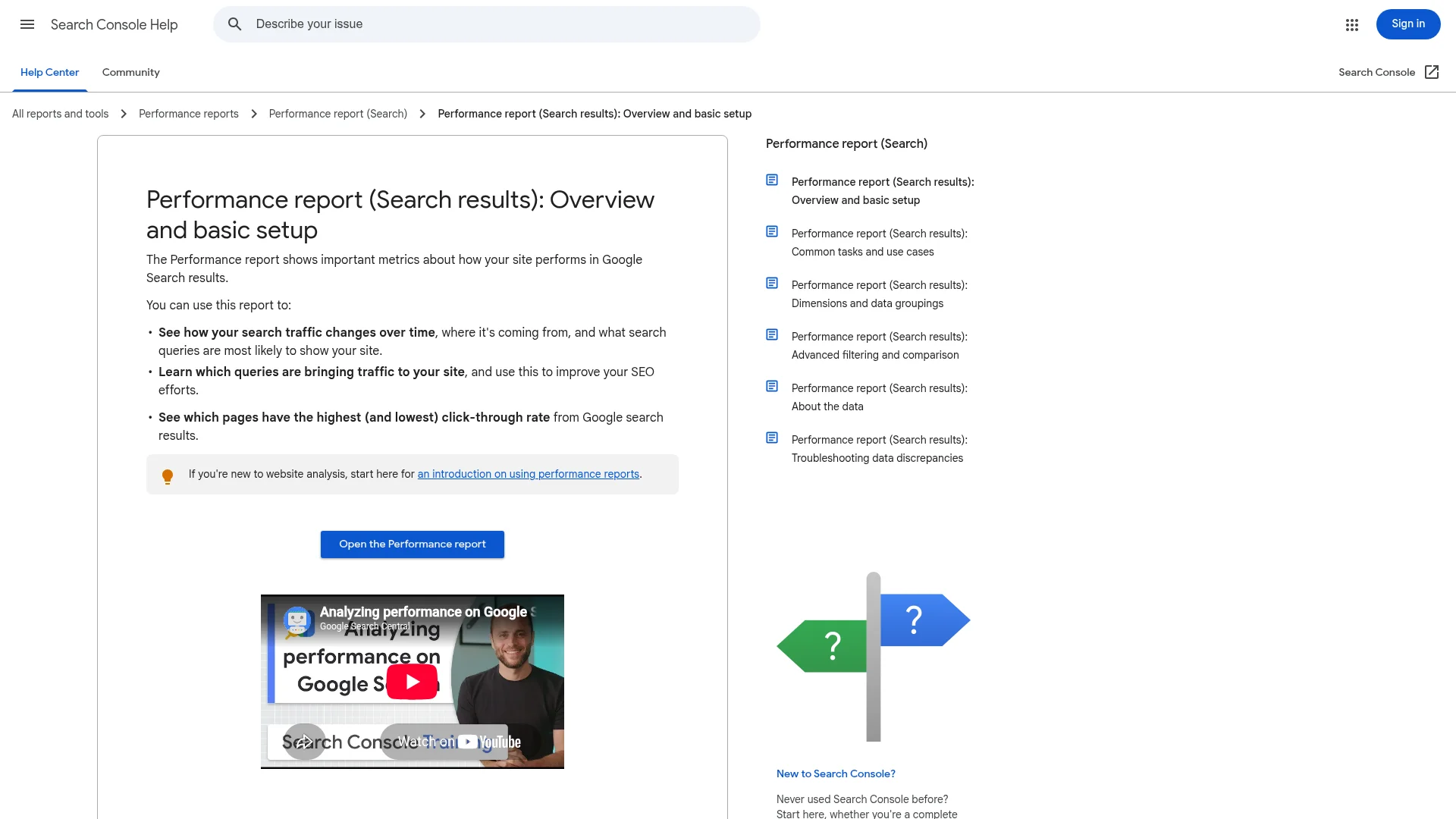
Mistake 6: Not tracking post-publication performance. Publishing and forgetting is a missed opportunity. Check Google Search Console for indexing and ranking data two weeks after publication, then check CTR at four weeks. If ranking enters the top 20 but CTR falls below average, optimize the title and meta description. If ranking stays outside the top 20, improve content depth and internal linking.
Mistake 7: Optimizing only for Google. Google-only optimization is no longer sufficient. A growing share of users find information through ChatGPT, Perplexity, and other AI tools. If your articles are not cited by these platforms, you are missing a fast-growing traffic channel.
What Is the Pre-Publication Quality Checklist for SEO Articles?
Ready-to-Use Prompt: Build a Ranking SEO+AEO Article on the Five Elements
What this does: Turns your keyword into a ranking article by matching search intent first, placing keywords and heading hierarchy, building answer-engine structures (AEO) so it serves Google + AI Overviews + ChatGPT + Perplexity, setting readability + CTA, assembling the six-section structured prompt, and validating against the five ranking elements — avoiding the 88-article graveyard. Based on: SEO Copywriting Prompts: 12 ChatGPT Templates That Actually Rank — https://aiworkflowpro.com/seo-copywriting-prompts/ Time to run: ~5 minutes
Copy this prompt into Claude Code, ChatGPT, or any AI assistant:
ROLE: You are an SEO+AEO copywriting architect. Your job: turn a keyword into a ranking article by embedding the five elements that decide whether AI content ranks, structured so it serves Google AND the AI answer engines (AI Overviews, ChatGPT, Perplexity) simultaneously — avoiding the 88-article graveyard.

CONTEXT — 5-ELEMENT SEO+AEO ARTICLE BUILDER:
Generic "write me an article about X" prompts produce content Google ignores — the author published 100 AI articles, only 12 indexed; the problem was prompts, not the model. Five elements decide whether AI content ranks: keyword placement, heading hierarchy, search-intent match, calls to action, and readability. In 2026 an article must serve four surfaces at once — Google, AI Overviews, ChatGPT, and Perplexity — so SEO and AEO (Answer Engine Optimization) are built in together. The structured prompt has six sections: basic info, SEO requirements, content requirements, format requirements, SEO+AEO requirements, and content differentiation.

INPUTS (fill in before running):
- KEYWORD: YOUR_TARGET_KEYWORD_HERE (the primary keyword + intent)
- TOPIC: YOUR_SUBJECT_HERE (what the article is about)
- AUDIENCE: YOUR_READER_HERE (who it is for)
- SURFACE_PRIORITY: YOUR_TARGET_HERE (Google / AI Overviews / ChatGPT / Perplexity / all)

METHOD — 6 STEPS:

Step 1 — Match search intent (element 3, do it first)
Define the search intent behind KEYWORD (informational / commercial / transactional / navigational) and confirm TOPIC serves it. Intent mismatch is the #1 reason a well-written article never ranks — the 88-article graveyard is mostly intent misses.

Step 2 — Set keyword placement + heading hierarchy (elements 1-2)
Place KEYWORD in the title, H1, first 100 words, an H2, and naturally in body — not stuffed. Build a heading hierarchy (H1 → H2 → H3) that maps the intent; the hierarchy is the article's skeleton and what answer engines parse.

Step 3 — Build for the answer engines (AEO, element for 2026)
Add the structures answer engines extract: a direct answer in the first section (for AI Overviews/Perplexity), an FAQ block with FAQ schema (for ChatGPT/voice), and clear definitional sentences. SURFACE_PRIORITY = all means optimize for all four, not just Google.

Step 4 — Set readability + calls to action (elements 4-5)
Short paragraphs, scannable lists, simple language (readability). Place one relevant call to action aligned to intent. Answer engines and humans both reward readable, complete answers; walls of text get ignored.

Step 5 — Apply the six-section prompt structure
Assemble the generation prompt with the six sections: basic info · SEO requirements · content requirements · format requirements · SEO+AEO requirements · content differentiation. This structure is what turns "AI wrote this" into "AI wrote this and it ranks."

Step 6 — Validate against the 5 elements + multi-surface
Check: (1) keyword placed (not stuffed)? (2) heading hierarchy maps intent? (3) intent matched? (4) CTA present? (5) readable? (6) answer-engine structures present (direct answer + FAQ schema)? Fail any → it is graveyard-bound; fix before publishing.

RULES:
- Match search intent before writing — intent mismatch is the top reason well-written AI content never ranks.
- Build for four surfaces (Google + AI Overviews + ChatGPT + Perplexity), not Google alone — 2026 SEO is SEO + AEO.
- Keyword placement is natural, never stuffed; stuffing gets ignored.
- Use the six-section structured prompt — generic "write about X" is the graveyard pattern.

OUTPUT FORMAT:
Output six sections:
1. **Intent match** — KEYWORD intent + how TOPIC serves it.
2. **Keyword + hierarchy** — markdown table with columns: Placement | Value.
3. **AEO structures** — direct answer + FAQ schema + definitional sentences for SURFACE_PRIORITY.
4. **Readability + CTA** — the readability rules + the intent-aligned CTA.
5. **Six-section prompt** — the full structured generation prompt in a ```text block.
6. **Validation** — markdown table with columns: Element/surface | Pass? (Y/N).
Save as @templates/seo-copywriting-prompts.md and run for every SEO article before you generate it, then re-run when you target a new surface or re-optimize an old post.
Frequently Asked Questions
Will Google penalize AI-written SEO content?
Google's official stance focuses on content quality, not creation method. AI-written content is not penalized by default, but low-quality, mass-produced AI text will be demoted. The key is whether your content genuinely helps users and offers unique value. Always run AI drafts through human review before publishing.
How long does it take to write an SEO article using ChatGPT prompts?
Using structured prompts, the full workflow from keyword research to publication takes roughly 2-3 hours. Keyword research takes about 30 minutes, AI draft generation about 15 minutes, human review and optimization 1-1.5 hours, and formatting plus upload about 15 minutes. Compared to 6-8 hours of fully manual writing, that is a 3x efficiency gain.
What keyword density should I aim for?
Target 1-2%, meaning the primary keyword or its variants appear 1-2 times per 100 words. Write naturally. After finishing a draft, use Ctrl+F to check distribution. If three consecutive paragraphs have zero mentions, or one paragraph has three or more, rebalance.
How do I judge whether an AI-written SEO article is good enough?
Apply two tests. First, the read-aloud test: read the entire article out loud and flag any sentence that sounds robotic or that you would never say yourself. Second, the value test: if you searched for this keyword, would the article fully answer your question? Would you bookmark or share it? Pass both, and quality is on track.
How often should I update SEO articles?
High-priority articles (ranking in the top 20 with steady traffic) deserve quarterly updates. Refresh outdated data, add new findings, and update the published date. Standard articles need a checkup every six months. Search engines reward freshness, so an updated article consistently outranks a stale one of similar quality.
Now You Have the Complete SEO Copywriting Prompt System
The core logic: AI executes; you strategize. Keyword selection, content angle, quality control. Those decisions stay with you. AI's job is to produce efficient first drafts within the framework you define.
SEO in 2026 is not just about Google rankings. It is about optimizing for AI search engines simultaneously. Content that is well-structured and extractable does not just rank higher in traditional search. It gets cited directly by ChatGPT, Perplexity, and Google AI Overviews, opening a traffic channel that did not exist two years ago.
Your Next Move
Pick the highest-traffic keyword on your site. Use the foundation prompt above to write a new article targeting it. Publish, then check Search Console performance at the two-week mark. While you wait, audit five of your existing articles against the quality checklist above and fix the quick wins.
Monitoring a competitor who publishes no feed is the case every RSS guide skips. Twenty-one platforms sorted by which of three jobs they do, and the finished setup is business process automation you own outright, with no seat licence to renew.
Blaming the content is the reflex when a post underperforms, and it is usually the wrong diagnosis. A second reader decides distribution before any human sees the post, and most of what it checks is mechanical enough to automate business processes around, on five platforms at once.
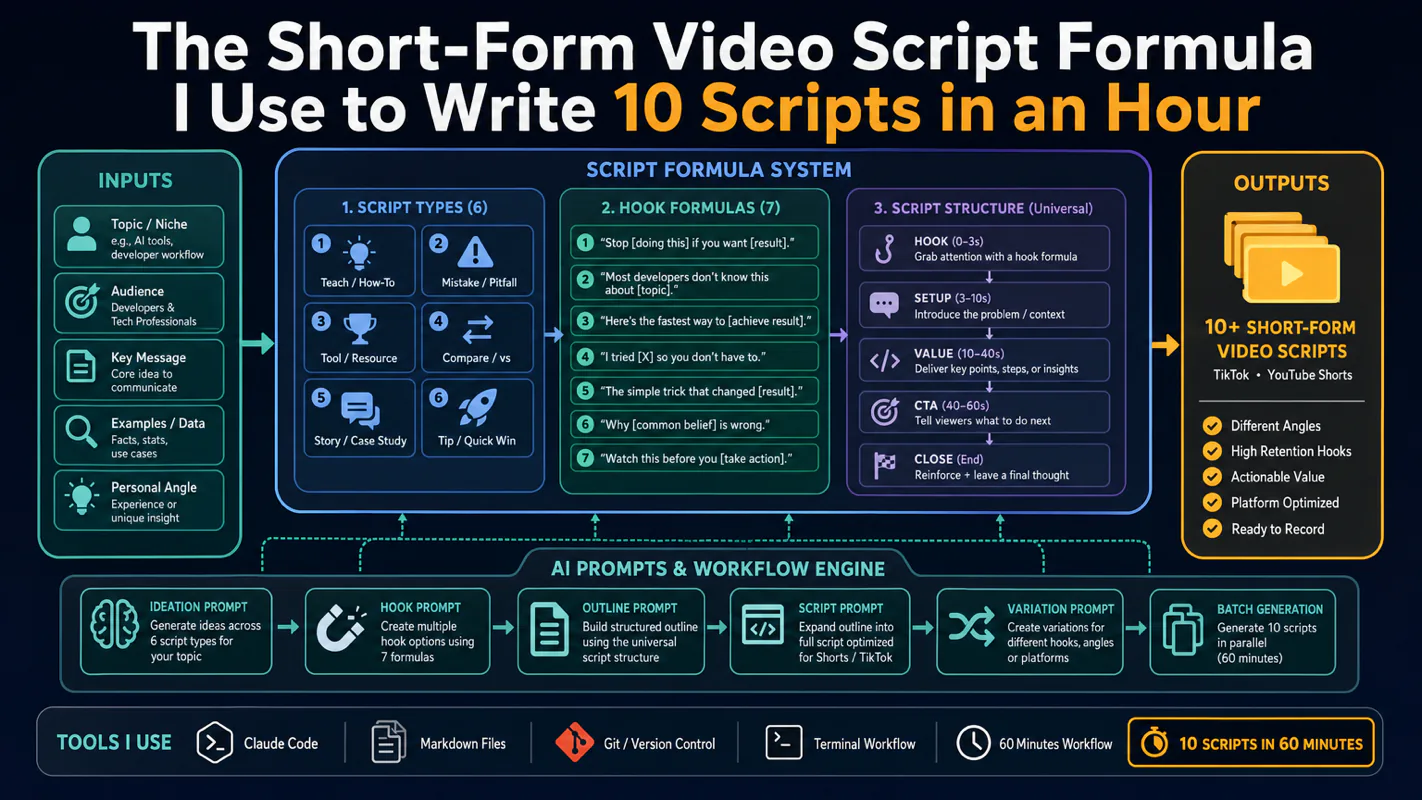
Thursday afternoon, fourteen product ideas, a Monday filming slot, no scripts. Six script shapes and seven hook formulas turn that hour into finished drafts — and the business rule stays: rewrite at least 30% before anything ships.
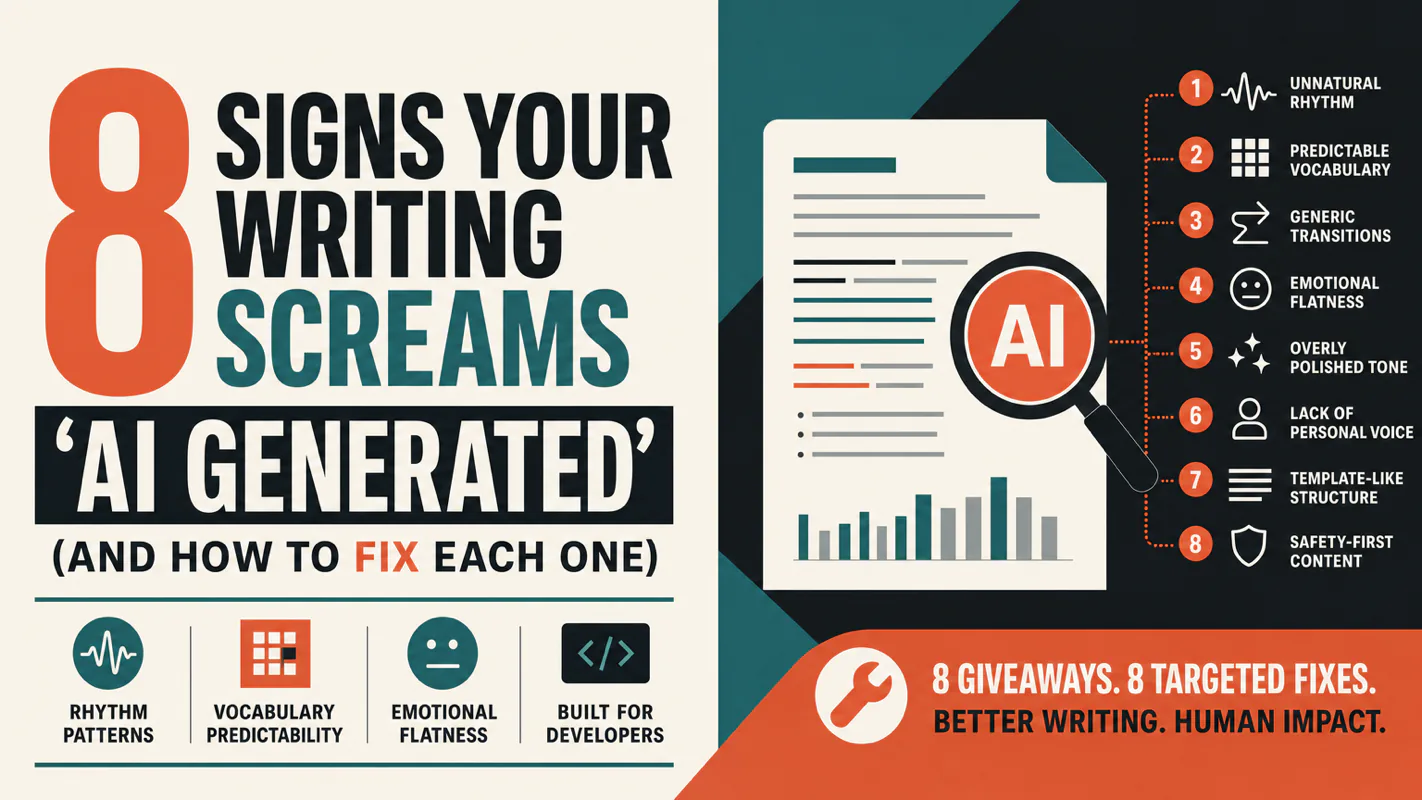
A detector score cannot survive a conversation with the freelancer it just cost three weeks of payment. What holds up is the specific thing on the page: rhythm, vocabulary, missing detail. Eight of them here, and the reason review stays human when you automate business processes.