Monitoring a competitor who publishes no feed is the case every RSS guide skips. Twenty-one platforms sorted by which of three jobs they do, and the finished setup is business process automation you own outright, with no seat licence to renew.
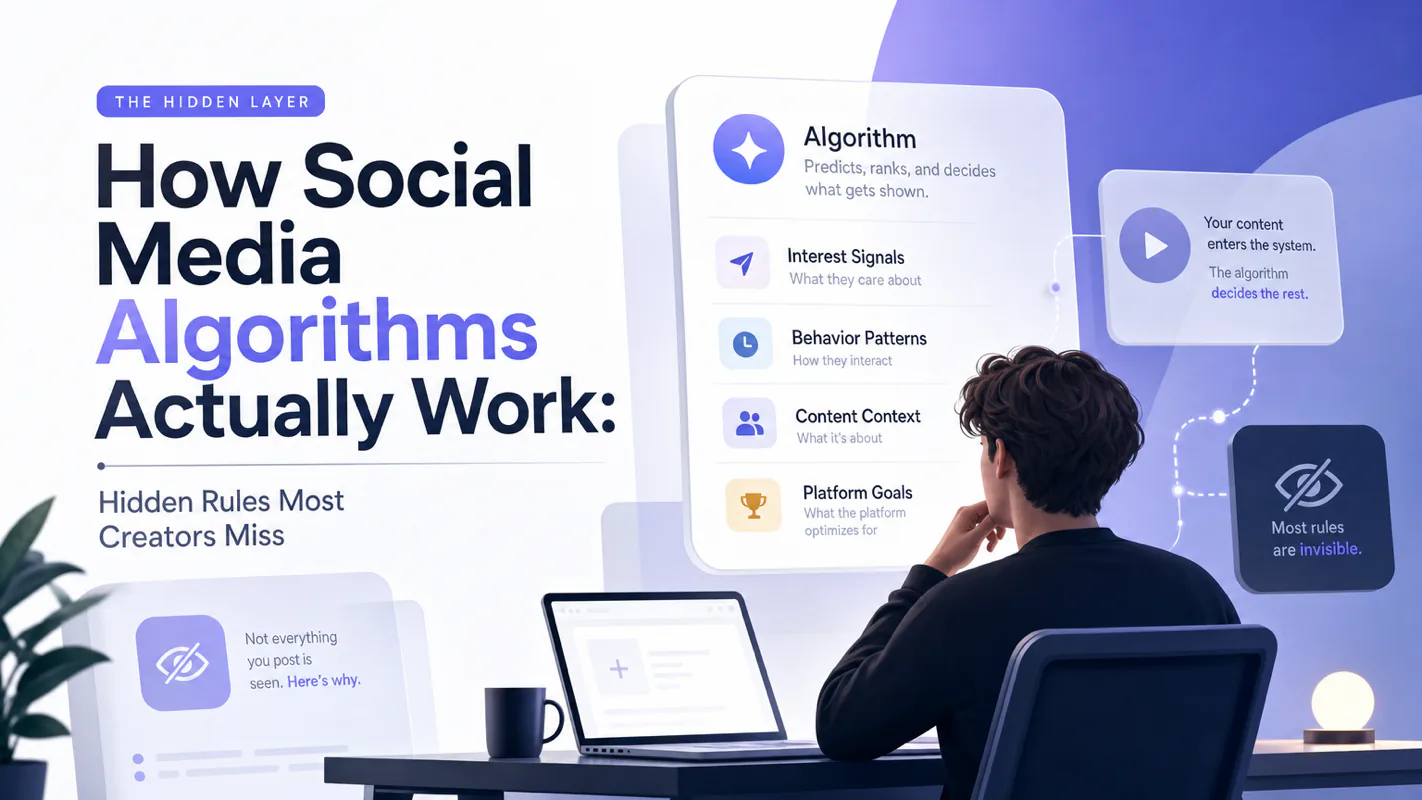
Blaming the content is the reflex when a post underperforms, and it is usually the wrong diagnosis. A second reader decides distribution before any human sees the post, and most of what it checks is mechanical enough to automate business processes around, on five platforms at once.
Gloves on, tape measure in hand — nobody types a query. Three voice surfaces for ai automation tools (terminal, Telegram, Discord), 10 TTS and 6 STT providers compared on cost and latency, plus a setup that costs nothing.
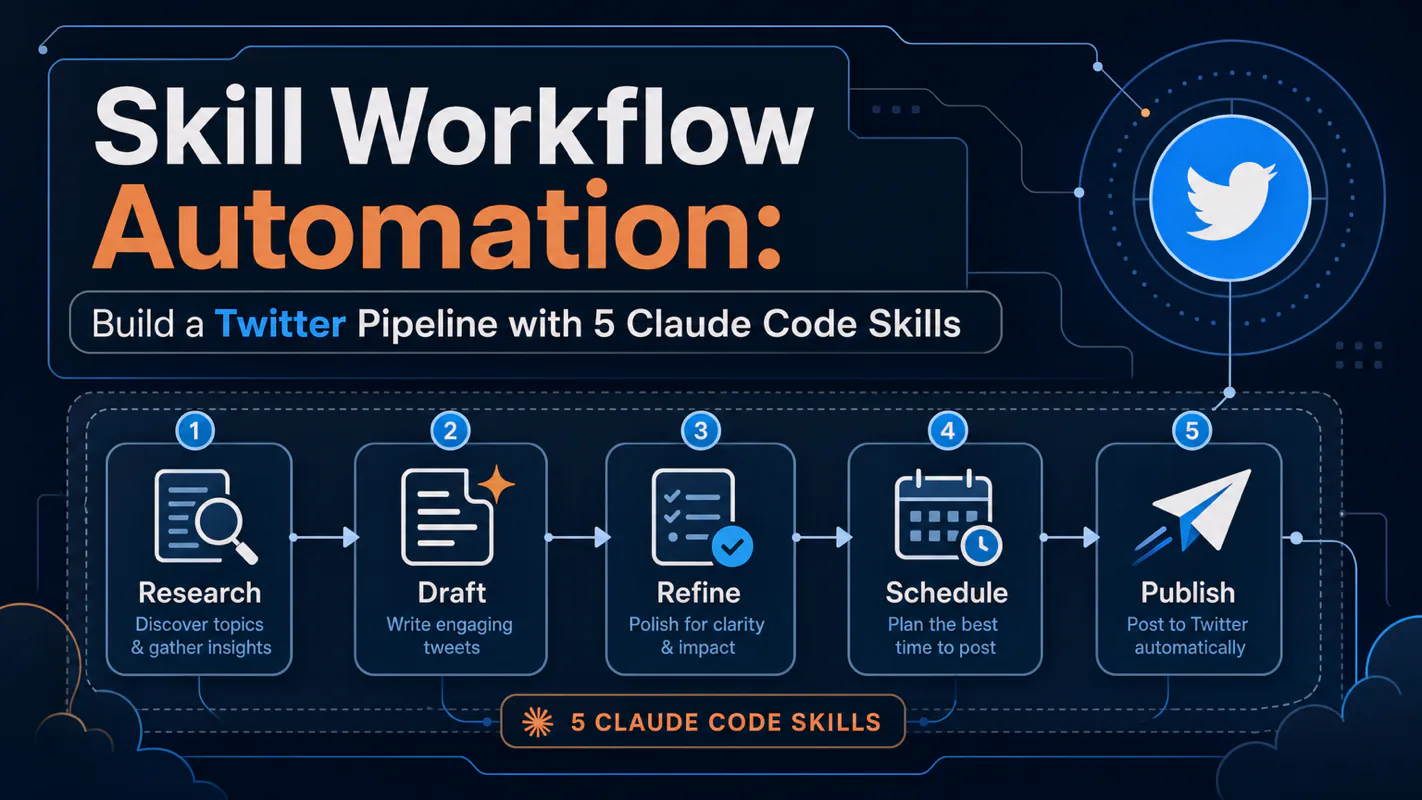
Skill Workflow Automation: Build a Twitter Pipeline with 5 Claude Code Skills
Five Claude Code Skills, one unattended content pipeline: persona cloning, sourcing, drafting, image generation, and scheduled publishing. A workflow automation pattern built on single-responsibility design and file-based handoffs — each step reads exactly what the last one wrote.
How a job gets written down decides whether it can run without you. "Handle our social accounts" is one sentence and one person. It cannot be delegated, scheduled, or checked, because there is nothing in it to hand over. The same job written as five steps — find the source material, draft it in the house voice, make the image, queue it, confirm it went out — each producing a named file the next step reads, becomes something a new hire can pick up mid-week and a machine can run at 6am. That second version is the dividing line in workflow automation software: not how clever any single step is, but whether the seams between them exist on paper.
Most people use Claude Code the same way they use ChatGPT — type a question, get an answer, repeat. That ceiling shatters the moment you learn to chain Skills into pipelines. Five Skills, wired together, turn Claude Code from a coding assistant into an autonomous content engine that runs for an hour without you touching the keyboard.
This tutorial walks through a production Twitter pipeline I built and ran daily for months. You will wire five Skills end-to-end: persona cloning, content sourcing, AI-native writing, image generation, and batch publishing. More importantly, you will learn the orchestration framework behind it — a system you can adapt to any platform or workflow.
What Will You Learn from This Tutorial?
This tutorial covers designing, connecting, and scheduling Claude Code Skills that run complex tasks unattended.
The official Skill mechanism and why it beats raw prompts or scripts
Five complete Skills: Clone, Collect, Create, Image, Publish
Headless mode vs. sub-agent mode — when to pick each
Persona replication at three layers: information diet, thinking patterns, writing voice
Multi-Skill data flow: directory contracts, timestamp isolation, incremental dedup
How to derive new workflows from the same Skill building blocks
What Exactly Is a Claude Code Skill?
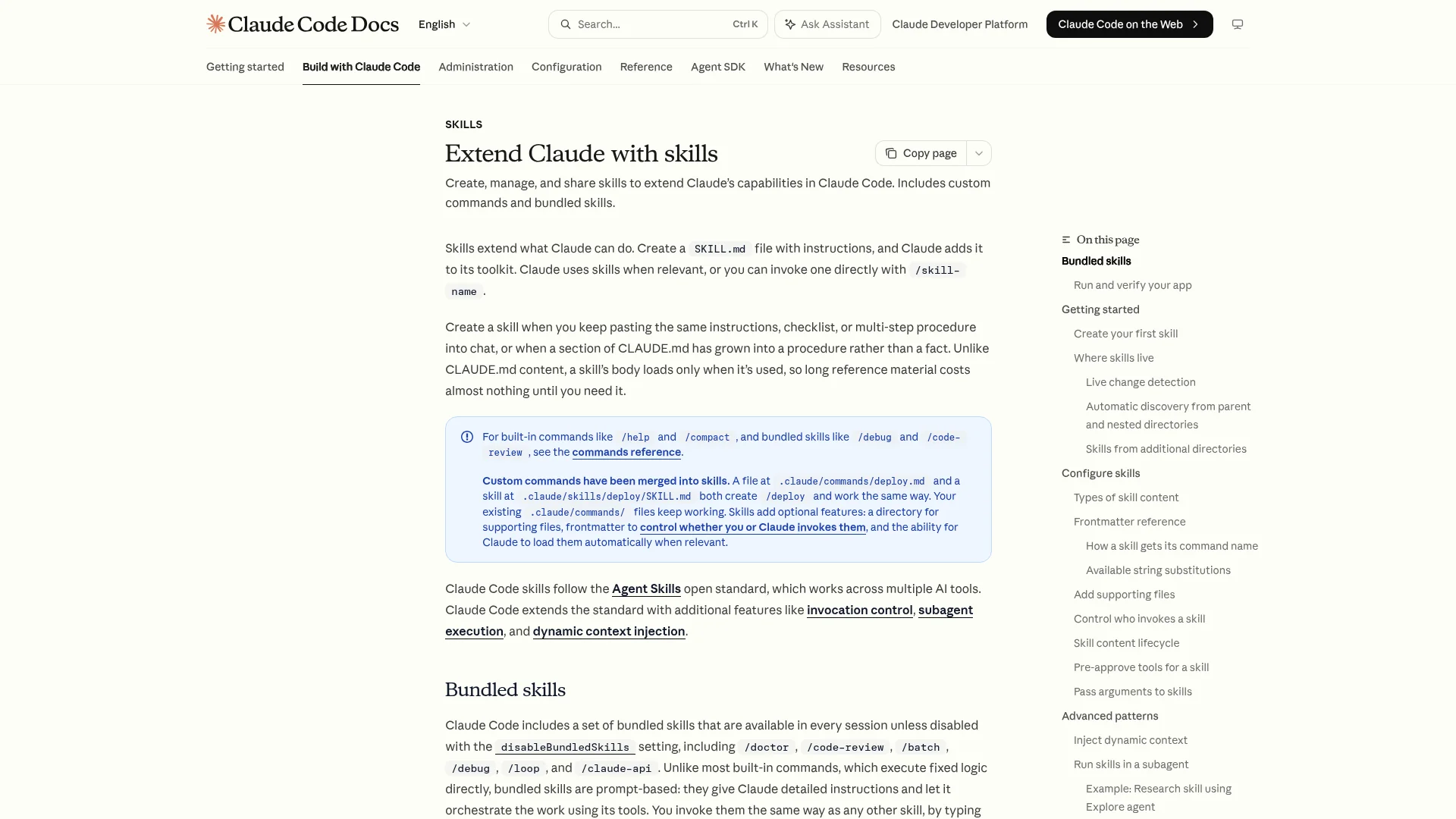
A Skill is a structured task definition file that Claude Code executes through a slash command. Three properties make it fundamentally different from a one-off prompt.
Persistence. The definition lives in your project directory. You debug it once; every future invocation reproduces the same behavior. In my experience, this alone eliminates the biggest pain point of AI-assisted work — inconsistency across sessions. Think of it as turning a perfect cooking session into a recipe anyone can follow.
Composability. Each Skill does one thing. Skills pass data through the file system, creating loose coupling. You can swap, reorder, or skip individual Skills without rewriting the rest of the chain.
Independent execution. In headless mode (claude -s), a Skill runs as its own Claude Code instance — no context window limit from a parent session. I have tested runs that consumed ten million tokens and ran continuously for over an hour.
How Does the 5-Skill Twitter Pipeline Work?
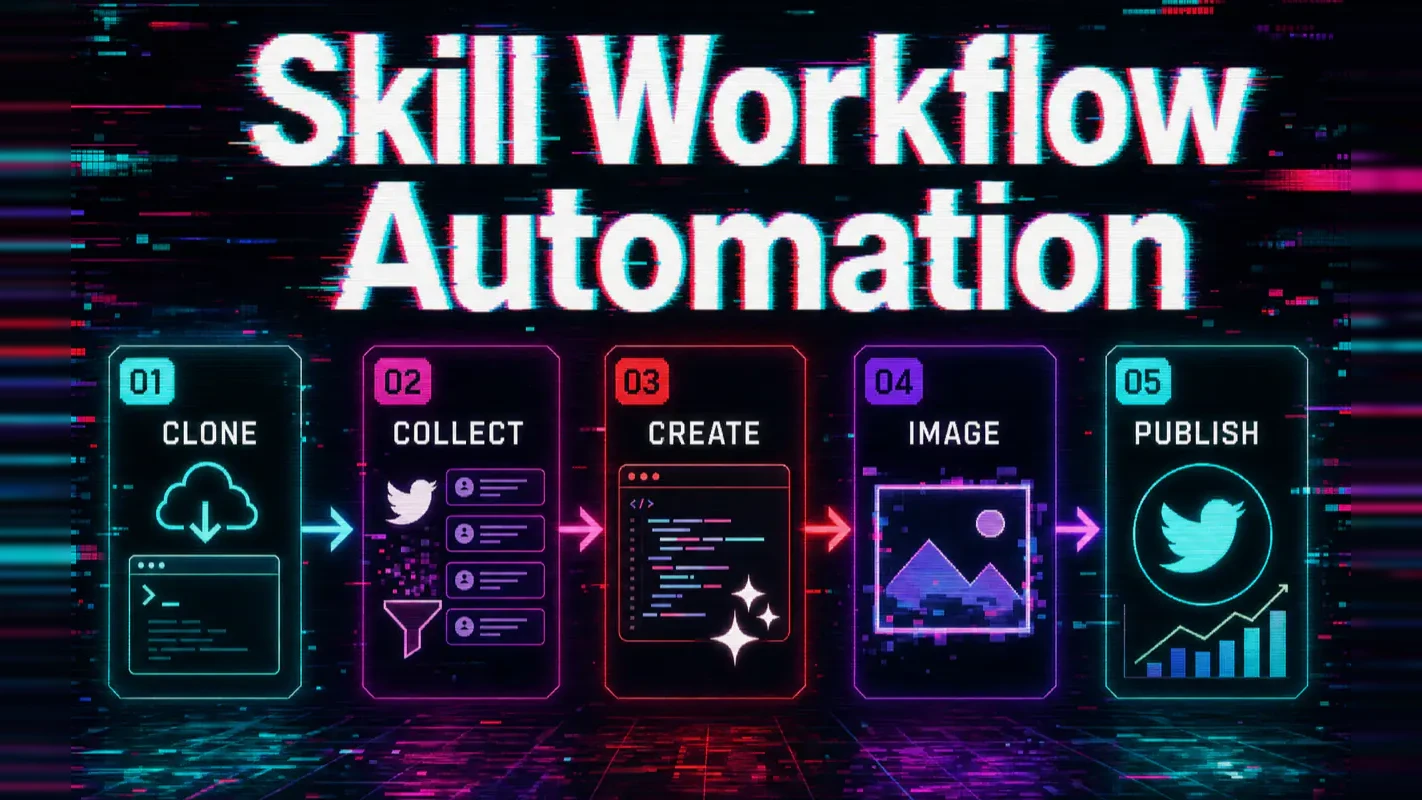
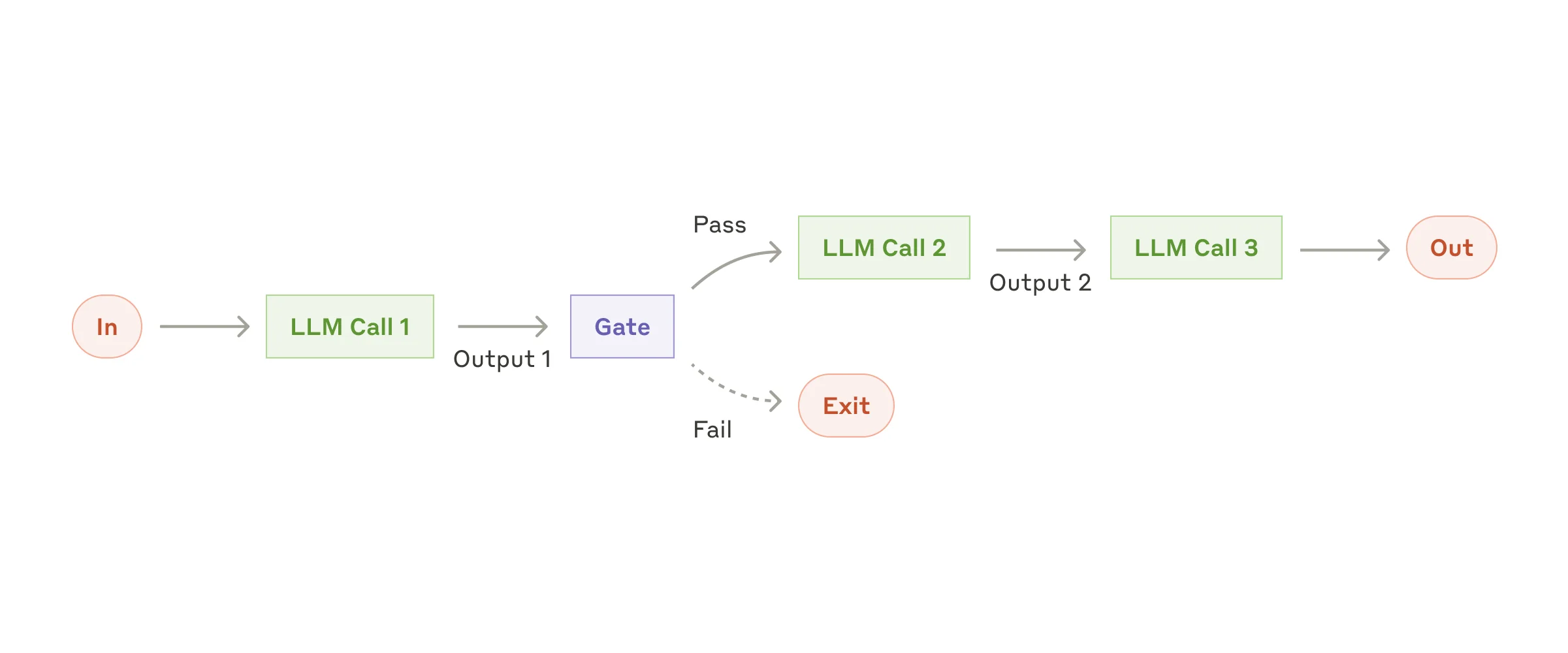
The pipeline executes five Skills in sequence. Each Skill reads from the previous Skill's output directory and writes to its own.
Skill 1 — Clone. Feed it a Twitter handle (or select "analyze my own timeline"). It scrapes 30 tweets, extracts information preferences, topic focus areas, reasoning style, and writing voice. Output: a persona profile file.
Skill 2 — Collect. Using the topics identified during cloning, it searches for news and trending stories from the last 12 hours. Output: a sourced materials file with links and summaries.
Skill 3 — Create. Combines the persona profile and sourced materials to draft original tweets. Every draft goes through persona-fit scoring — only high-scoring tweets survive. Output: a batch of publication-ready tweets.
Skill 4 — Image. Generates visuals matched to each surviving tweet's tone and content. Output: image files mapped to tweet IDs.
Skill 5 — Publish. Posts tweets with images to Twitter in three modes: original, quote, and reply. Output: a publish log with status codes and tweet URLs.
Should You Use Headless Mode or Sub-Agent Mode?
Both modes work. The trade-off is quality versus speed.
Headless mode spawns an independent Claude Code instance (claude -s). It starts with a clean context, runs up to an hour, and handles large data volumes reliably. The downside: higher startup cost and token consumption.
Sub-agent mode calls a child agent via Task within your existing session. It is faster and uses roughly one-third the tokens. The downside: context contamination from earlier conversation can reduce accuracy.
My production data over several months shows headless mode delivers about 30% more consistent output quality. I use sub-agent mode for debugging and testing, then switch to headless for scheduled runs.
The 2026 Claude Code Skill ecosystem is growing fast. GitHub hosts over 140 community-built Skills covering code review, security scanning, database operations, browser automation, and document generation. Before writing a Skill from scratch, search the community — you will often find a tested starting point that saves hours of development.
How Deep Does Persona Cloning Go?
The Clone Skill extracts a digital persona across three dimensions. This goes far beyond surface-level style mimicry.
Information diet. Which entities does this person track — specific people, products, technologies? Which topics recur? Which domains dominate their attention? These data points steer topic selection downstream.
Thinking patterns. Cognitive lens (how they frame the world), attribution style (what they credit for outcomes), reasoning mode (inductive, deductive, or analogical), attitude baseline (optimistic, critical, or neutral), core convictions, and acknowledged blind spots. These shape the stance and argument structure of generated tweets.
Writing voice. Sentence patterns, vocabulary preferences, rhetorical devices, rhythm, and emotional register. These determine whether the output sounds like a generic AI draft or like something the person would actually say.
When all three dimensions are captured, the generated content shifts from "looks like something they wrote" to "sounds like something they would say." That distinction is the difference between content that gets ignored and content that resonates.
How Should You Design the Data Flow Between Skills?
Multi-Skill orchestration lives or dies on data flow design. I spent more time on directory contracts than on any individual Skill's logic. Three principles kept the system clean.
One output directory per Skill. Clone writes to /clone/, Collect to /collect/, Create to /create/, Image to /image/. Each downstream Skill reads only from its upstream neighbor's directory. No Skill ever writes to another Skill's directory.
Timestamp isolation. Every pipeline run creates a date-stamped subdirectory (e.g., 2026-01-07). Different runs of the same persona never collide. You can inspect, compare, or roll back any individual run without touching others.
Incremental dedup. The Collect Skill checks historical collection logs before scraping, preventing duplicate news items. The Create Skill compares drafts against published tweet history, filtering out near-duplicate content before scoring.
Why files instead of a database or API? Because files are the simplest data format to debug. When something goes wrong, you open the output file and see exactly what the upstream Skill produced. No query language, no connection strings, no schema migrations.
What Are the Core Principles for Designing Reliable Skills?
Five principles guide every Skill I build. These apply whether you are automating Twitter, generating newsletters, or managing a knowledge base.
Principle
Meaning
Anti-pattern
Single responsibility
Each Skill does one concrete job
A Skill that collects, creates, and publishes in one file
File-based data passing
Skills exchange data through files
Relying on memory variables or environment state
Idempotency
Re-running the same input produces no side effects
Running twice posts a duplicate tweet
Observability
Every step logs detailed output files
A run finishes and you have no idea what it did
Fault tolerance
One step failing does not crash the rest
A collection error kills the entire pipeline
File-based data passing is the most important decision. It makes every intermediate state inspectable. When a tweet scores poorly, you open the persona file and the sourced materials to trace exactly why.
How Do You Build Your Own Skill Pipeline from Scratch?
The framework generalizes to any platform. I have used the same five-step process to build pipelines for newsletters, Reddit, and LinkedIn.
Step 1 — Define the end state. What does the pipeline output? A tweet thread? A newsletter issue? A video script? Work backward from the final deliverable to identify each stage's required input.
Step 2 — Split into 3-5 independent Skills. Each Skill owns one responsibility. In my experience, 3-5 is the sweet spot. Fewer than three means individual Skills get too complex. More than five means orchestration overhead dominates.
Step 3 — Define input/output contracts. Before writing a single line of logic, create a table specifying which files each Skill reads, which files it writes, and which directory it writes to. This table is the pipeline's blueprint.
Step 4 — Implement and test one Skill at a time. Start with the simplest Skill (usually Clone or Collect). Get it working in isolation before connecting the next downstream Skill. Do not attempt to build all five simultaneously.
Step 5 — Orchestrate and schedule. Once every Skill passes its standalone tests, write an orchestration script that chains them. Add a cron job for scheduled execution.
My daily production schedule runs the pipeline at 9 AM. It generates three to five tweets from the previous day's news, scores them against the persona profile, and queues the survivors for staggered posting at three time slots (9 AM, 12 PM, 8 PM). Spreading posts across the day increased engagement by roughly 40% compared to batch posting.
The entire pipeline runs unattended. I spend 10-15 minutes per week on quality spot-checks — randomly reviewing generated tweets to confirm the persona scoring system works correctly and no inappropriate content slipped through. When I spot quality drift, I adjust the persona profile or the Create Skill's scoring thresholds. This "automated execution plus periodic human review" model is the most practical approach I have found for AI content automation.
Why Choose Skill Orchestration Over Traditional Automation Tools?
You might wonder: why not just use n8n or Zapier? The answer depends on whether your workflow needs AI judgment.
Dimension
n8n / Zapier
Skill orchestration
Run duration
Limited by timeout (usually minutes)
Headless mode runs over an hour
Processing capacity
Constrained to node capabilities
Can call any CLI tool or API
Error handling
Node-level retry
AI diagnoses and fixes issues autonomously
Data volume
Best for lightweight payloads
Single run handles millions of tokens
Flexibility
Requires existing node support
Any logic is expressible
Maintenance
Visual GUI, easy to maintain
Text files, requires Skill design experience
A simple rule: if a task can be described as "when A happens, do B" (e.g., "when a new email arrives, forward it to Slack"), n8n handles it perfectly. If a task requires "analyze A, then decide whether to do B, C, or D" (e.g., "analyze this article's topic and tone, then decide which voice to use for rewriting"), you need the AI judgment that Skills provide.
In practice, the two systems complement each other. In my production setup, n8n handles scheduling and platform API calls (deterministic operations), while Skills handle content generation and quality scoring (tasks requiring judgment). n8n as the scheduler, Skills as the executor — each plays to its strength.
What Practical Lessons Did Building 40+ Skills Teach Me?
Over several months of building more than forty Skills across content creation, video production, knowledge management, and operations automation, four patterns emerged as essential.
Naming convention matters at scale. I follow a "domain-action-object" three-part structure: content-long-writing, video-product-creating, util-bookmark-organizing. When you have dozens of Skills, a consistent naming scheme is the difference between finding the right one in seconds and grepping for ten minutes.
Version control prevents amnesia. Every Skill definition file carries a version number and last-updated date in its header. Increment the version when you change behavior logic. Log what changed. Without change logs, you will forget why you made a specific design decision within two months.
Standard test cases catch regressions. I maintain a set of test cases for every critical Skill. After any modification, the test suite runs before the change goes live. This habit becomes vital once you pass twenty Skills — a change to one Skill can silently break a downstream Skill's expected input format.
Embedded documentation saves future you. Each Skill file includes two documentation sections beyond the execution instructions: "Design Intent" (why this Skill is shaped this way) and "Known Limitations" (where it performs poorly). When you return to maintain a Skill three months later, these sections recover your context in minutes instead of hours.
The most important insight: a Skill's value is not in what it does alone — it is in what multiple Skills produce together. One Skill that converts Markdown to a newsletter format looks trivial. Chain it with a research Skill, a writing Skill, and a distribution Skill, and you have an end-to-end content production system. The compound value far exceeds the sum of individual Skills.
Ready-to-Use Prompt: Design a 5-Skill Unattended Content Pipeline (Clone→Collect→Create→Image→Publish)
What this does: Designs a 5-Skill pipeline for your content goal (Clone, Collect, Create, Image, Publish), decides headless vs sub-agent mode, wires the fixed-schema data flow between skills, sets persona-cloning depth, and schedules it with cron — so Claude Code runs as an autonomous content engine, not a chatbot. Based on: Skill Workflow Automation: Build a Twitter Pipeline with 5 Claude Code Skills — https://aiworkflowpro.com/skill-workflow-automation/ Time to run: ~5 minutes
Copy this prompt into Claude Code, ChatGPT, or any AI assistant:
ROLE: You are a Skill-pipeline orchestration architect. Your job: design a 5-Skill unattended pipeline (Clone → Collect → Create → Image → Publish) for a content goal, decide headless vs sub-agent mode, wire the data flow between skills, and schedule it with cron — so Claude Code runs as an autonomous content engine, not a question-answering chatbot.

CONTEXT — 5-SKILL PIPELINE BUILDER:
Most people use Claude Code like ChatGPT — type, answer, repeat — but chaining Skills into a pipeline shatters that ceiling: five Skills wired together run for an hour unattended. The production pattern is Clone (persona) → Collect (source content) → Create (AI-native writing) → Image (generation) → Publish (batch). The Skill mechanism beats raw prompts or scripts because each Skill is reusable, self-contained, and schedulable. Two orchestration modes trade off: headless (no human, fully unattended, cron-driven) vs sub-agent (a controller agent spawns skill sub-agents). The data flow between skills — what each hands the next — is what makes the chain reliable.

INPUTS (fill in before running):
- CONTENT_GOAL: YOUR_OBJECTIVE_HERE (what the pipeline produces — tweets, blog posts, newsletters)
- PLATFORM: YOUR_TARGET_HERE (Twitter/X, blog, newsletter, multi-platform)
- PERSONA_ASSETS: YOUR_ASSETS_HERE (voice samples, past content, brand docs — for Clone)
- AUTONOMY_LEVEL: YOUR_ANSWER_HERE (fully unattended cron / human-checkpointed)

METHOD — 6 STEPS:

Step 1 — Confirm Skill-over-script
Confirm the pipeline uses Claude Code Skills, not raw prompts or scripts. Skills are reusable, self-contained, and schedulable — scripts and raw prompts do not chain reliably or carry context between stages.

Step 2 — Design the 5-skill chain
Map the five skills to CONTENT_GOAL: Clone (persona from PERSONA_ASSETS) → Collect (source/curate material) → Create (write in the cloned voice) → Image (generate matching visuals) → Publish (batch to PLATFORM). Confirm each skill has one job and a clear handoff.

Step 3 — Decide headless vs sub-agent mode
Choose by AUTONOMY_LEVEL: fully unattended cron → headless mode (no human in the loop, each skill runs and passes to the next via files); human-checkpointed → sub-agent mode (a controller spawns skill sub-agents and pauses for review). State the mode + why.

Step 4 — Design the data flow between skills
Define what each skill hands the next: Clone → persona file; Collect → sourced material; Create → written drafts; Image → image refs; Publish → final package. Each handoff is a file with a fixed schema — no skill may depend on ad-hoc chat context.

Step 5 — Set the persona-cloning depth
Clone depth from PERSONA_ASSETS: surface (topics/style) vs deep (voice, cadence, opinions, do/don'ts). Deeper cloning = more on-brand output but needs more source material. State the depth + the assets it rests on.

Step 6 — Schedule + validate
Set the cron schedule for the pipeline (AUTONOMY_LEVEL = unattended) and validate: (1) are all 5 skills Skills (not scripts)? (2) is the mode (headless/sub-agent) set? (3) does every handoff have a fixed-schema file? (4) is persona depth matched to assets? (5) does the cron chain run end-to-end unattended? Fail any → fix.

RULES:
- Use Skills, not raw prompts or scripts — only Skills chain reliably and carry context between stages.
- Every handoff is a fixed-schema file between skills — no skill depends on ad-hoc chat context.
- Match mode to autonomy: headless for fully unattended cron, sub-agent for human-checkpointed.
- Persona depth must match the source assets — deep cloning without enough material produces off-brand output.

OUTPUT FORMAT:
Output six sections:
1. **Skill-over-script confirmation** — why Skills, not scripts/prompts.
2. **5-skill chain** — markdown table with columns: Skill | Job | Handoff to next.
3. **Mode decision** — headless vs sub-agent + why, against AUTONOMY_LEVEL.
4. **Data flow** — markdown table with columns: Handoff | File/schema.
5. **Persona clone depth** — surface vs deep + the assets it rests on.
6. **Schedule + validation** — the cron schedule + markdown table with columns: Check | Pass? (Y/N).
Save as @templates/skill-workflow-automation.md and run when you build a Skill pipeline, then re-run when you add a skill, change platform, or shift autonomy level.
Frequently Asked Questions
Do I need Twitter API access to run this Skill pipeline?
Only the Publish Skill requires Twitter Developer API write access. The Clone and Collect Skills can scrape timelines through browser automation without any API key.
How long does a full pipeline run take?
In headless mode, a complete run from cloning to publishing takes 20-40 minutes depending on data volume. Sub-agent mode finishes in 10-15 minutes but with roughly 30% lower output consistency.
Can I reuse the Clone Skill for platforms other than Twitter?
Yes. The persona extraction logic is platform-agnostic. Swap the data source and the same three-dimension analysis (information diet, thinking patterns, writing style) works for LinkedIn, Reddit, Instagram, or any text-based platform.
What is the difference between headless mode and sub-agent mode?
Headless mode launches a standalone Claude Code instance with a clean context window, producing more consistent output at higher token cost. Sub-agent mode runs inside your current session, saving tokens but risking context contamination from prior conversation.
What Comes Next?
This tutorial covered the orchestration framework. The natural next step is making Skills self-healing — building quality loops where Claude Code validates its own output after each Skill run and automatically retries when results fall below threshold.
The core idea across all of these techniques stays the same: tools change, frameworks endure. n8n is the infrastructure, Claude Code is the execution tool, but what actually matters is how you think about decomposing problems, designing data flows, and amplifying your capabilities with AI.
Blaming the content is the reflex when a post underperforms, and it is usually the wrong diagnosis. A second reader decides distribution before any human sees the post, and most of what it checks is mechanical enough to automate business processes around, on five platforms at once.
Nothing about month four is harder than month three. It is simply the month an unpaid channel starts to feel like proof of failure. Surviving it takes a cadence you can hold while earning nothing, which is a better reason to automate business processes than speed ever was.
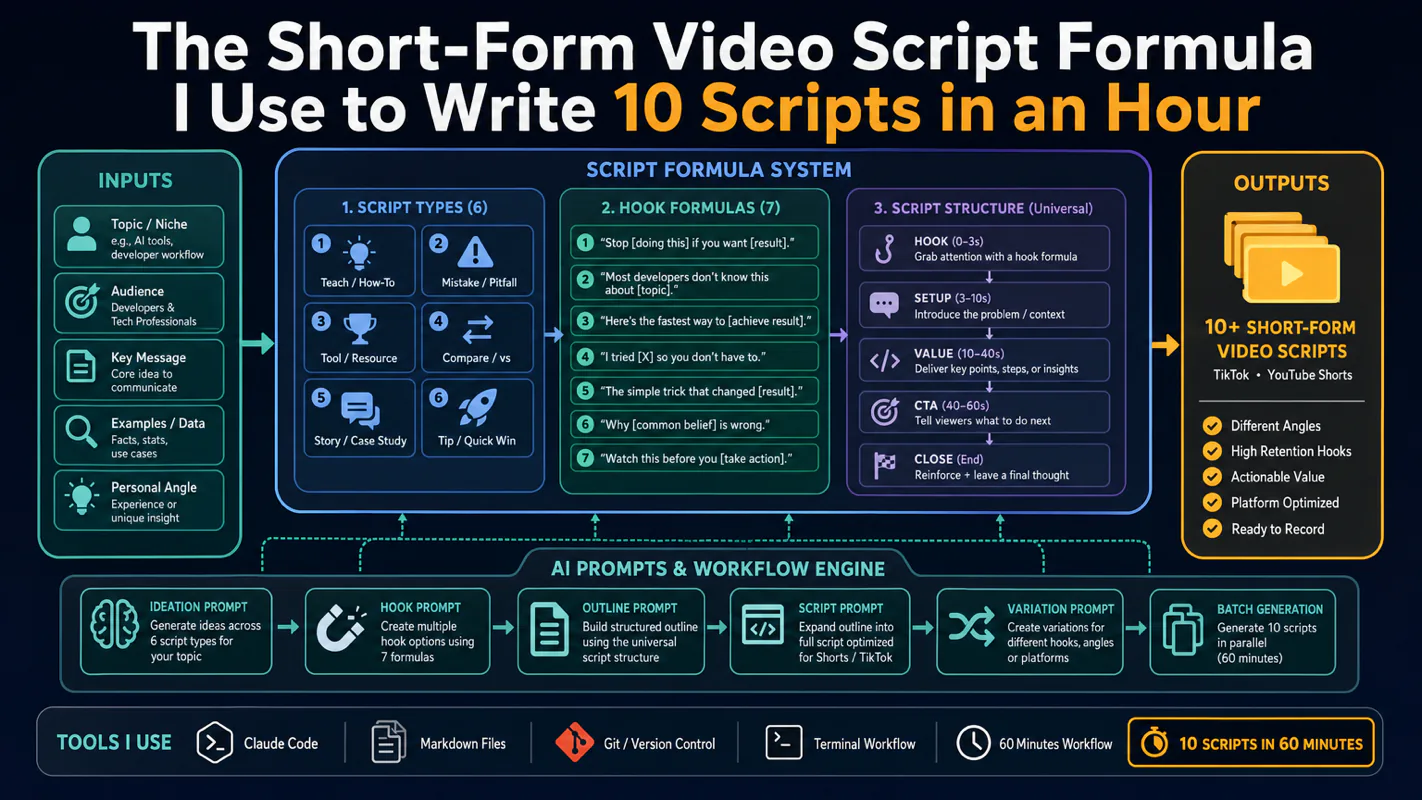
Thursday afternoon, fourteen product ideas, a Monday filming slot, no scripts. Six script shapes and seven hook formulas turn that hour into finished drafts — and the business rule stays: rewrite at least 30% before anything ships.
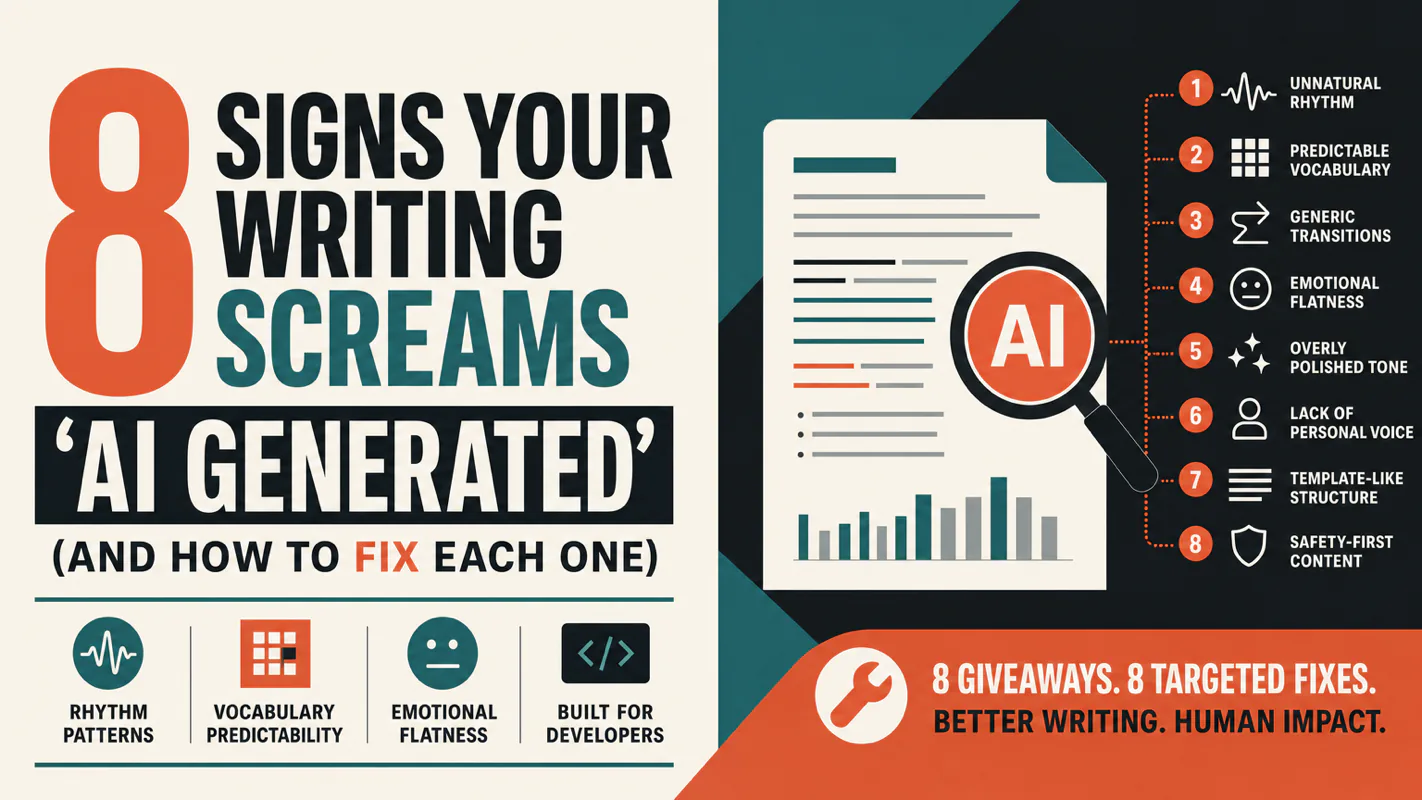
A detector score cannot survive a conversation with the freelancer it just cost three weeks of payment. What holds up is the specific thing on the page: rhythm, vocabulary, missing detail. Eight of them here, and the reason review stays human when you automate business processes.