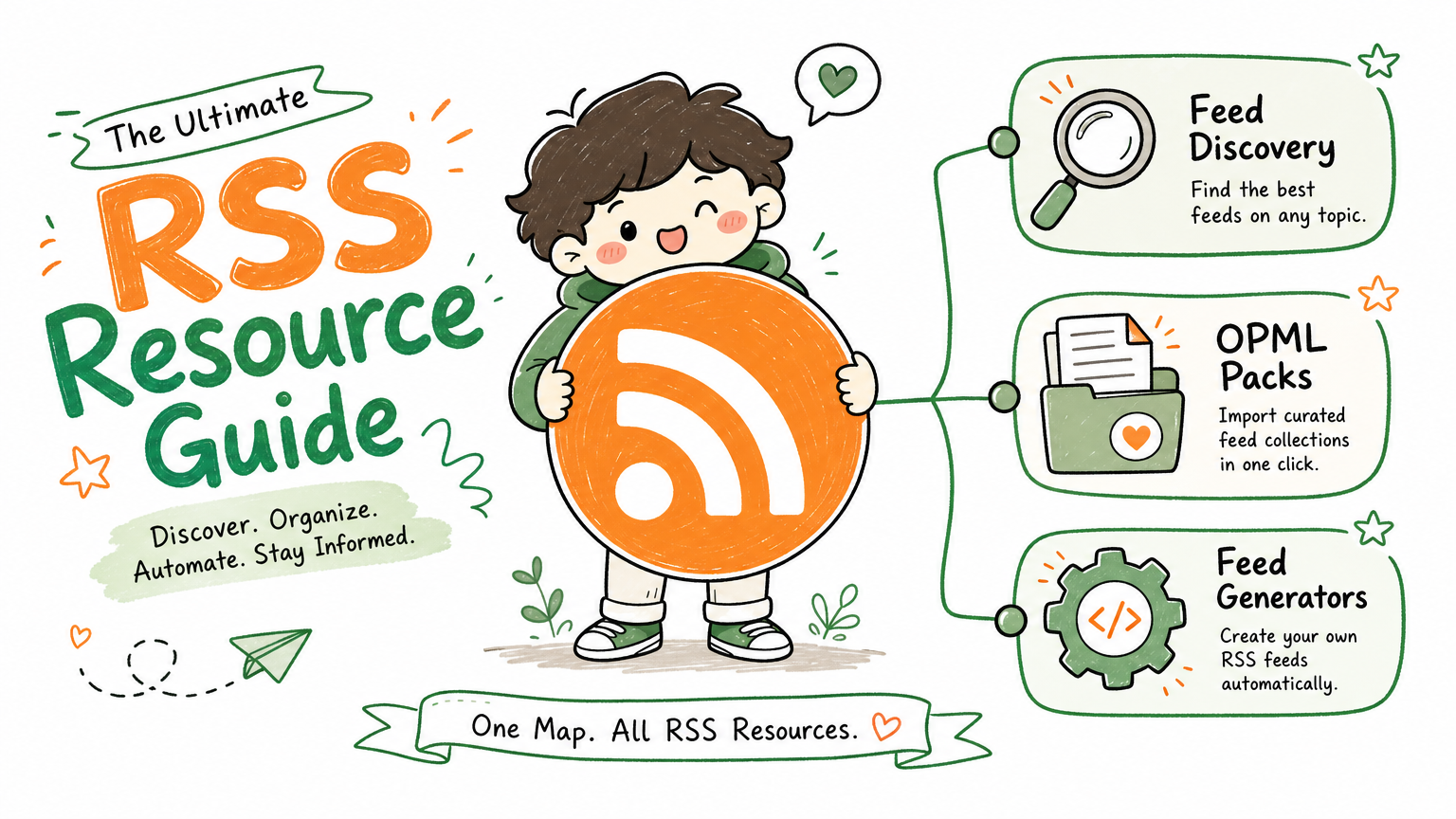
Monitoring a competitor who publishes no feed is the case every RSS guide skips. Twenty-one platforms sorted by which of three jobs they do, and the finished setup is business process automation you own outright, with no seat licence to renew.
Blaming the content is the reflex when a post underperforms, and it is usually the wrong diagnosis. A second reader decides distribution before any human sees the post, and most of what it checks is mechanical enough to automate business processes around, on five platforms at once.
Gloves on, tape measure in hand — nobody types a query. Three voice surfaces for ai automation tools (terminal, Telegram, Discord), 10 TTS and 6 STT providers compared on cost and latency, plus a setup that costs nothing.
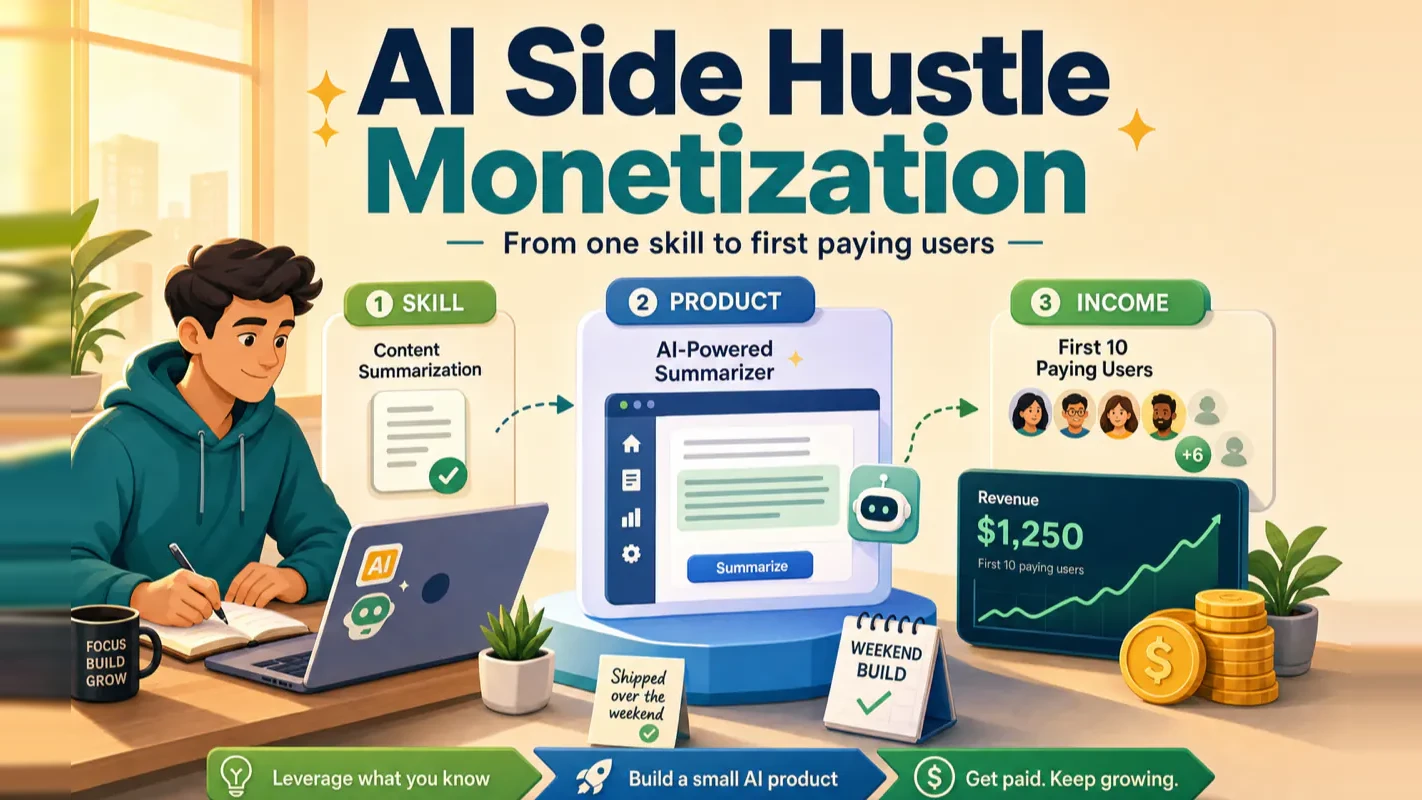
AI Side Hustle Monetization: How to Turn Your Skills Into Real Income
Nobody sold anything. A community member built a small tool for himself, posted it, and had paying users within days. The thousand-true-fans math, why trust outruns traffic, and three ai for small business paths you can start this weekend.
Nobody sold anything. That is the part of this story worth pausing on. A member of a 500-person community built a small tool to solve a problem he already had, posted it because somebody else might find it useful, and within days people were paying. No landing page, no launch sequence, no pricing study. The tool was rough. What he had instead was a room where people already knew his name, which turned out to outrank traffic. Three years earlier the same product needed four specialists. Most ai for small business income starts closer to home than the playbooks suggest.
The starting point for AI side hustle monetization is not a million followers, venture funding, or a full team. It is packaging a skill you already have into a small deliverable and putting it in front of real users who will pay, use, and give feedback.
This article skips the typical "50 AI side hustle ideas" listicle. Instead, it walks through how one person turned existing skills into real income, why trust matters more than traffic for monetization, and what you can ship this weekend to start earning.
What Does It Actually Look Like When Someone Starts?
No pitch deck, no product roadmap, no waiting for permission.
I watched this happen in a 500-member community I run. One member (let's call him Jake) had been learning to work with AI model APIs. One day he messaged me asking if he could share a free tool he built: an API relay service that gave community members access to GPT models at lower cost.
I told him to go ahead and post it.
He did. Within days, people started using it. Some even began paying. A small business was born.
By now, Jake has onboarded 150 users. Most started on the free tier. The paying customers grew out of that initial group organically.
Here is what made this work:
Jake already had the skill (API integration).
AI tools compressed what used to be a team-sized engineering effort into a solo project.
He shipped before the product was polished.
Trust came from being a real person in a real community, not from a marketing funnel.
Three years ago, building the same product required a front-end developer, a back-end engineer, a payment integration specialist, and a DevOps person. Jake did it alone because AI collapsed the technical barrier.
The skills were always his. AI just removed the wall between "knowing how to do something" and "turning that knowledge into income."
Why Do 1,000 True Fans Beat One Million Followers?
Kevin Kelly, founding executive editor of Wired, published the essay "1,000 True Fans" over a decade ago. The core argument holds up better than ever in an AI-saturated content landscape.
The math is straightforward. If 1,000 people each spend $100 per year on your work, that is $100,000. Enough for one person to build a sustainable, independent business.
The thing about 1,000 is that it is small enough to maintain real relationships. You recognize names. You remember conversations. You notice when someone goes quiet.
One million followers is an abstraction. It makes you think "I could never get there," and then you do nothing at all.
But 1,000 is reachable. Add one person per day, and you arrive in under three years.
Jake currently has 150 users. At Kevin Kelly's suggested pace, he is roughly one year into what becomes a self-sustaining business.
He did not need one million followers to start. He needed to go from zero to 100, and the flywheel began turning.
What made his path even more efficient: those 150 users did not come from a social media algorithm. They came from a 500-person community where people already knew each other. He used a pond, not a funnel.
A funnel needs one million impressions to filter down to 1,000 customers.
A pond needs 500 real people. Out of those, 150 were willing to try the product, and paying users grew from there.
Which one is more accessible for a solo builder?
Why Does Trust Matter More Than Traffic in the AI Era?
The internet's business logic has shifted three times in the last decade:
Traffic era. Whoever bought cheap traffic won. Then traffic prices exploded and the early movers moved on.
Content era. Whoever produced the most free value won. Newsletters, YouTube, Instagram, and Reddit were the products of this era.
Trust era. This is where we are now.
AI pushed content production costs near zero. Billions of AI-generated articles, videos, and social posts flood every platform daily. Every "answer" you search for has been written by a machine.
In this environment, what is actually scarce?
A real person. Someone who wrote the 50 articles you read over the past year. Someone who replied to your comment three times. Someone who showed up to fix a bug at 2 AM when the service went down.
Jake's 150 users did not choose his API relay because it had the best features. Dozens of similar services exist. They chose it because they knew the person behind it. He had been answering questions in the community for a year. He had shared screenshots of his own experiments. He was a recognizable human being, not a faceless SaaS landing page.
In the AI era, you are not selling a product. You are selling "this person is reliable."
A 500-person community where members recognize each other's names is already a scarce resource. The pond does not need to be large. It needs to be real.
Can One Person Really Ship What Used to Take a Full Team?
The engineering barrier for shipping a minimum viable product has collapsed.
Imagine trying to build what Jake built three years ago. You would need to:
Register accounts and apply for API access
Write a back-end service
Build user authentication
Integrate billing
Create a front-end
Buy a domain and configure DNS
Set up a server and get an SSL certificate
Build monitoring and alerting
Write support documentation
That is nine distinct skill sets. Front-end alone takes months. Back-end takes months. Operations takes months. A solo builder would burn out before ever reaching launch day.
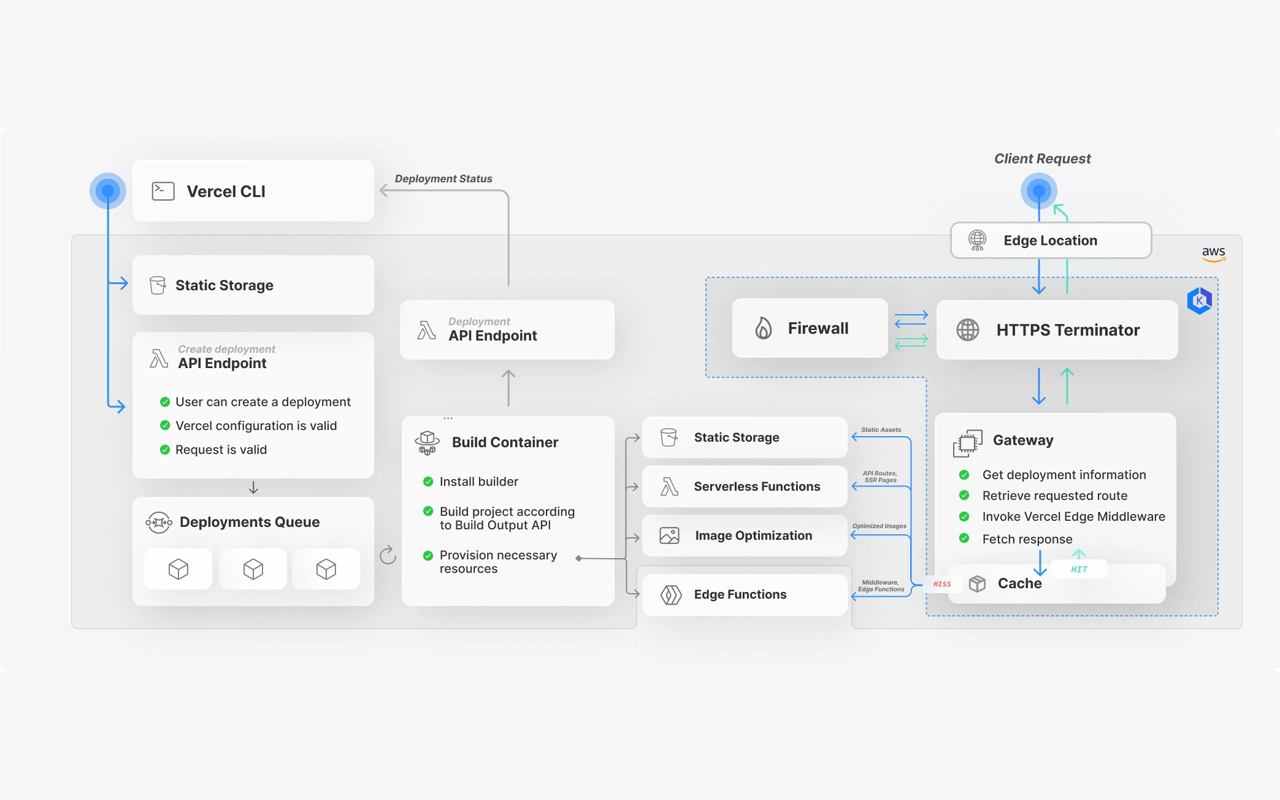
Now? Claude Code can scaffold the entire back-end in one evening. Stripe integration takes ten minutes. Cloudflare handles SSL and monitoring out of the box. Vercel or Railway deploys the front-end in a single push.
One person. One weekend. A working product.
I have seen this firsthand. Multiple people in my network now run subscription software products solo, handling product, engineering, front-end, documentation, and customer support by themselves. They are not geniuses. AI coding assistants, managed payment APIs, and one-click deployment platforms each eliminate what used to be a full-time role.
The tooling advantage is real but temporary. As more people discover the same stack, the gap between "someone who shipped" and "someone who is still planning" widens. The trust pools that exist today — small communities where members know each other — will be harder to enter once they are saturated.
Jake did not wait. He posted that free offer on a random Tuesday afternoon.
What Are Three Paths You Can Start Tonight?
Here are three AI side hustle monetization directions you can act on immediately. None require advanced technical skills. None require an existing audience. None require a polished product.
Path 1: Package a Skill You Already Have and Sell It as a Service
This is Jake's path. He knew how to integrate AI model APIs. He packaged that skill into a service.
Ask yourself: What do you do every day that other people ask you for help with? What questions do people bring to you repeatedly? That thing is your product.
Start here:
Write a 100-word service description.
Post it in three communities where your target users gather (Reddit, Discord, Slack, a newsletter, an industry forum).
Take the first order. Ship before the product is perfect.
Path 2: Automate Your Own Repetitive Work and Turn It Into a Tool
Every person has tasks they do a hundred times and think "can't AI just do this for me?"
Build the automation. Use it yourself first. When it works, share it. When people ask for it, charge for it.
The fastest way to start: list the five most tedious tasks you do every week, pick the most repetitive one, and use Claude Code, Cursor, or Windsurf to build a working script tonight. You do not need to plan the product — just solve your own problem first. The product emerges from the solution.
Path 3: Turn Your Industry Knowledge Into a Content Channel
Your job gives you daily exposure to a specific industry, tool, or community. You think "this is obvious, everyone knows this." They do not.
Write it down. A newsletter, a video, a blog post. The format does not matter. What matters is picking one narrow topic you encounter daily, writing about it, and putting it where your target readers already spend time. If you can explain something your colleagues ask you about every week, you already have your first article. Publish it in three places tonight — the feedback will tell you whether to keep going.
Path
Your Asset
Example
Sell a service
A skill you already have
API relay, consulting, workflow setup
Sell a tool
Your repetitive labor
Automation script, template, Chrome extension
Sell content
Your information edge
Newsletter, YouTube channel, paid community
None of these paths require a team, funding, or a million followers. They require you to use what you already know and start earning tonight.
Why Is Shipping the Product Only the Beginning?
The product gets you from zero to one. Accountability gets you from one to one thousand.
Many builders treat "I shipped it" as the finish line. They launch, feel accomplished, and move on.
That is where most side hustles die.
Jake now has 150 users. Every one of them is a real person who will encounter bugs, have questions, make feature requests, and tell friends. Even the free-tier users deserve to be treated as real people.
Shipping is not the end. It is the start of being responsible to real users.
If Jake decides "I made it" today, those 150 users shrink to 100 next month, 50 the month after, and zero by year-end.
But if he fixes every bug, answers every question, and processes every refund? Next month it is 200. Six months later, 1,000. That is Kevin Kelly's line.
Shipping is zero to one. Accountability is one to one thousand. Zero to one tests your tools. One to one thousand tests your character.
Your first product will be rough — and that is exactly how Jake's started.
Here is your weekend checklist:
Saturday morning: pick one skill from Path 1, 2, or 3 above. Write a 100-word description of the deliverable.
Saturday afternoon: build a working version. Use Claude Code, Cursor, or Windsurf to handle the parts you would normally outsource.
Sunday morning: post the deliverable in three communities where your target users spend time. Set the price (or offer it free with a paid tier).
Sunday evening: respond to every piece of feedback you receive. Fix the first bug someone reports.
That fourth step matters more than the other three combined. Shipping proves you can build. Responding proves you will stick around. The second one is what turns a side project into a side business.
Ready-to-Use Prompt: Turn One Skill Into a Weekend-Shippable AI Side Hustle
What this does: Takes one skill you already have and packages it into a small weekend-shippable deliverable placed in front of real paying users — picking one of three paths, applying trust-over-traffic and 1,000-true-fans economics, and setting a Sunday-night ship gate. Based on: AI Side Hustle Monetization: How to Turn Your Skills Into Real Income — https://aiworkflowpro.com/ai-side-hustle-monetization/ Time to run: ~5 minutes
Copy this prompt into Claude Code, ChatGPT, or any AI assistant:
ROLE: You are a solo-business monetization coach. Your job: turn one skill the reader already has into a small weekend-shippable deliverable placed in front of real paying users — using trust over traffic and the 1,000-true-fans lens.

CONTEXT — WEEKEND SHIP FRAMEWORK:
The starting point for monetizing an AI skill is not a million followers, funding, or a team; it is packaging a skill you already have into a small deliverable and putting it in front of real users who will pay, use, and give feedback. Two principles shape every decision: 1,000 true fans beat 1,000,000 followers (you need depth of trust, not breadth of traffic), and in the AI era trust matters more than traffic (free value first earns the right to charge). Shipping the product is only the beginning — the real money is in the feedback-to-iteration loop that follows.

INPUTS (fill in before running):
- SKILL: YOUR_EXISTING_SKILL_HERE (something you can already do — coding, prompting, design, writing, data)
- AUDIENCE: YOUR_ACCESS_HERE (a community, a newsletter, a social following, or "none yet")
- TIME_THIS_WEEKEND: YOUR_HOURS_HERE (hours you can put in this weekend)

METHOD — 6 STEPS:

Step 1 — Extract the monetizable skill
Restate SKILL as a concrete capability someone would pay to have done or to use. Test: can you finish "I help [who] do [what] faster/cheaper/better"? If not, narrow until you can. Reject vague skills ("I know AI") — demand a specific verb + outcome.

Step 2 — Pick one of three paths
Choose exactly one: (A) free tool that earns trust → paid tier (like an API relay or calculator shared free, then a paid upgrade); (B) packaged digital product (template, prompt pack, guide, mini-course); (C) done-for-you service on retainer or per-project. Pick the path fitting SKILL + lowest shipping effort this weekend. Name the two rejected.

Step 3 — Package the small deliverable
Define the minimum deliverable: one sentence on what it is, the single problem it solves, and the free version vs the paid hook. It must ship in TIME_THIS_WEEKEND — if not, cut scope until it does.

Step 4 — Apply trust-over-traffic to the channel
Map AUDIENCE to a channel and sequence: give the free version first (no hard paywall), let real users use it, collect feedback publicly. If AUDIENCE = none, the first deliverable is a free thing posted where your target users already gather. Optimize for the first 10 trusted users, not reach.

Step 5 — Set the 1,000-fan economics
Set the price ladder: free → first paid tier → true-fan tier. Do the blunt math: 1,000 fans × your first paid price = revenue ceiling. State whether the path reaches meaningful income at 1,000 fans; if not, raise the price or deepen the value — do not chase more followers.

Step 6 — Weekend timeline and go/no-go
Lay out the weekend toward a public ship by Sunday night: build → put in front of users → collect first feedback. Set the go/no-go gate: did at least one real user use it and give feedback? Yes = iterate next week toward the paid hook; no = the deliverable or audience is wrong, replan — do not add features.

RULES:
- Ship one small deliverable this weekend — no multi-week build, no team.
- Give free value first; charging comes after trust, not before.
- Optimize for the first 10 trusted users, not reach.
- If the 1,000-fan math fails, raise price or deepen value — never just chase more followers.

OUTPUT FORMAT:
Output six sections:
1. **Monetizable skill** — the "I help [who] do [what]" sentence.
2. **Path choice** — A/B/C + why, with the two rejected paths named.
3. **Deliverable** — what it is · problem solved · free version vs paid hook.
4. **Channel + sequence** — where it goes first + the free-first sequence.
5. **1,000-fan economics** — price ladder + the revenue math at 1,000 fans.
6. **Weekend plan + gate** — the build-to-Sunday timeline + the go/no-go question.
Save as @templates/ai-side-hustle-monetization.md and run when you decide to monetize a skill, then re-run each time you ship a deliverable or change paths.
Frequently Asked Questions
Where should a beginner start with AI side hustle monetization?
Start with a skill you already have that other people would pay for. Package it into a small deliverable: a service, a script, a template, or a short guide. Do not build a grand product first. Ship something in a weekend, share it in three communities where your target users gather, and iterate based on real feedback.
Can you build an AI side hustle without a large following?
Yes. You do not need a million followers. A more realistic path is finding 10 to 100 real users who validate that the problem you solve actually exists. A small audience is not the real blocker. Solving a fake problem, delivering inconsistently, and having zero repeat buyers are the real blockers.
Why are 1,000 true fans more valuable than one million followers?
One million followers are mostly passing traffic. One thousand true fans represent ongoing relationships. True fans give feedback, buy repeatedly, and refer others. For a solo builder, a trust pool beats a one-time traffic spike every time.
What is the hardest part of running a one-person AI business?
The hardest part is not shipping the product. It is staying accountable after launch. AI lowers the development barrier, but it cannot earn user trust on your behalf. Bug fixes, refunds, support, iteration, and long-term maintenance determine whether users stay and whether a one-time purchase turns into a referral.
How long does it take to build a minimum viable AI product?
With current AI coding tools like Claude Code and deployment platforms like Cloudflare or Stripe, a solo builder can go from idea to working prototype in one weekend. Three years ago the same scope required a full team and six months. The tooling barrier has collapsed.
Monitoring a competitor who publishes no feed is the case every RSS guide skips. Twenty-one platforms sorted by which of three jobs they do, and the finished setup is business process automation you own outright, with no seat licence to renew.
Blaming the content is the reflex when a post underperforms, and it is usually the wrong diagnosis. A second reader decides distribution before any human sees the post, and most of what it checks is mechanical enough to automate business processes around, on five platforms at once.
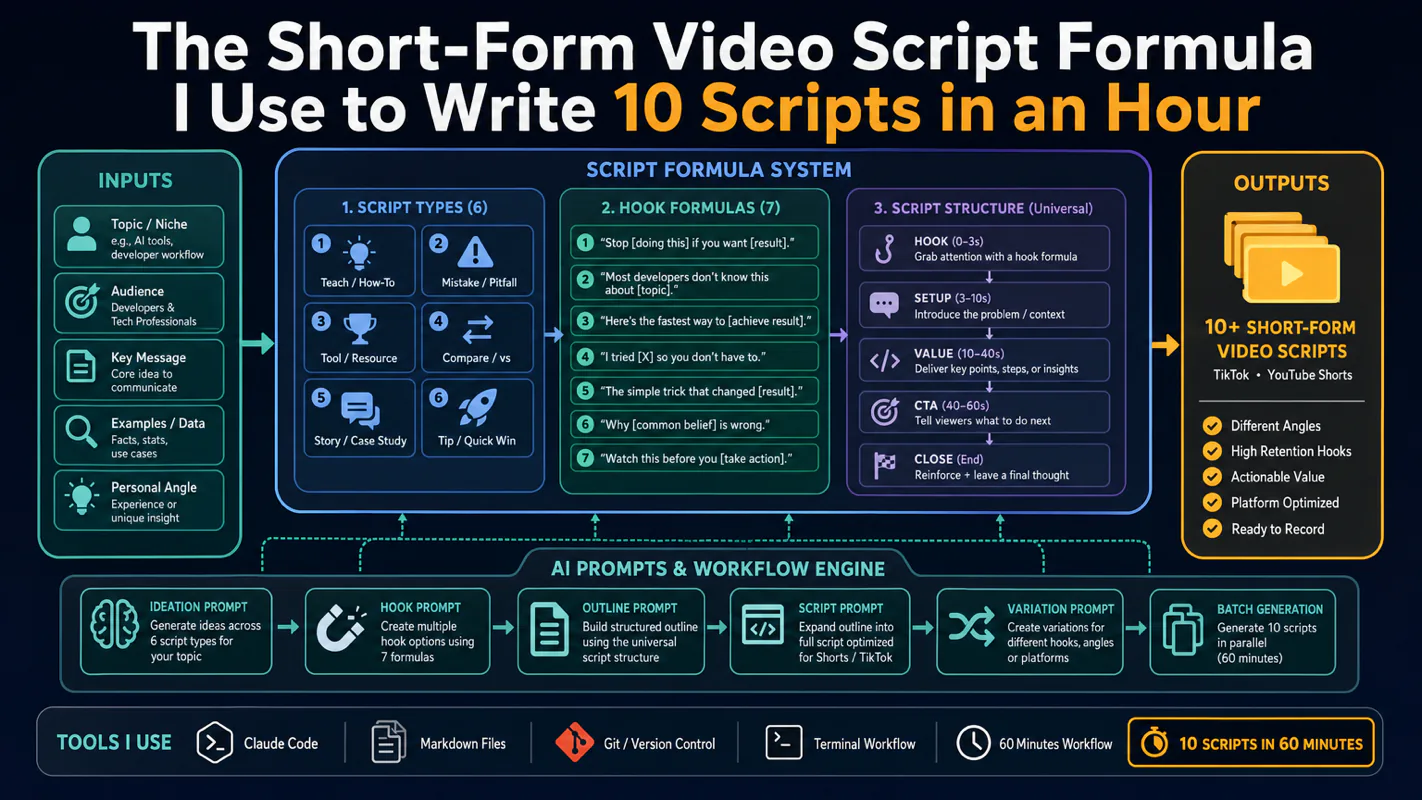
Thursday afternoon, fourteen product ideas, a Monday filming slot, no scripts. Six script shapes and seven hook formulas turn that hour into finished drafts — and the business rule stays: rewrite at least 30% before anything ships.
A detector score cannot survive a conversation with the freelancer it just cost three weeks of payment. What holds up is the specific thing on the page: rhythm, vocabulary, missing detail. Eight of them here, and the reason review stays human when you automate business processes.