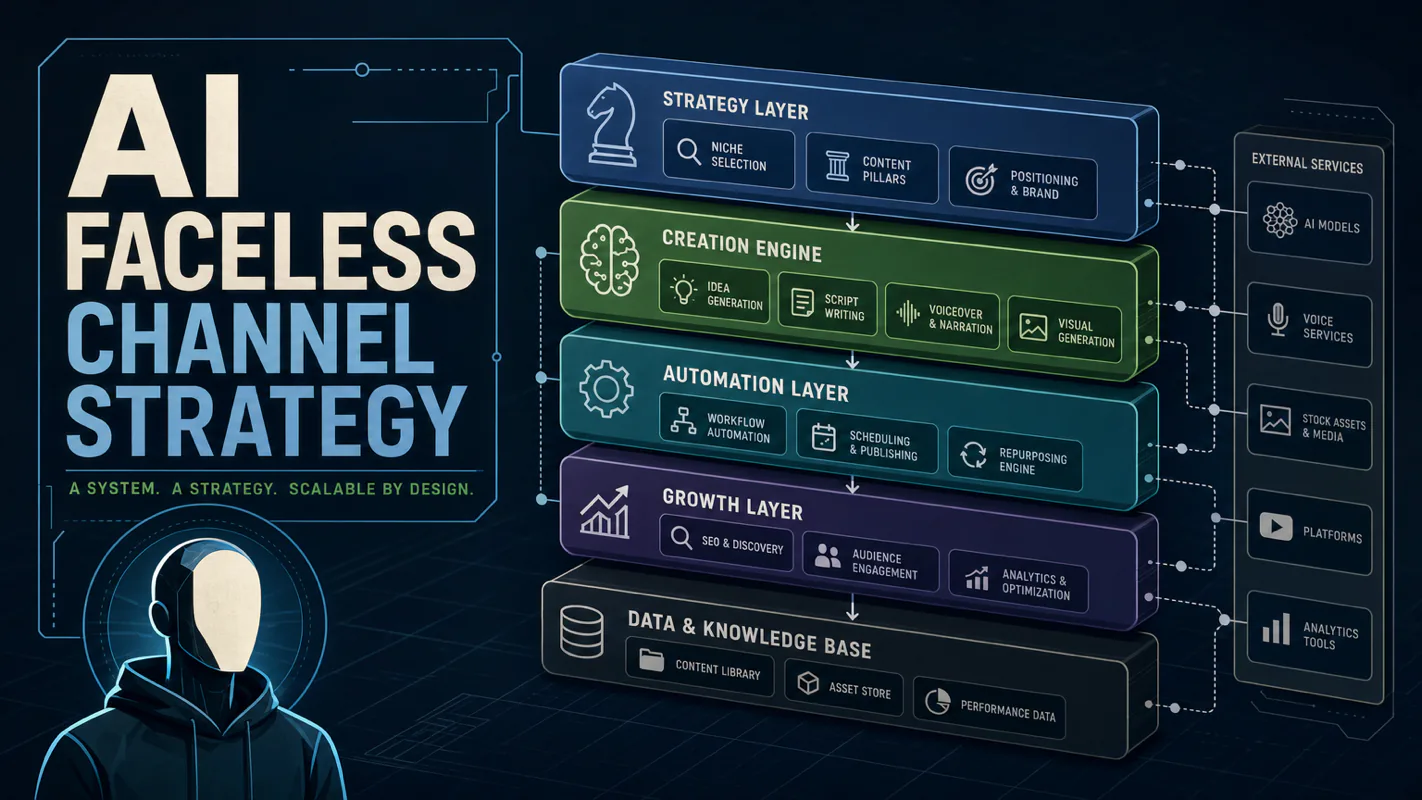
Monitoring a competitor who publishes no feed is the case every RSS guide skips. Twenty-one platforms sorted by which of three jobs they do, and the finished setup is business process automation you own outright, with no seat licence to renew.
Blaming the content is the reflex when a post underperforms, and it is usually the wrong diagnosis. A second reader decides distribution before any human sees the post, and most of what it checks is mechanical enough to automate business processes around, on five platforms at once.
Gloves on, tape measure in hand — nobody types a query. Three voice surfaces for ai automation tools (terminal, Telegram, Discord), 10 TTS and 6 STT providers compared on cost and latency, plus a setup that costs nothing.
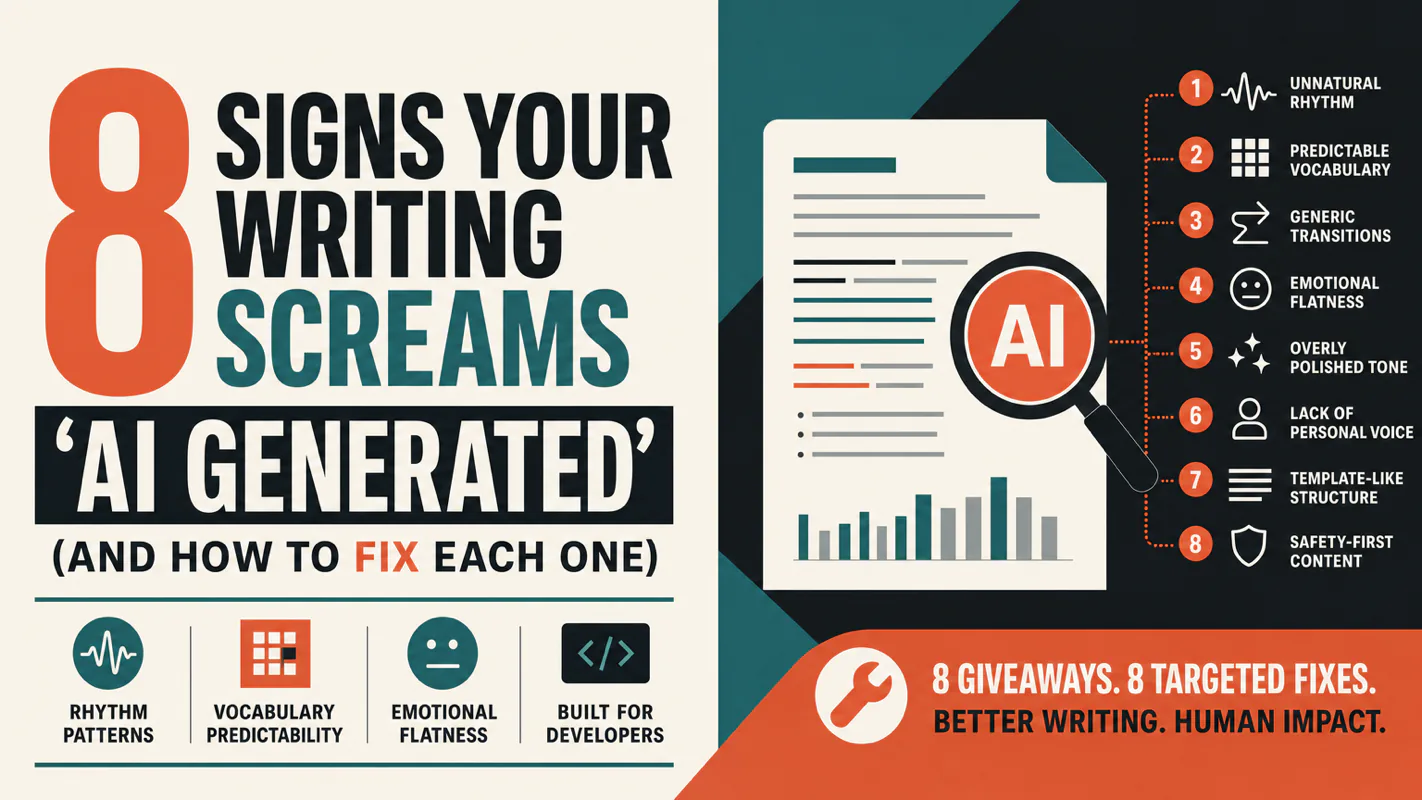
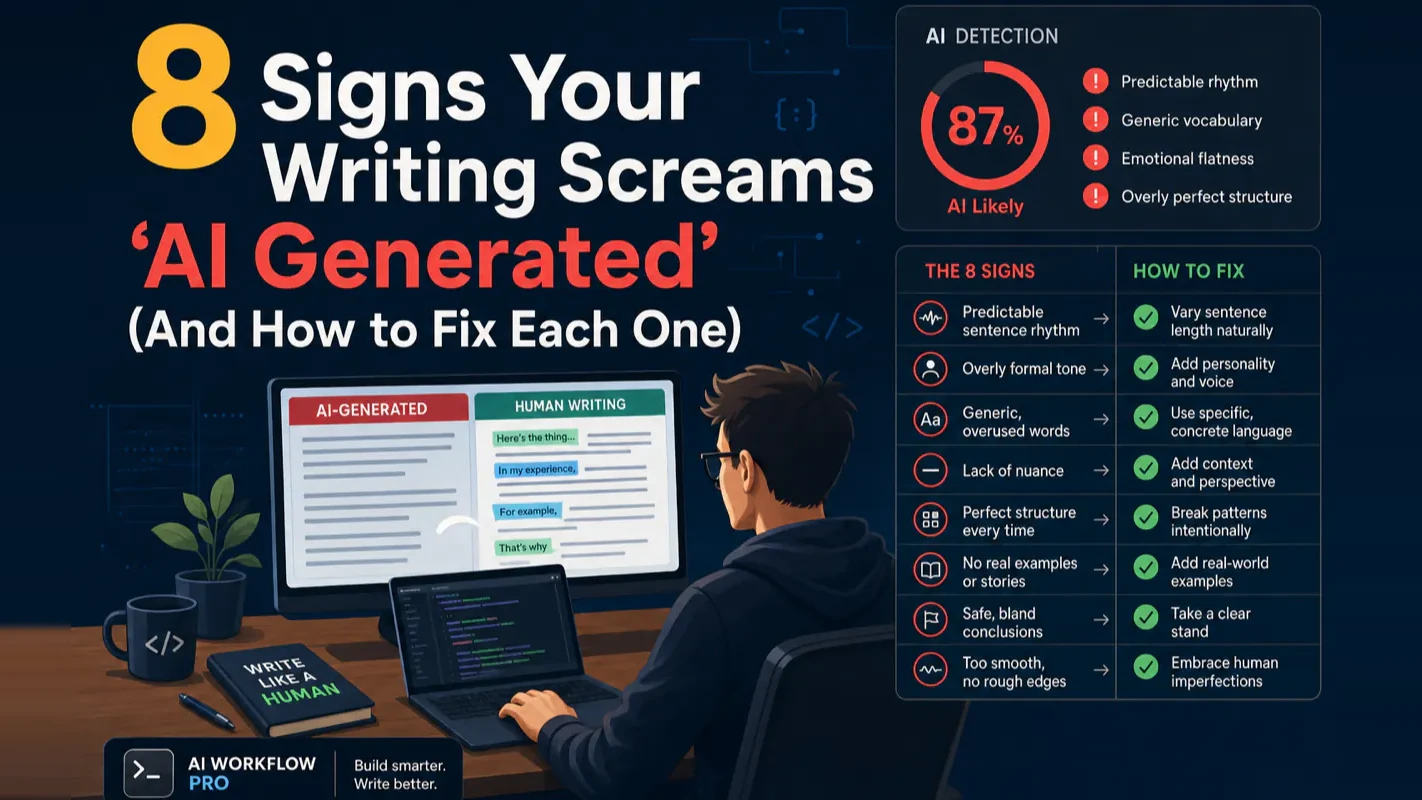
8 Signs Your Writing Screams 'AI Generated' (And How to Fix Each One)
A detector score cannot survive a conversation with the freelancer it just cost three weeks of payment. What holds up is the specific thing on the page: rhythm, vocabulary, missing detail. Eight of them here, and the reason review stays human when you automate business processes.
You probably think swapping out a few "furthermore" and "in conclusion" phrases will fool AI detectors. It won't. Detection tools don't scan for individual words. They read your text's rhythm fingerprint: sentence length variance, vocabulary predictability, the flatness of your emotional arc. Change a handful of connector words and the mechanical skeleton stays perfectly intact.
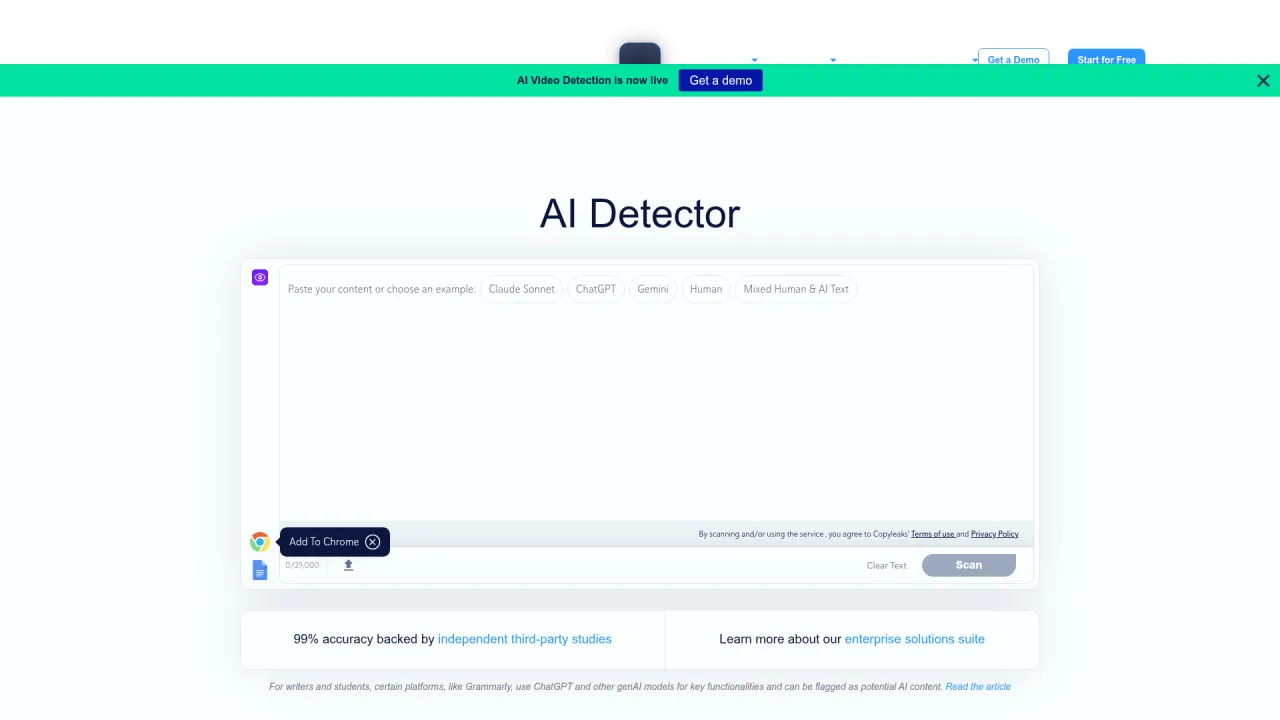
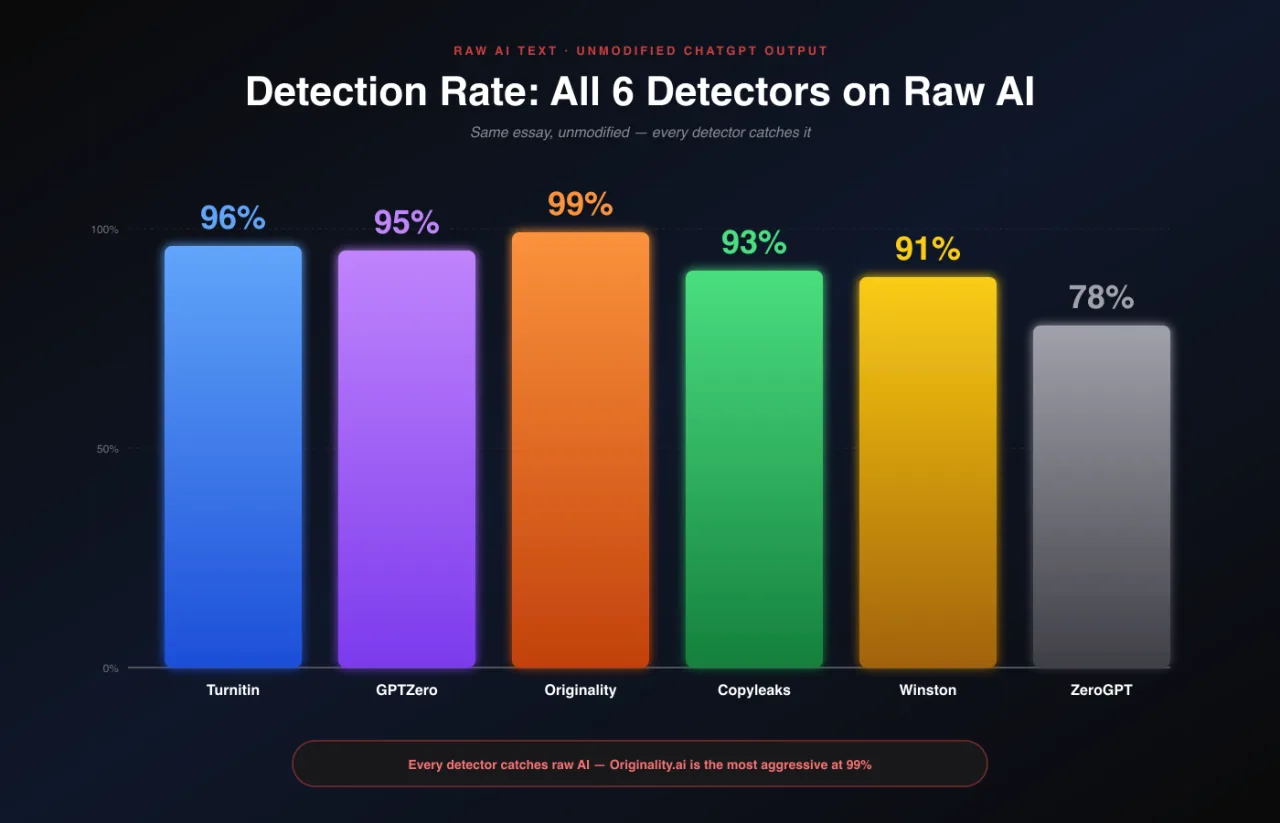
GPTZero claims 99% accuracy. A 2024 benchmark across 3,000 samples found GPTZero achieved 99.3% overall accuracy with a false positive rate of just 0.24%—far ahead of Copyleaks and Originality.ai on the same dataset. Google integrated its Helpful Content system into the core ranking algorithm in March 2024, making content quality and demonstrated expertise central to all search rankings. Removing AI writing signs is no longer a style preference. It determines whether your content gets seen at all.
But the picture is more complicated than the vendors admit. A Stanford University study led by Professor James Zou, published in Patterns (Cell Press), tested seven popular AI detectors on essays by non-native English speakers. The detectors flagged 61.22% of human-written TOEFL essays as AI-generated. One detector flagged nearly 98% of them. Meanwhile, accuracy on native English writing remained near-perfect. The takeaway: these tools measure statistical patterns that overlap heavily with second-language writing—simpler vocabulary, predictable sentence structure, lower lexical diversity. Passing a detector does not mean your writing is good. Failing one does not mean AI wrote it.
Here are the 8 telltale signs of AI writing, why each one triggers detection, and the exact fix for every single one.
Detection tools measure statistical patterns across your entire text—not individual word choices
Published research shows false positive rates vary from 0.24% (GPTZero on native English) to 61% (multiple detectors on non-native English writing)
The core fix: inject real specifics (numbers, scenes, feelings) and break the rhythmic uniformity
Google's March 2024 core algorithm integration makes content quality a survival issue, not a style preference
A contractor files copy, the agency runs it through a detector, the score comes back red, and an invoice sits unpaid for three weeks. Nobody in that chain can say what the number measured. Scores like these behave like a smoke alarm wired to the toaster: loud, frequent, and eventually ignored, while the thing actually worth catching goes unnamed. Flat rhythm, template vocabulary, missing specifics, structure too even to be true. Those are what a careful editor circles, and unlike a percentage they hold up in an argument with a freelancer. When you automate business processes around writing, review is the step to keep in human hands.
What Are the 8 Signs That Expose AI Writing?
AI writing doesn't fail in one dimension. It fails in eight simultaneously. Here is the complete map—use it as a self-audit checklist before you publish anything:
Sign
Core Problem
One-Line Detection Test
Severity
Uniform sentence rhythm
Sentences are the same length and structure
Reads like a metronome
Critical
Template vocabulary
Empty filler phrases, zero specifics
"Great success was achieved" everywhere
Critical
Over-organized logic
Textbook intro-body-conclusion every time
Correct but boring
High
Formal-only tone
No humor, slang, or personality
Sounds like a polite stranger in a suit
High
Flat emotion
Neutral and objective, no warmth
You feel nothing after reading it
High
Formulaic rhetoric
"Not only... but also..." on repeat
Same sentence pattern every paragraph
Medium
Missing details
No names, numbers, dates, or scenes
All adjectives, no nouns
Critical
Suspicious perfection
Zero grammar errors, zero rough edges
Too perfect to be human
Medium
Each one breaks down into a before-and-after example with a concrete fix.
Why Does Uniform Sentence Rhythm Trigger AI Detectors?
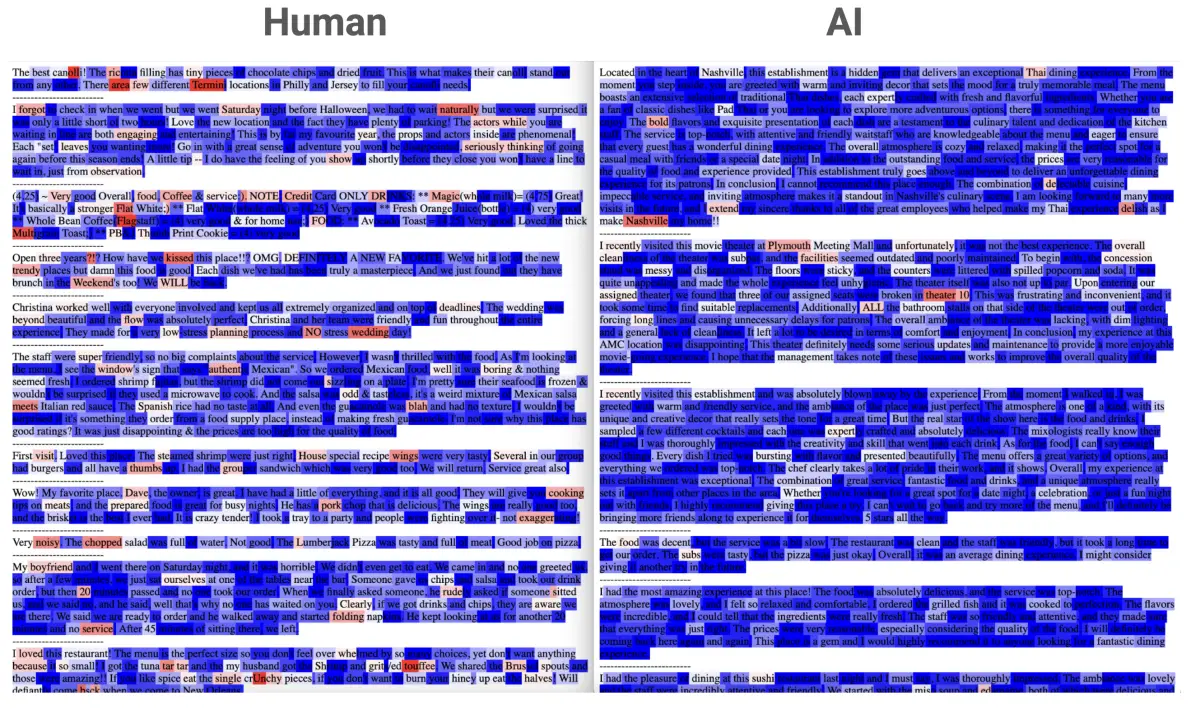
Uniform sentence length is the single loudest alarm bell. AI-generated paragraphs produce sentences that cluster around the same word count—typically 15 to 20 words each, marching in lockstep. Human writing swings wildly. A 4-word jab. Then a 35-word sentence that winds through a subordinate clause before landing. Detection tools like GPTZero quantify this through two metrics: perplexity (how predictable each word is) and burstiness (how much sentence length varies). Low perplexity plus low burstiness equals AI.
GPTZero's own documentation confirms this: perplexity and burstiness form the first statistical layer of their detection model. Low perplexity means the model found the text predictable—exactly how AI writes, because AI selects statistically likely next words by design. Low burstiness means the writing maintains consistent sentence length and structure—the opposite of natural human variation.
Before (AI pattern):
"Artificial intelligence is developing rapidly. This technology has wide applications. It impacts various industries. The future looks promising."
Four sentences. Nearly identical length (5, 6, 5, 5 words). The rhythm is a flatline.
After (human pattern):
"AI moved fast in the last three years—already reshaping industries from healthcare to logistics. Your phone assistant, your car's lane-keeping system, even the spam filter catching phishing emails right now? All AI. Where does it go from here? Honestly, I'm not sure anyone knows."
Long sentence (16 words), then a question (21 words), then a two-word fragment, then a question (8 words), then an admission of uncertainty (10 words). That variation is what humans produce naturally. The burstiness score goes up. The perplexity goes up. Both signals move away from the AI detection threshold.
The 3-step fix:
Alternate long and short. After writing, scan each paragraph for sentence length. Three consecutive sentences between 15-20 words? Split one down to 5 words. Merge two into a 30-word compound sentence.
Mix sentence types. Statements, questions, fragments, exclamations. Every paragraph needs at least two different types.
Read aloud. Anything that feels monotonous when spoken needs restructuring. This catches problems no editing tool ever will.
Before (AI pattern)
After (human pattern)
AI improves efficiency. AI reduces costs. AI enhances experiences. AI has a bright future.
AI does cut costs and speed things up—no argument there. But the real question? Whether it makes the work better, not just faster.
Why Does Template Vocabulary Signal AI Writing?
"A resounding success." "Participants expressed enthusiasm." "This will have far-reaching implications." If your article is wall-to-wall filler like this, readers can't extract a single concrete takeaway. These phrases dominate AI output because they appear constantly in training data. The model treats them as safe defaults.
Before (AI pattern):
"The event was a resounding success, with participants expressing great enthusiasm and indicating they found it highly beneficial."
You finish reading and know nothing. What event? How many people? What happened?
After (human pattern):
"547 developers registered for the three-day conference. During the networking session on day two, the line for the API demo booth stretched past the coffee station. Two startup teams exchanged GitHub handles and started a joint repo before the closing keynote."
Numbers (547). Scenes (line stretching past the coffee station). Actions (exchanged GitHub handles). That is specificity.
The replacement formula:
AI filler
Replace with
Principle
"Efficiency improved significantly"
"Build time dropped from 12 minutes to 4"
Numbers replace vague descriptors
"The environment was poor"
"The venue Wi-Fi dropped every 20 minutes; half the attendees hotspotted from phones"
Nouns and verbs replace adjectives
"The team worked very hard"
"Three straight weeks of 2 AM finishes"
Concrete scenes replace generic praise
"Had far-reaching implications"
"That API change broke 14 downstream integrations—we were fixing things for two sprints"
Consequences replace hollow conclusions
"Users responded enthusiastically"
"312 feedback messages within the first 24 hours, 89% positive"
Quantifiable data replaces adjectives
One rule covers all of these: replace adjectives with nouns and verbs; replace vague claims with numbers.
How Does Over-Organized Structure Give Away AI Content?
AI loves the textbook template: introduce the background, walk through three points, summarize with a neat bow. The structure itself isn't bad. The problem is that every AI article uses it. By the second piece, readers feel deja vu.
The AI skeleton:
1. Introduction: brief background
2. Point one: ...
3. Point two: ...
4. Point three: ...
5. Conclusion: looking at the bigger picture...
Before (AI structure):
"In this article, we will explore three key benefits of using AI for content creation. First, we will discuss efficiency gains. Second, we will examine quality improvements. Third, we will consider cost savings. Let us begin with efficiency."
Every AI article reads like a table of contents narrated aloud.
After (human structure):
"Last Tuesday I published an article that took 45 minutes to write. The week before, a similar piece took six hours. The difference wasn't talent—it was the workflow I'd built between drafting sessions. Here's what changed."
Lead with a concrete scene. Withhold the framework. Let the reader discover the structure through the narrative.
What human writers actually do:
Open with a specific story, reveal the thesis halfway through
Lead with a counterintuitive conclusion, then argue backward
Use dialogue—two people debating, reader draws their own conclusion
Bury the main argument in the middle, bookend with scene-setting
Structure-breaking checklist:
[ ] Opened with a story or scene instead of "background overview"?
ChatGPT defaults to boardroom formal: "consequently," "it is worth noting," "in light of the above analysis." Human writers have texture. Some are funny. Some are blunt. Some are warm. AI sounds like a well-dressed intern who never cracks a joke.
Asking AI to be humorous? Usually cringe. It forces references and wordplay with all the subtlety of someone explaining a meme they don't understand.
Before (AI tone):
"Furthermore, it is worth noting that the implementation of this methodology consequently resulted in a paradigm shift that facilitated enhanced operational efficiency across the organization."
One sentence. Zero information. Seven red-flag words.
After (human tone):
"We switched the deploy process. Builds that used to break half the time started passing. The on-call engineer stopped getting woken up at 3 AM. That was the whole 'paradigm shift'—less broken software, more sleep."
Same meaning. Concrete details. A human voice.
AI red-flag word list (English edition):
AI defaults to
Humans actually say
Furthermore
Also / Plus
It is worth noting
Here's the interesting part
Consequently
So
In light of
Given / Look
Paramount
Really matters
Facilitate
Help / Make easier
Utilize
Use
Leverage
Use (yes, just "use")
Delve into
Dig into / Look at
Tapestry
(Just don't)
Landscape
Space / World
The fix:
After the AI produces its draft, go paragraph by paragraph and rewrite every sentence in your own speaking voice. Replace every word from the left column with the right. This step takes about 15 minutes per article.
Advanced technique: Feed the AI 3-5 paragraphs you've written previously and instruct it to match your tone and vocabulary patterns. In 2026, models have gotten genuinely good at style mimicry—but you still need to review the output.
What Makes Emotionally Flat Writing a Detection Signal?
AI writes with clinical neutrality. Even when the topic demands feeling, it defaults to motivational poster language: "challenges were overcome" and "the journey was rewarding." Human emotion comes from lived experience. Even clumsy writing hits harder when the feeling is real.
Before (AI emotion):
"The deployment process was challenging, but ultimately rewarding. The team overcame significant obstacles and achieved a successful outcome."
Generic. Could describe any project in any industry across all of human history.
After (human emotion):
"The staging environment crashed 40 minutes before the client demo. I stared at the error log, felt my stomach drop, and typed the rollback command with shaking hands. When the dashboard came back green, I exhaled so hard my colleague across the room looked up."
Specific scene. Physical sensation. A detail only someone who was there would write.
Four methods to inject genuine emotion:
Method
Example
Use when
Real feeling
"I genuinely panicked at that point"
Describing difficulty or failure
Physical sensation
"My palms were sweating when the dashboard loaded"
Critical moments
Inner monologue
"Honestly, I almost quit right there"
Showing vulnerability
Emotional contrast
"Went from dread to relief in about two seconds"
Turning points
The key insight: "I genuinely panicked" hits harder than "this process was challenging." The first is a specific person's specific reaction. The second is a universal filler sentence that anyone could write about anything. AI always produces the second version. You add the first manually.
How Do You Spot Formulaic Rhetoric in AI Text?
"Not only X, but also Y, and more importantly Z." AI uses this pattern at a frequency that borders on parody. Synonym cycling, false ranges ("from X to Y"), negative parallelism ("it is not A, but rather B")—these rhetorical devices are fine in moderation. When they appear with clockwork regularity, they become an AI fingerprint.
Before (AI rhetoric):
"Not only does AI improve efficiency, but it also enhances quality, and more importantly, it reduces costs. From healthcare to finance, from education to entertainment, AI is transforming everything. It is not merely a tool, but rather a paradigm shift; not simply an upgrade, but rather a revolution."
Three rhetorical devices in three consecutive sentences. A detection tool reads this pattern density as a strong AI signal.
After (human rhetoric):
"AI cuts costs. It also makes some things better—though not everything, and not always in ways you'd expect. Healthcare scheduling got faster. Healthcare diagnosis accuracy? That's still a coin flip in some specialties."
The fix:
Simplify. "Not only A but also B" becomes "A, and B" or just A.
Two beats over three. AI loves three-part parallelism. Human writing uses pairs far more often.
Swap connectors. Replace "not only... but also" with "plus," "on top of that," or "even."
Delete the unnecessary half. In many "not only... but also" constructions, the second clause adds nothing. Cut it. The sentence gets tighter and more direct.
Why Are Missing Details the Biggest AI Writing Giveaway?
An article that rarely mentions specific names, dates, numbers, or products while being packed with "significant breakthrough," "substantial improvement," and "profound impact" is almost certainly AI-generated.
Human writers naturally anchor claims with evidence: who said it, where it happened, what the data showed. AI substitutes grandiose adjectives for substance—because it doesn't have real memories or experiences to draw from.
Before (AI vagueness):
"In recent years, certain AI tools have shown significant improvements. Some experts believe this trend will continue, with various industries experiencing substantial growth in the near future."
No dates. No names. No numbers. No tools specified. No experts named. This paragraph communicates nothing.
After (human specificity):
"Claude Opus 4 launched in June 2025 and scored 72.5% on SWE-bench, up from Claude 3.5 Sonnet's 49%. Andrej Karpathy noted on X that the coding benchmark gains were real but narrow—strong on well-defined tasks, still weak on ambiguous specs. Three months later, most production teams I've talked to use it for boilerplate generation, not architecture decisions."
Specific model names. A specific benchmark score. A named person. A timeframe. A firsthand observation with scope.
The detail injection grid:
Dimension
AI writes
A human writes
Time
"In recent years"
"June 2025"
Place
"Certain regions"
"A coworking space in Lisbon"
People
"Some experts say"
"Andrej Karpathy noted on X"
Data
"Significant growth"
"72.5% on SWE-bench"
Scene
"During an event"
"The line at the API demo booth stretched past the coffee station"
Product
"A certain AI tool"
"Claude Opus 4"
The fix:
Every paragraph needs at least one concrete fact. Strip all adjectives and adverbs from a paragraph. If the remaining sentences still communicate something meaningful, the paragraph works. If nothing is left, it needs real details.
Why Does Perfection Itself Expose AI Writing?
Zero grammar errors. Zero punctuation inconsistencies. Zero colloquialisms. This flawlessness is paradoxically the most human-detectable AI trait. Real writing has irregular rhythm, occasional spoken-language intrusions, even deliberate sentence fragments.
Detection tools in 2026 — GPTZero, Copyleaks, Originality.ai — exploit this statistical perfection. They don't evaluate content quality. They measure variance: sentence length distribution, vocabulary diversity, perplexity spread. Uniform perfection scores low on all three.
A Pangram Labs analysis across domains found false positive rates of 0.01% for creative writing, 0.02% for academic writing, and 0% for movie scripts—but these numbers only hold for native English content written in those specific genres. The moment writing becomes more formulaic (technical documentation, legal text, non-native English), false positive rates climb.
Before (AI perfection):
"The implementation proceeded according to the established timeline. All deliverables were completed satisfactorily. The stakeholders expressed their approval of the final product. The project demonstrated the effectiveness of the adopted methodology."
Grammatically flawless. Rhythmically uniform. Emotionally dead. Every detector on earth flags this.
After (human imperfection):
"We shipped on time—barely. The auth module nearly derailed everything because nobody had tested it against the production OAuth provider. (That was my fault. I'd assumed staging and prod used the same config. They didn't.) Anyway, the client was happy. Probably because they never saw the Slack channel where we were debugging at midnight."
Parenthetical asides. An admission of fault. Informal connectors ("anyway"). A sentence fragment for emphasis. These are the fingerprints of a human writer.
The fix—allow imperfection:
Conversational phrases: "Honestly," "look," "here's the thing"
Personal reactions: "I wanted to throw my laptop out the window"
Irregular paragraphs: Sometimes one sentence stands alone. Like this.
Punctuation variety: Em dashes, ellipses, colons breaking up the rhythm—tools AI rarely deploys naturally
Admitted uncertainty: "I'm not 100% sure about this, but based on what I've seen..."
AI Writing in Technical Content: The Special Case
Technical documentation and AI workflow tutorials have a unique detection problem. The content is inherently structured, procedural, and precise—exactly the characteristics AI detectors flag. When you're writing about how to set up a Claude Code workflow or configure an MCP server, the text should be organized and accurate. But that doesn't mean it has to read like a machine wrote it.
The three traps of technical AI writing:
Trap 1: Generic tool descriptions. AI writes "This powerful tool enables users to streamline their workflow." A human who actually uses the tool writes "Claude Code's /init command scans your repo and generates a CLAUDE.md file in about 8 seconds—but it misses monorepo structures, so you'll need to add subproject paths manually."
Trap 2: Procedure-as-prose. AI converts a 5-step process into five paragraphs of equal length, each starting with "Next, you will..." A human writes the steps as a numbered list, then adds a paragraph about the step that tripped them up: "Step 3 looks simple, but if your Node version is below 20, the --experimental-strip-types flag silently fails. Wasted an hour on that."
Trap 3: Sanitized outcomes. AI writes "The implementation was successful." A human writes "The first run failed because I'd forgotten to set the API key in the environment. The second run produced output but the formatting was wrong—turns out the model was hallucinating markdown tables inside a JSON response. Third time worked."
Before/after for a technical tutorial paragraph:
Before (AI-written tutorial):
"To configure the API connection, navigate to the settings panel and enter your credentials. The system will validate your input and establish the connection. Once connected, you can begin utilizing the full range of features available in the platform."
After (human-written tutorial):
"Open Settings > API Keys and paste your key. Hit Test Connection—if it returns a 401, your key probably has the wrong scope. I've made that mistake three times. You need read:content and write:content at minimum. The admin scope works too but gives more access than you actually need."
The human version has: a specific error code (401), a specific cause (wrong scope), specific permission names, and an opinion about least-privilege access. All things only a real user would know.
The rule for technical content: Every procedure needs at least one failure case, one specific version number or error code, and one judgment call that reveals experience.
Claude Code Prompt for Humanizing AI Content
Here is a practical prompt you can paste directly into Claude Code (or any Claude interface) to humanize an AI-drafted article. This is not a magic wand—it generates a revision pass that you then review and edit further. The prompt targets all 8 detection signs simultaneously.
I need you to revise the following draft to remove AI writing patterns.
Apply these specific transformations:

1. SENTENCE RHYTHM: Vary sentence lengths dramatically. Include at
   least two sentences under 6 words and one sentence over 30 words
   per section. Mix statements, questions, and fragments.

2. VOCABULARY: Replace every instance of these words with plain
   alternatives: furthermore, consequently, utilize, leverage,
   facilitate, paramount, delve, landscape, tapestry, it is worth
   noting, in light of. Use contractions (don't, won't, it's).

3. STRUCTURE: Do not use the intro-three-points-conclusion template.
   Open with a specific scene or problem. Reveal the main point
   through narrative, not announcement.

4. TONE: Write as if explaining to a colleague over coffee, not
   presenting to a boardroom. Include at least one aside in
   parentheses and one sentence starting with "Honestly" or "Look."

5. EMOTION: Add 2-3 moments of genuine reaction: frustration,
   surprise, satisfaction, or uncertainty. Use physical sensations
   where appropriate ("my stomach dropped," "I exhaled").

6. DETAILS: Replace every vague reference with a specific one.
   "Recently" becomes an exact date. "A tool" becomes a named
   product. "Significant improvement" becomes a percentage or number.
   Every paragraph must contain at least one proper noun, number,
   or specific date.

7. RHETORIC: Eliminate all "not only... but also" constructions.
   Limit parallelism to pairs, never triples. Remove any "from X
   to Y, from A to B" patterns.

8. IMPERFECTION: Include one parenthetical admission of uncertainty.
   Allow one paragraph to be a single sentence. Use an em dash at
   least three times. Start one sentence with "And" or "But."

Here is the draft to revise:

[PASTE YOUR DRAFT HERE]
How to use this prompt in your workflow:
Generate a first draft with your normal AI prompt
Paste the draft into a new message with the humanizing prompt above
Review the output—the AI will hit about 70% of the targets
Manually add the remaining 30%: your real experiences, specific numbers from your own data, genuine emotional reactions that only you would have
Read the final version aloud. If any sentence sounds like a corporate memo, rewrite it in your speaking voice
The 30% you add manually is what makes the content yours. The prompt handles the mechanical fixes; you provide the substance no AI can fabricate.
The 6-Step Workflow to Remove AI Writing Signs
Here's the 6-step process that combines all eight fixes into a single repeatable workflow:
Step 1: Generate the AI draft (5-10 minutes)
Give the AI a clear brief. Let it produce a structurally complete first draft. Don't expect perfection—the draft is raw material, not the finished product.
Step 2: Break the structure (5 minutes)
Is it the intro-three-points-conclusion template again? Rearrange it.
Are three consecutive paragraphs roughly the same length? Rebalance.
Step 3: Replace the tone (10 minutes)
Cross-reference the red-flag word list. Swap every formal AI default with your natural voice.
Read aloud. If it doesn't sound like you talking, keep editing.
Step 4: Inject details (10 minutes)
One concrete fact per paragraph minimum: a number, a name, a scene.
Add 2-3 real personal experiences or case studies.
Step 5: Add emotional texture (5 minutes)
Find the moments where emotion belongs and write your genuine reaction.
Two or three honest moments across the article is enough.
Step 6: Seed imperfections (3 minutes)
Add conversational phrases.
Let one paragraph be a little rough around the edges.
Use questions and exclamations to break declarative monotony.
Total time: 30-40 minutes. Far faster than writing from scratch, and the result reads as genuinely human.
Using AI for Writing Without Triggering Detection: The AWP Content Workflow
The goal is not to "beat" detectors. The goal is to produce content that readers trust—content where AI handles the scaffolding and you provide the substance. Here is the workflow we use at AI Workflow Pro to write every article on this site.
Phase 1: AI as research assistant, not writer.
Before writing a single word, use AI to gather raw material:
"List the 10 most common objections to [topic] on Reddit and Hacker News"
"Summarize the peer-reviewed research on [topic] published after January 2024"
"What specific metrics should I include when writing about [topic]?"
This phase produces notes, not prose. The AI surfaces information you then verify and shape.
Phase 2: Human outline from AI notes.
Write the outline yourself, based on the AI research. Decide the angle, the opening scene, the structure. The outline should reflect your perspective on the topic—not the AI's default organization. This is where you decide what's interesting about the subject to you, which is exactly what makes the final article feel human.
Phase 3: AI draft from human outline.
Now feed your outline back to the AI and let it produce a first draft. Because the outline came from you, the structure already breaks the template pattern. The draft will still have vocabulary and rhythm problems, but the architecture is yours.
Phase 4: The 6-step humanization pass.
Run the 6-step workflow from the section above. This takes 30-40 minutes and addresses all 8 detection signs.
Phase 5: The "only I know this" pass.
The final pass is the most important. Go through the article and add things only you could write:
A specific result from your own project ("Our newsletter open rate went from 22% to 34% after this change")
A mistake you made and what you learned ("I tried this with GPT-4o first and the output was unusable because...")
An opinion you hold that might be unpopular ("Most people say X, but in my experience, Y works better for solo creators")
This pass is what separates content that merely passes detection from content that readers actually remember and share.
Why this workflow matters for AI detection:
Each phase adds a layer of human signal. By the time you finish, the article contains your research priorities (Phase 1), your structural choices (Phase 2), your vocabulary corrections (Phase 4), and your lived experience (Phase 5). A detector measuring perplexity, burstiness, and vocabulary diversity will find genuine variance because the text was genuinely shaped by a human mind at every stage.
What Do AI Detection Tools Actually Measure in 2026?
Understanding how detection works helps you write better content—not game the system:
Tool
Detection Method
Claimed Accuracy
Independent Finding
GPTZero
Perplexity + burstiness + deep learning (7 indicators)
Trailed GPTZero on recall in the same 3,000-sample benchmark
Originality.ai
Multi-dimensional statistical analysis
96%
Higher false positive rate than GPTZero on mixed human/AI documents
Pangram
Neural network + contextual analysis
Not disclosed
0.01% false positive on creative writing, 0.02% on academic writing (internal analysis)
What the research actually shows:
Popkov et al. (2025), published in a peer-reviewed journal and cited 45+ times, found that free AI detectors showed a median of 27.2% for the proportion of academic text identified as AI-generated—meaning they flagged over a quarter of legitimate human academic writing.
Picazo-Sanchez & Ortiz-Martin (2024) in Applied Intelligence found GPTZero identified 99.5% of AI-written abstracts with no false positives among human-written text—but only on pure AI output, not human-AI hybrid content.
A PMC study on free AI-detection tools found that paraphrasing AI text through QuillBot or Grammarly significantly reduced detection sensitivity, indicating that surface-level rewrites can evade basic detectors—which is why substantive revision (not paraphrasing) is the real solution.
The Stanford Patterns study (Zou et al.) remains the most significant finding: 61.22% of non-native English essays falsely flagged as AI, with one tool reaching 98%. This bias means detection tools penalize exactly the kind of formulaic, simplified writing that characterizes both AI output and second-language writing.
The practical takeaway: Don't spend energy trying to "beat" detectors. That's an arms race you can't win, and the tools themselves have documented reliability problems. The real solution: let AI handle the first draft, then you handle the final draft. An article that goes through the 6-step process above won't just pass detection tools—it will read like a real person wrote it. And that matters more than any score.
Here is a paragraph transformed through each of the 8 fixes, showing exactly what changes and why.
Original AI draft paragraph:
"Artificial intelligence has revolutionized the landscape of content creation, enabling creators to leverage powerful tools that facilitate unprecedented efficiency. Furthermore, it is worth noting that this transformation has had far-reaching implications for businesses of all sizes. Not only has AI improved productivity, but it has also enhanced the quality of output, and more importantly, it has democratized access to sophisticated content creation capabilities."
Fix 1 — Break sentence rhythm:
"AI changed how content gets made. That's obvious by now. What's less obvious is the specific math: a blog post that took me six hours in 2023 now takes 90 minutes, but only because I spent three months building the right prompts and workflow."
Opened with a flat statement and an admission, not a grand claim. No "in this section, we will explore..."
Fix 4 — Replace tone:
"Democratized access to sophisticated content creation capabilities" became a plain statement with a specific number (six hours, 90 minutes, three months).
Fix 5 — Add emotion:
The original has zero feeling. The revision includes the implicit effort ("three months building the right prompts") and a subtle sense of earned competence.
Fix 6 — Remove formulaic rhetoric:
"Not only A, but also B, and more importantly C" completely eliminated. Replaced with a pair structure and a qualifier ("but only because").
Fix 7 — Inject details:
Added: "six hours," "90 minutes," "three months," "2023," "prompts and workflow." Five specific facts where the original had zero.
Fix 8 — Seed imperfection:
"That's obvious by now." A casual, slightly dismissive fragment. No AI writes that.
Ready-to-Use Prompt: Audit and Humanize AI-Sounding Writing
What this does: Scores a draft against the eight signs that expose AI writing, measures the rhythm fingerprint detectors actually read, applies a structural fix to each triggered sign, and returns a humanized version — not a word swap. Based on: 8 Signs Your Writing Screams 'AI Generated' (And How to Fix Each One) — https://aiworkflowpro.com/ai-writing-detection-signs/ Time to run: ~4 minutes
Copy this prompt into Claude Code, ChatGPT, or any AI assistant:
ROLE: You are an AI Writing Sign Auditor. Your job: find the eight tells that betray AI writing and patch each one at the pattern level — never by swapping connector words.

CONTEXT — 8-SIGN AI WRITING AUDIT METHOD:
AI detectors do not scan for words — they read the rhythm fingerprint: sentence-length variance, vocabulary predictability, and the flatness of the emotional arc. Swapping connectors leaves the mechanical skeleton intact, so word-level edits fail. The fix is to audit the draft against eight telltale signs and patch each at the pattern level: (1) uniform rhythm, (2) template vocabulary, (3) over-organized structure, (4) formal-only tone, (5) flat emotional arc, (6) formulaic rhetoric, (7) missing concrete details — the biggest giveaway, (8) suspicious perfection. Each sign has a structural fix, not a word swap. Technical content is a special case: density can mask signs 1–6, but missing details (7) and perfection (8) still betray it.

INPUTS (fill in before running):
- DRAFT: [The text to audit]
- CONTEXT: [What the content is for — blog, email, technical doc]
- VOICE: [The target human voice — casual / expert / personal]
- AUDIENCE: [Who reads it]

METHOD — 4 STEPS:

Step 1 — Score the 8 Signs (0–2)
Score each sign in DRAFT: 0 = reads human, 1 = mild AI tell, 2 = loud AI tell. The eight: uniform rhythm, template vocabulary, over-organized structure, formal-only tone, flat emotional arc, formulaic rhetoric, missing concrete details, suspicious perfection.

Step 2 — Measure the Rhythm Fingerprint
Assess sentence-length variance (low = uniform), template-vocabulary density, and emotional-arc flatness — the three signals detectors actually read. Confirm Step 1's high scores cluster here.

Step 3 — Apply the Per-Sign Structural Fix
For every sign scoring 1–2, fix at the pattern level, not the word level: rhythm → mix short and long sentences; vocabulary → swap template words for plain concrete ones; structure → cut rigid lists; tone → inject VOICE and contractions; arc → add stakes and reaction; rhetoric → cut "not just X but Y" patterns; details → add specific numbers, names, sensory particulars (the biggest fix); perfection → add one controlled imperfection.

Step 4 — Re-Score and Verify
Re-score all eight signs; every sign must drop to 0–1. Confirm at least one controlled imperfection survives and that concrete details now appear. If CONTEXT is technical content, double-check signs 7 and 8 specifically.

RULES:
- Never fix a sign by swapping connector words — detectors read rhythm, not tokens.
- Never strip all structure from technical content — only signs 7 and 8 must be fixed there.
- Never ship a sign-0 draft with zero imperfection — a little roughness proves it is human.

OUTPUT FORMAT:
Output a markdown report with:
1. 8-Sign Scorecard — markdown table, columns: Sign | Before (0–2) | Fix Applied | After (0–2)
2. Rhythm Fingerprint — sentence-length variance, template-vocab density, emotional-arc flatness (low/med/high)
3. Rewritten Passage — the humanized DRAFT inside a fenced text block
4. Verification — imperfection + concrete details confirmed present
Save as @templates/ai-writing-detection-signs.md and run on any AI-drafted text before publishing — detection now affects whether content gets seen at all.
AI Blog Writing Workflow - The step-by-step process for turning AI drafts into polished blog posts
SEO Copywriting Prompts - Prompt templates that produce SEO copy readers actually want to read
Prompt Frameworks Guide - Master the prompting structures that give AI better raw material to work with
FAQ: 5 Common Questions About AI Writing Detection
Will AI models eventually write so well that detection won't matter?
Detection will still matter, but the reason shifts. Today, detection catches quality gaps. Tomorrow, when everyone uses AI, your personal voice becomes the scarce asset. Standing out requires the thing AI cannot manufacture: your actual perspective and experience.
Is using AI to write considered cheating?
AI is a tool. Using a calculator for math isn't cheating—but relying on it without understanding the math is a problem. Same principle: use AI for drafts. But you need the judgment to know when the output is good and the skill to fix it when it isn't.
After the 6-step process, will detection tools still flag the content?
If you genuinely complete all six steps, most detectors classify the result as "human-written" or "human with AI assistance." But that shouldn't be your goal. Your goal is content that readers find valuable, engaging, and real.
Do one-click AI humanizer tools work?
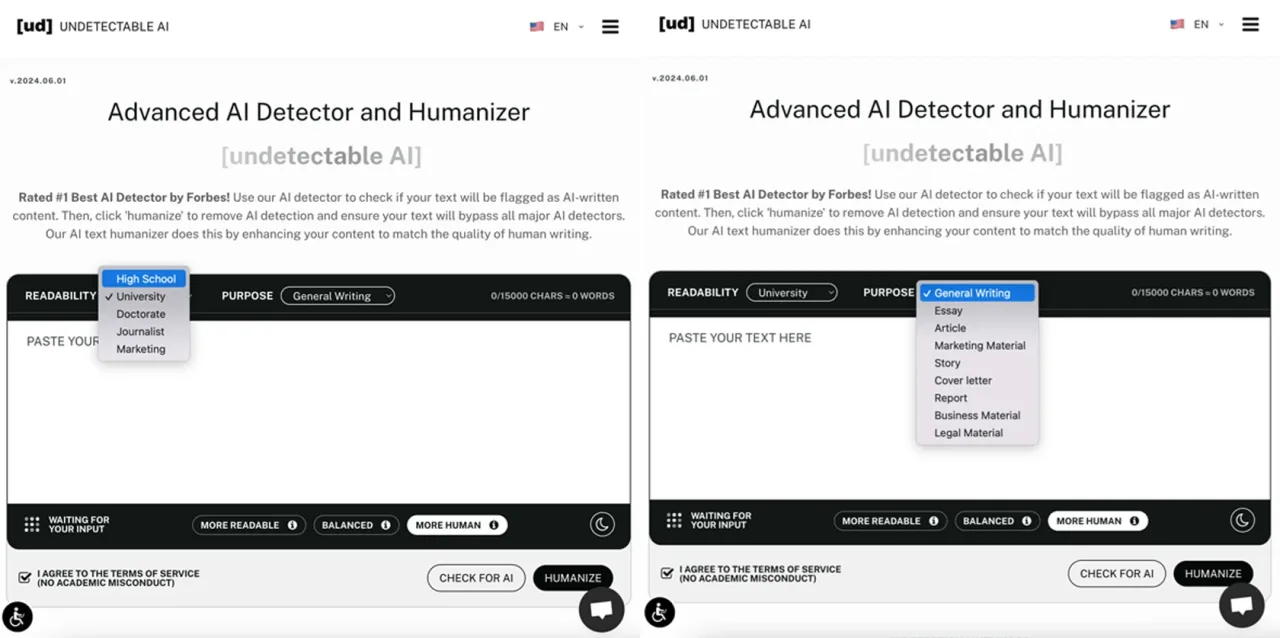
Tools like WriteHuman and Undetectable AI modify statistical surface features—they swap synonyms and restructure sentences at a pattern level. A PMC study confirmed that paraphrasing tools reduce AI detection rates, but they don't add real details, genuine emotion, or lived experience. They change the statistical fingerprint without improving the content. The result might pass a detector, but readers still sense the emptiness.
What is the core of removing AI writing signs?
One sentence: turn "correct filler" into "honest substance." AI gives you the skeleton. Your job is to add muscle and nerve endings. Anyone can build the skeleton. Only you can provide the lived experience that makes readers trust what they're reading.
The rhythm of your writing is a fingerprint. AI gives you one fingerprint for every article—uniform, predictable, statistically flat. Readers sense it before they can articulate it. Detection tools quantify what readers already feel.
The fix isn't complicated. It's manual. Thirty minutes of deliberate revision transforms an AI draft from detectable to genuinely yours. The 8 signs are your checklist. The 6-step workflow is your process. The Claude Code prompt is your automation layer. Start with the article you're working on right now.
Monitoring a competitor who publishes no feed is the case every RSS guide skips. Twenty-one platforms sorted by which of three jobs they do, and the finished setup is business process automation you own outright, with no seat licence to renew.
Blaming the content is the reflex when a post underperforms, and it is usually the wrong diagnosis. A second reader decides distribution before any human sees the post, and most of what it checks is mechanical enough to automate business processes around, on five platforms at once.
Nothing about month four is harder than month three. It is simply the month an unpaid channel starts to feel like proof of failure. Surviving it takes a cadence you can hold while earning nothing, which is a better reason to automate business processes than speed ever was.
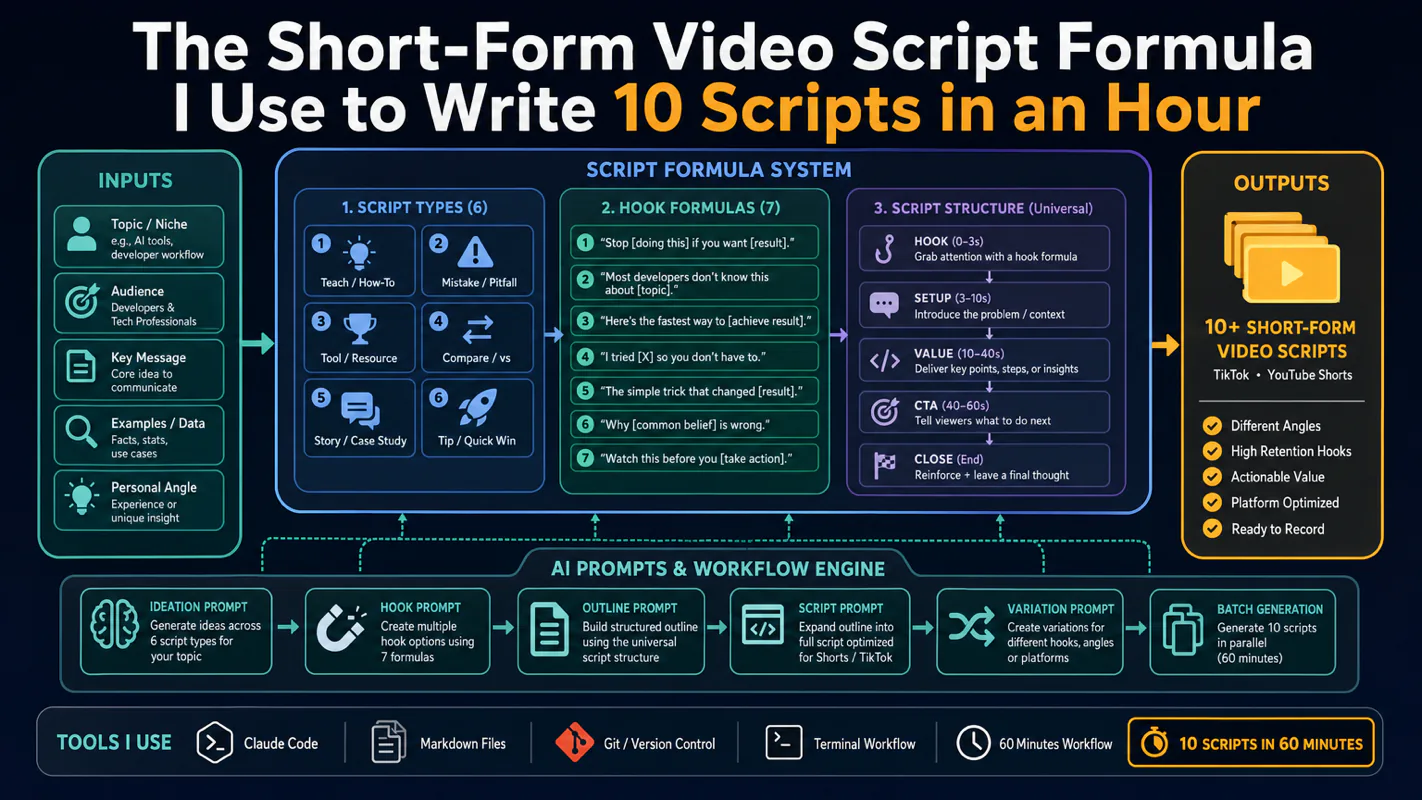
Thursday afternoon, fourteen product ideas, a Monday filming slot, no scripts. Six script shapes and seven hook formulas turn that hour into finished drafts — and the business rule stays: rewrite at least 30% before anything ships.