I Let Claude Code Control My Logged-In Chrome (Setup Guide)
A beginner's guide to letting your AI agent work in your own logged-in Chrome with free Chrome Use: four setup steps, all 8 prompts, and the honest account risks.
A beginner's guide to letting your AI agent work in your own logged-in Chrome with free Chrome Use: four setup steps, all 8 prompts, and the honest account risks.

A 30-minute video is too long for one conversation. This guide walks the 8-step Skill that locks the narration and one look, then gives each 3-minute segment to a fresh sub-agent, five at a time, and polishes the cut in an empty-context session.
The folder structure behind my AI agent team, the Herdr setup where Grok Build, Claude Code and Kimi Code work side by side, and the two live tasks from the video: an article published by voice and a three-model front-end test.
Open-source agent runtime


A system prompt cut from 5,000 tokens to almost nothing, and what that reveals about where the weight actually lives. Read it for the architecture, not for the recipe.
An architecture study, not a recommendation: wrapping the Claude Code CLI as a local OpenAI-compatible endpoint, five layers deep, with the account and Terms of Service risk stated before the design, and what a paid seat does not let ai automation tools reuse.
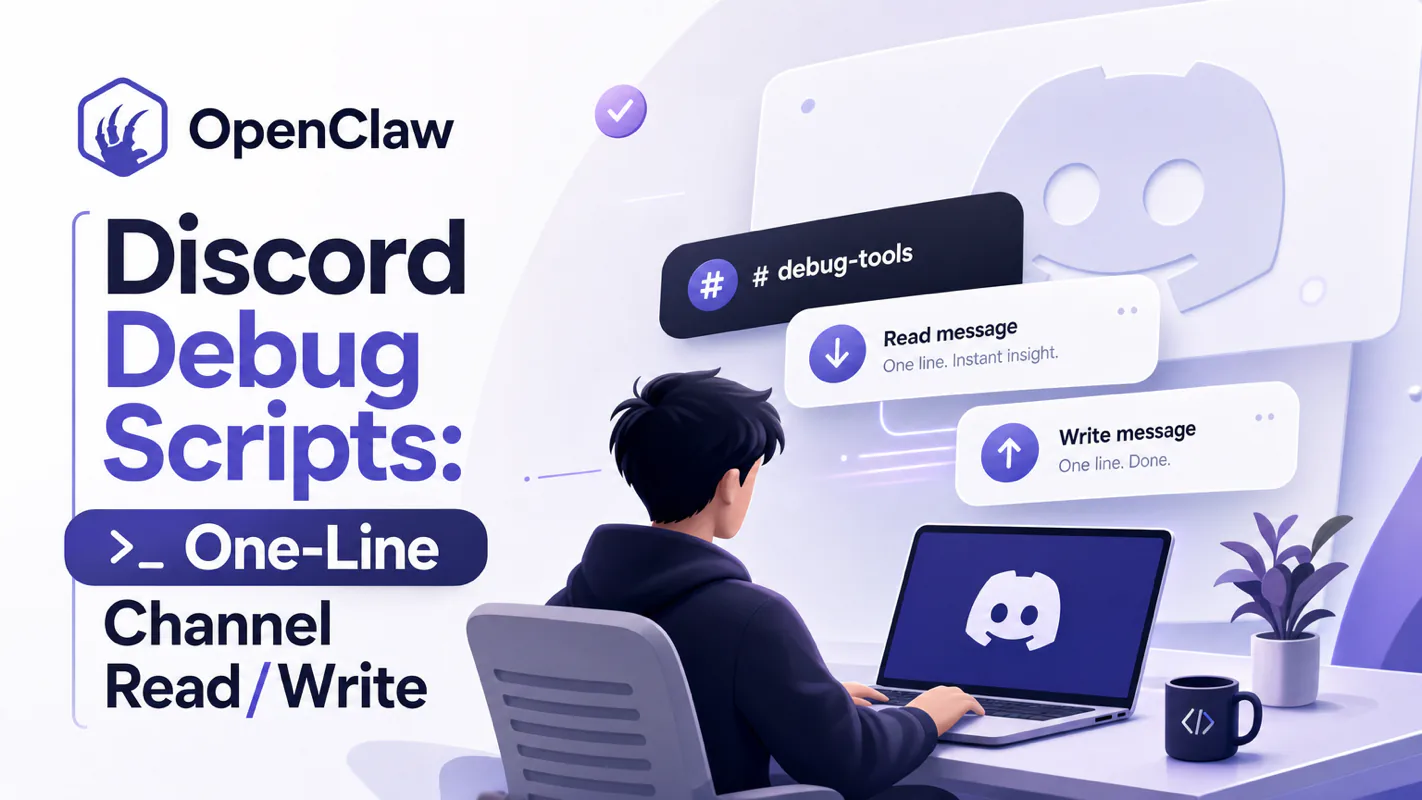
The bad failures are the quiet ones. The agent did not crash, it just stopped, and nobody on the team noticed until Monday. Opening the log is the wrong first move: the agent already wrote down what it was doing, in plain language, in its own channel. Two small scripts put that in front of you.
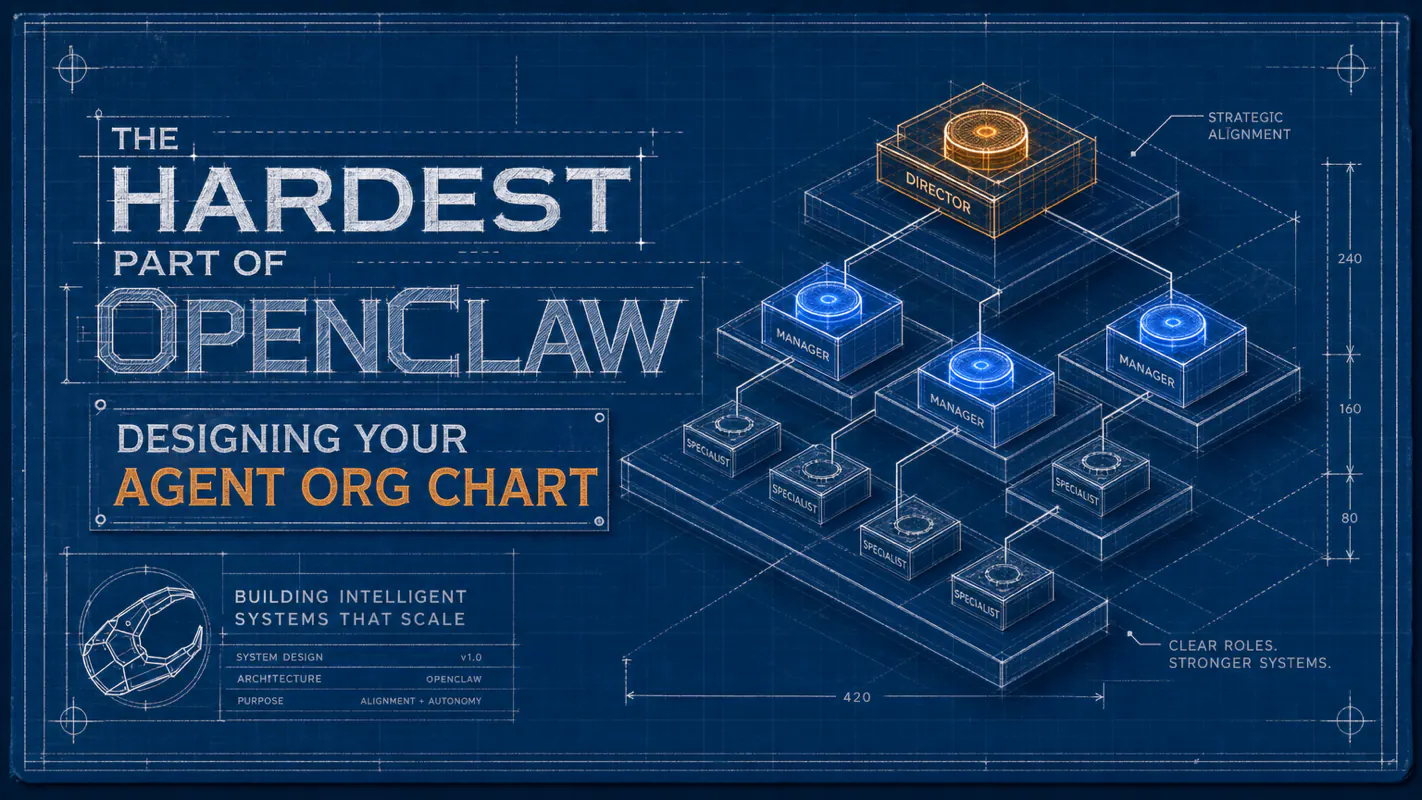
The sixty-thousand-dollar quote died between two desks, each assuming the other owned it. Agent teams reproduce that failure faster. Slice by outcome rather than role type and most of the handoff problem in business process automation disappears.
Your agent can call Claude Code. Can it do that at 3am without crashing, hanging, or silently failing? Bridge middleware handles process management, timeouts, interactive prompts, and automatic recovery, after two months running 10 agents in production.
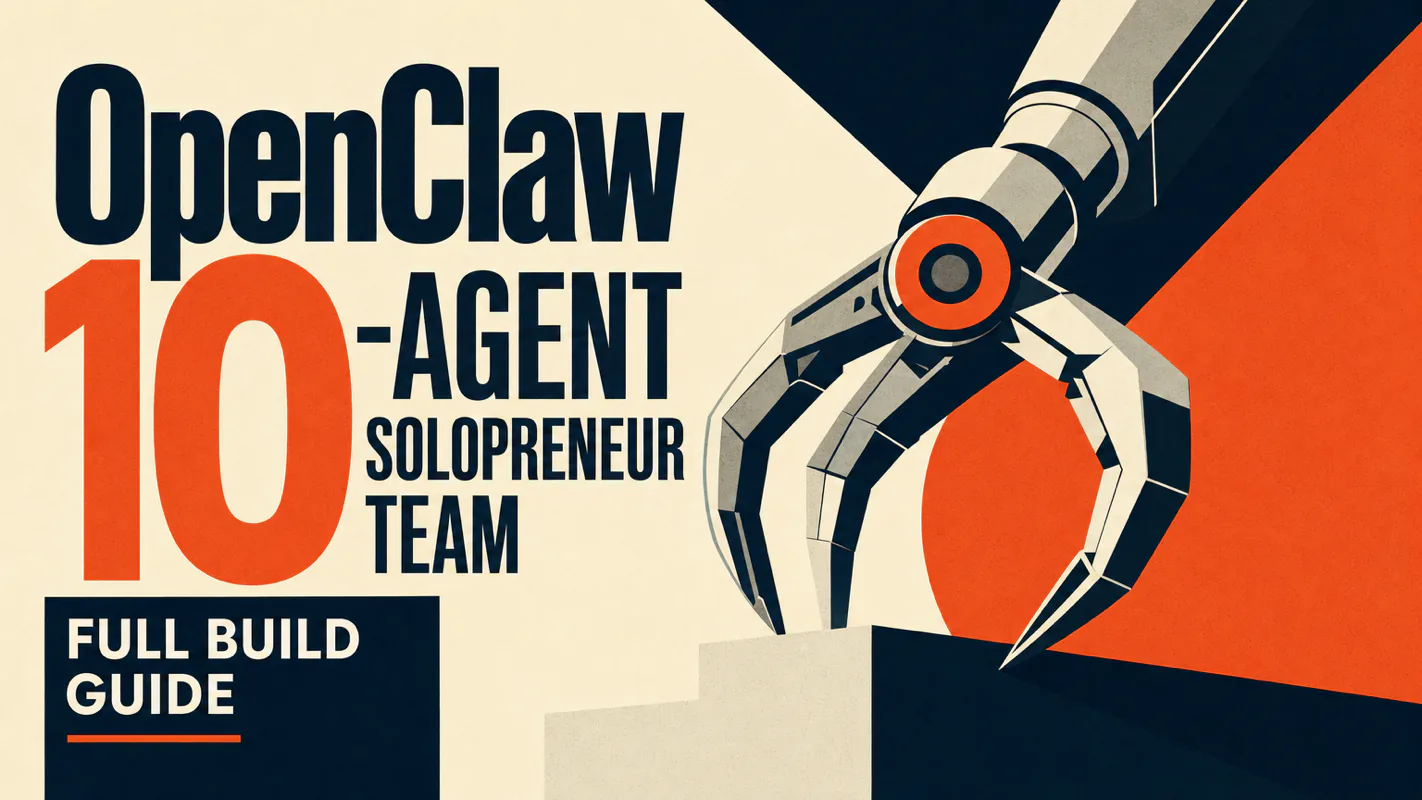
The interesting part is not that ten agents can run. It is the org chart — who owns what, who reports to whom, and which handoffs still need a person standing in the middle.
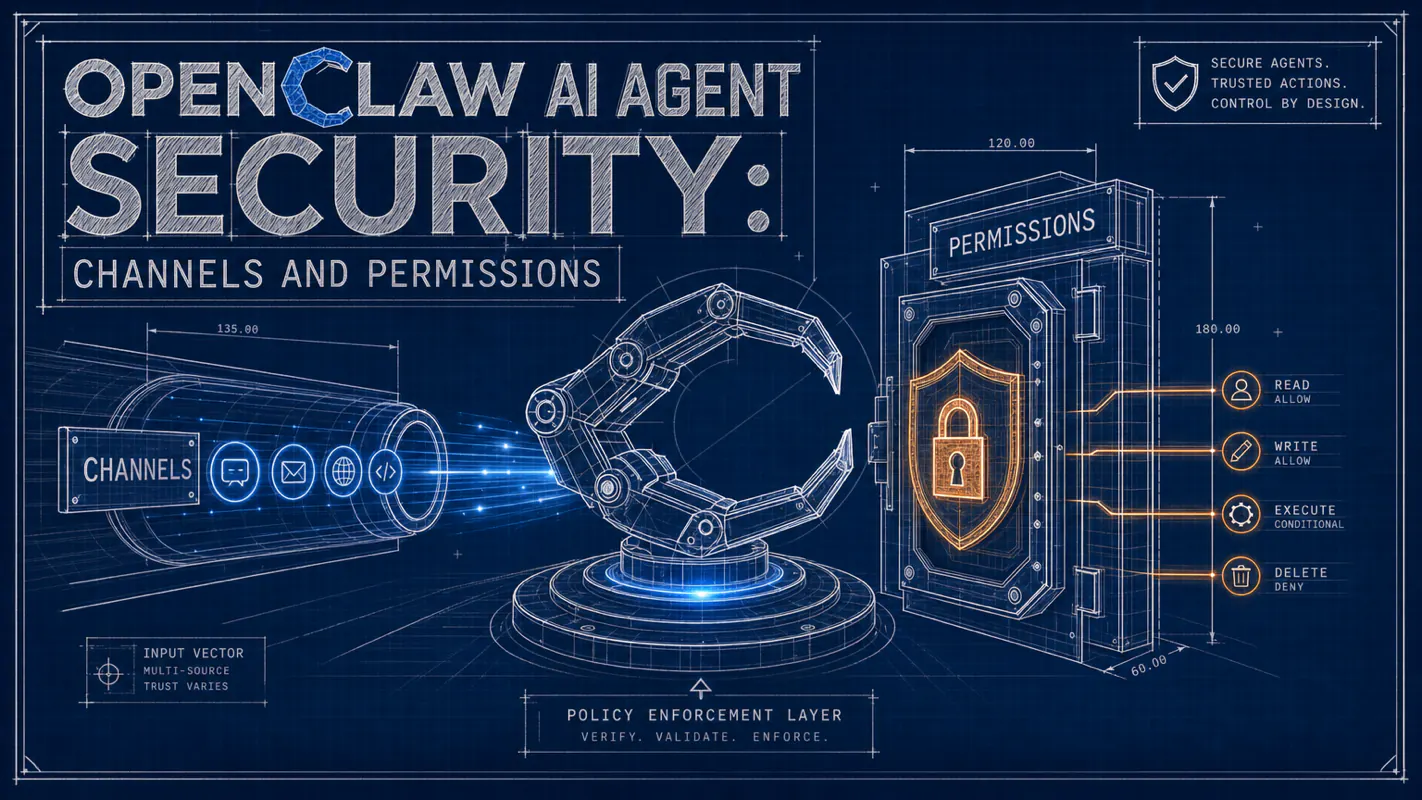
One clever message turns a permission nobody remembers granting into an incident. Three stacked layers keep an ai agent for business safe even after the model has been talked around, and the day to install them is the day you open the first channel.
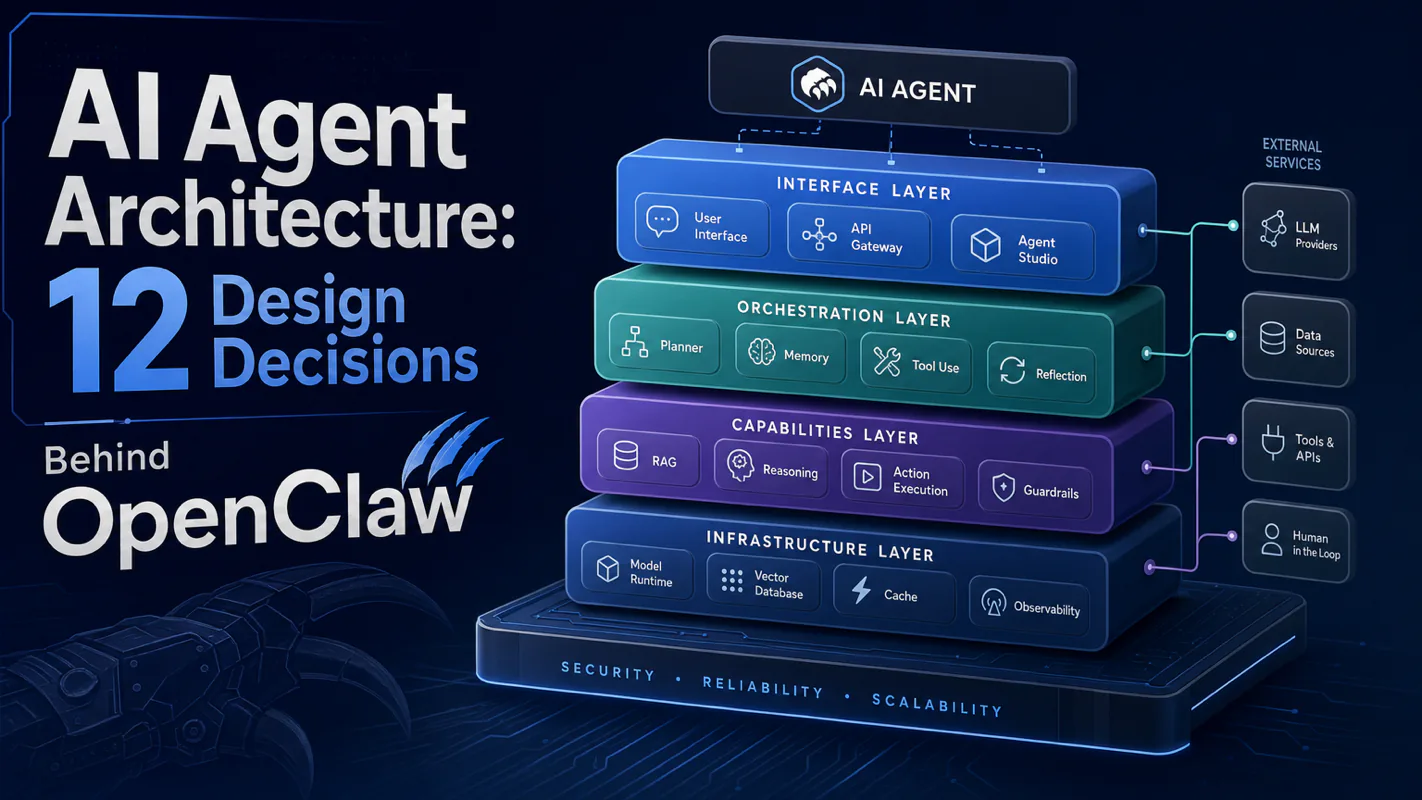
Every one of these twelve decisions gave up something elegant to get something explainable. That trade looks like weakness on day one and like the whole point in month six.
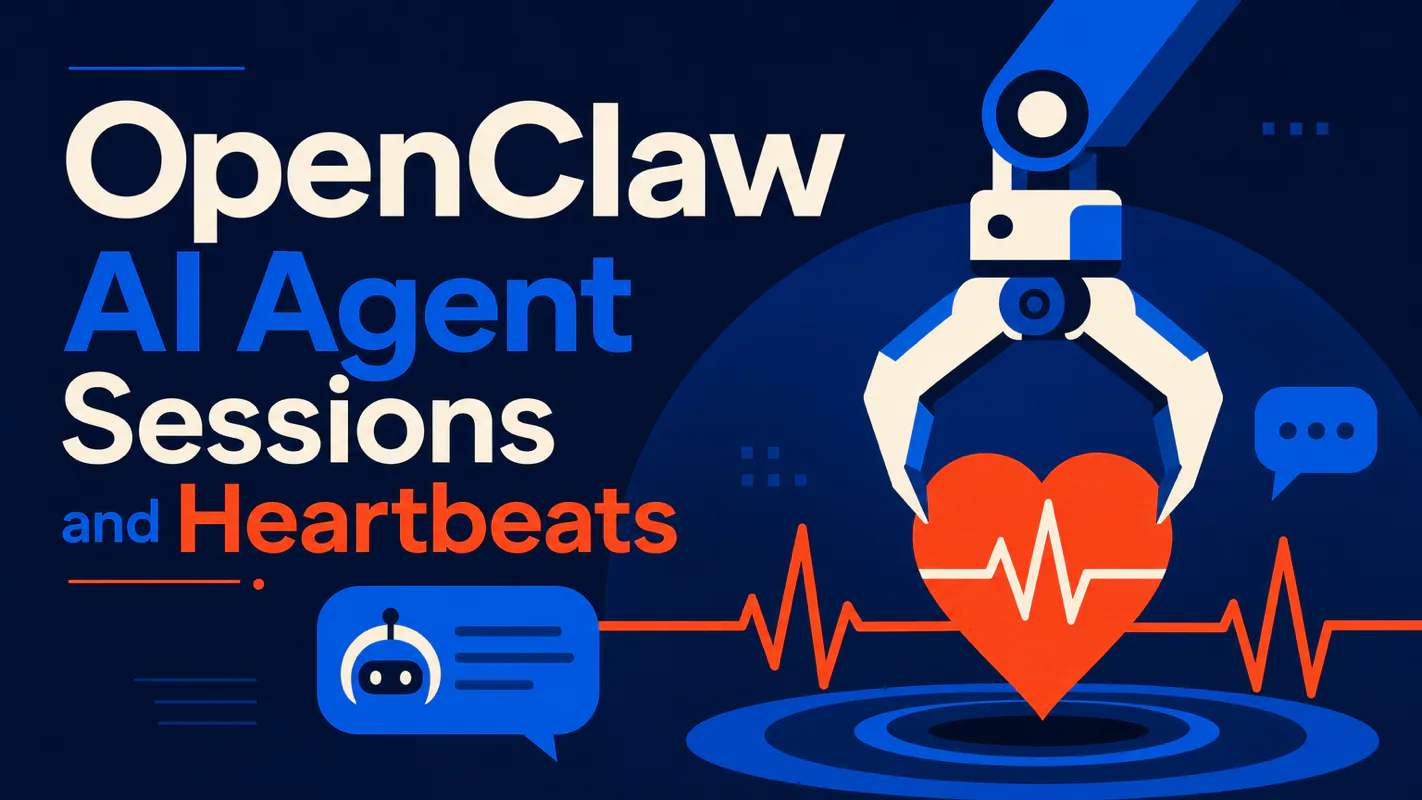
The report that has to be on someone's desk Monday morning does not care whether you were at your keyboard Sunday night. An agent that only moves when prompted cannot take that job. Four primitives change that.
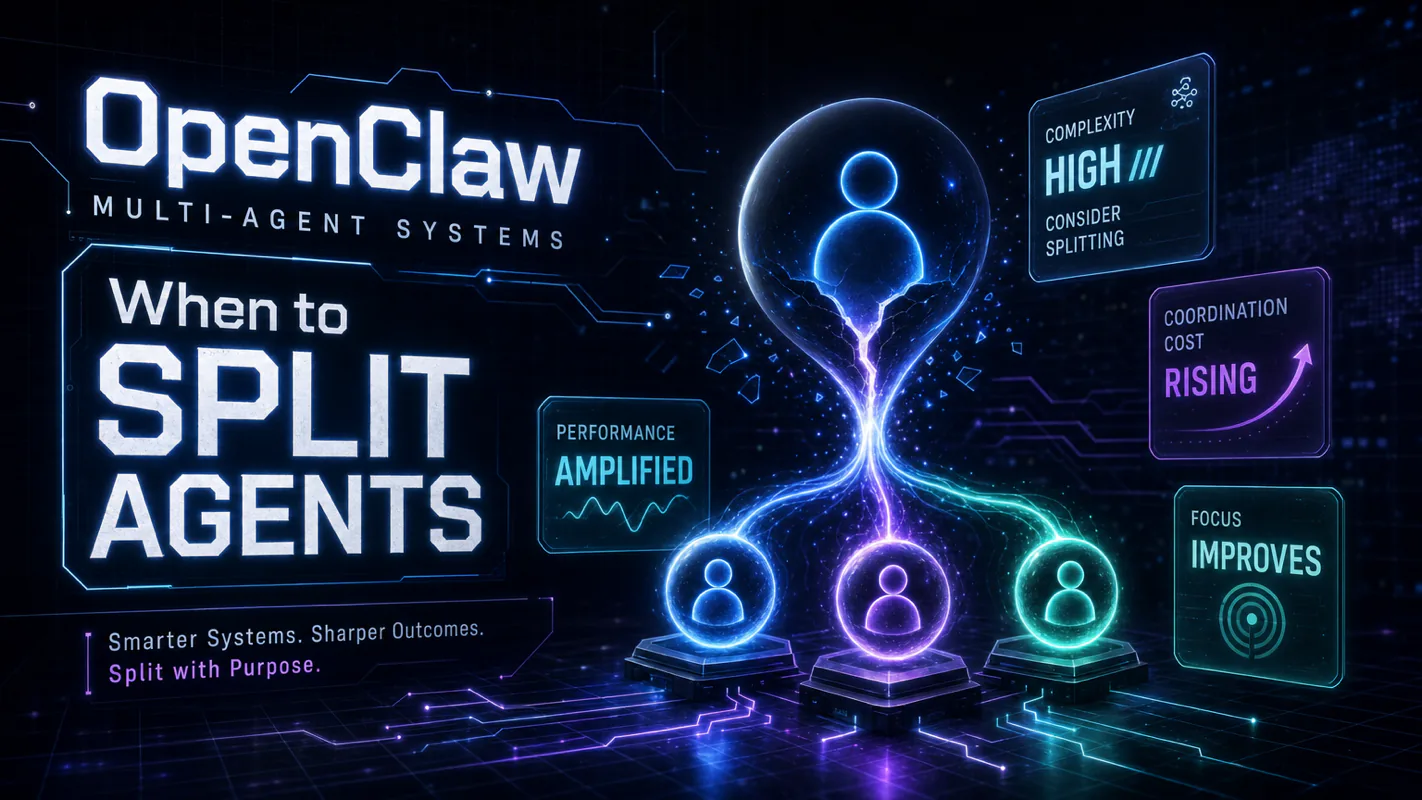
Split too early and you pay coordination tax on work that never needed it. Split too late and nobody can debug what happened. Three signals mark the difference, four mechanisms make it hold.
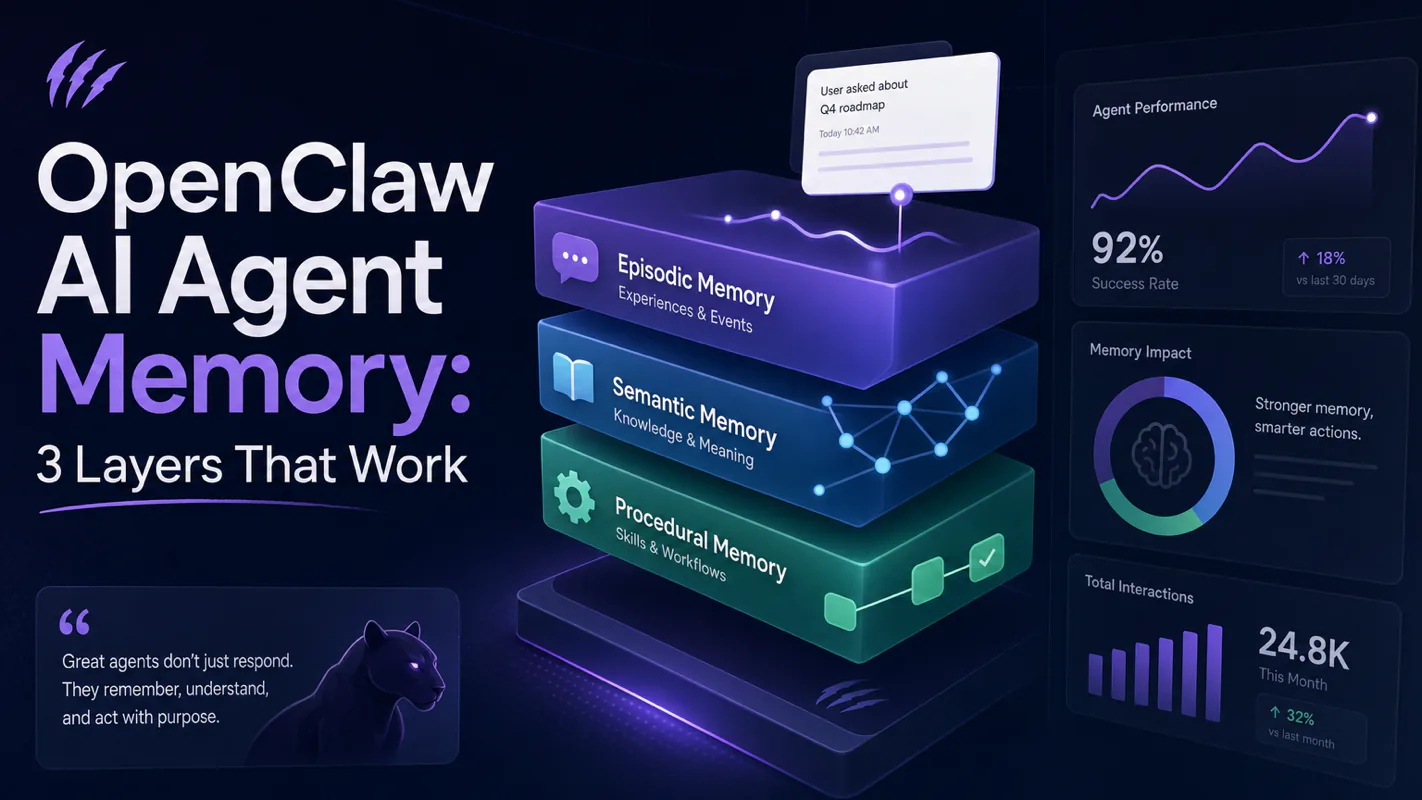
Context dies when the conversation ends. Memory survives. An AI agent doing real business work needs three memory layers: append-only logs, refined notes, and identity. Get the layering wrong and it asks who you are every Monday.
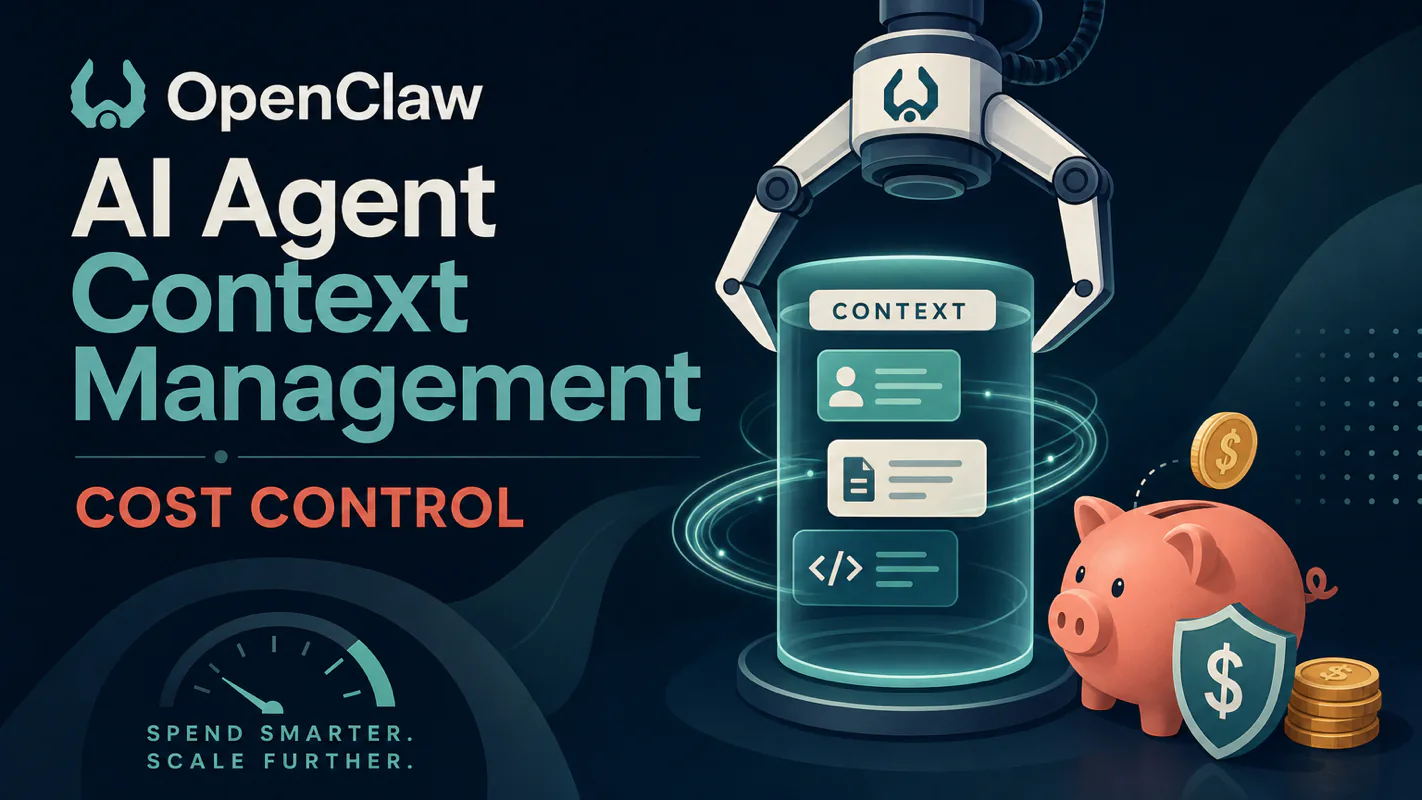
Every token the model sees gets paid for, on every single call. That is the one line on the invoice nobody budgets for — and it is also the one you have the most control over, once you can see it.
When I figure out how to get something real done with AI, you get the write-up — every step, including the parts that didn't work.