I Let Claude Code Control My Logged-In Chrome (Setup Guide)
A beginner's guide to letting your AI agent work in your own logged-in Chrome with free Chrome Use: four setup steps, all 8 prompts, and the honest account risks.
A beginner's guide to letting your AI agent work in your own logged-in Chrome with free Chrome Use: four setup steps, all 8 prompts, and the honest account risks.

A 30-minute video is too long for one conversation. This guide walks the 8-step Skill that locks the narration and one look, then gives each 3-minute segment to a fresh sub-agent, five at a time, and polishes the cut in an empty-context session.
The folder structure behind my AI agent team, the Herdr setup where Grok Build, Claude Code and Kimi Code work side by side, and the two live tasks from the video: an article published by voice and a three-model front-end test.
OpenAI's coding agent

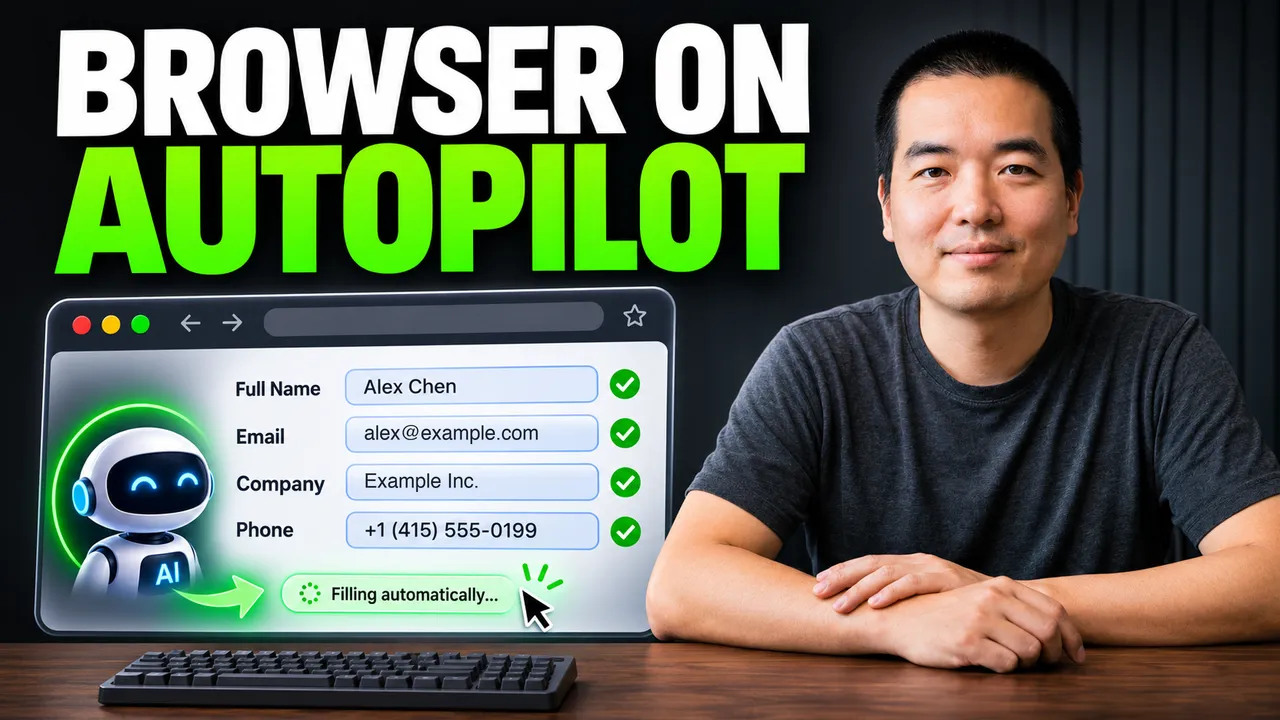
A beginner's guide to letting your AI agent work in your own logged-in Chrome with free Chrome Use: four setup steps, all 8 prompts, and the honest account risks.
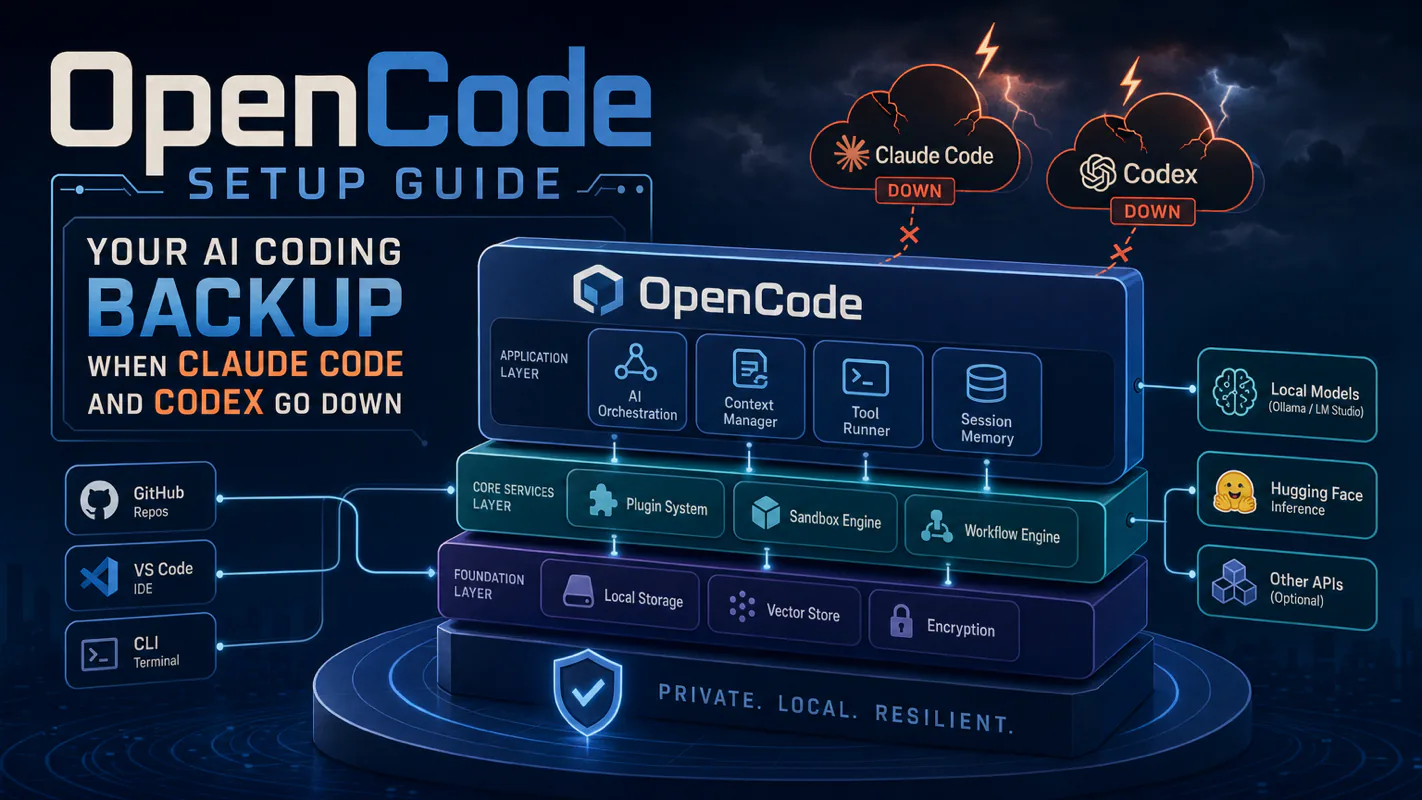
Two vendor-locked tools is not redundancy, it is two eggs in one basket, as a single morning of simultaneous lockouts proved. Install OpenCode as a third path: two install routes, per-task model routing that also cuts cost, five settings to configure first.
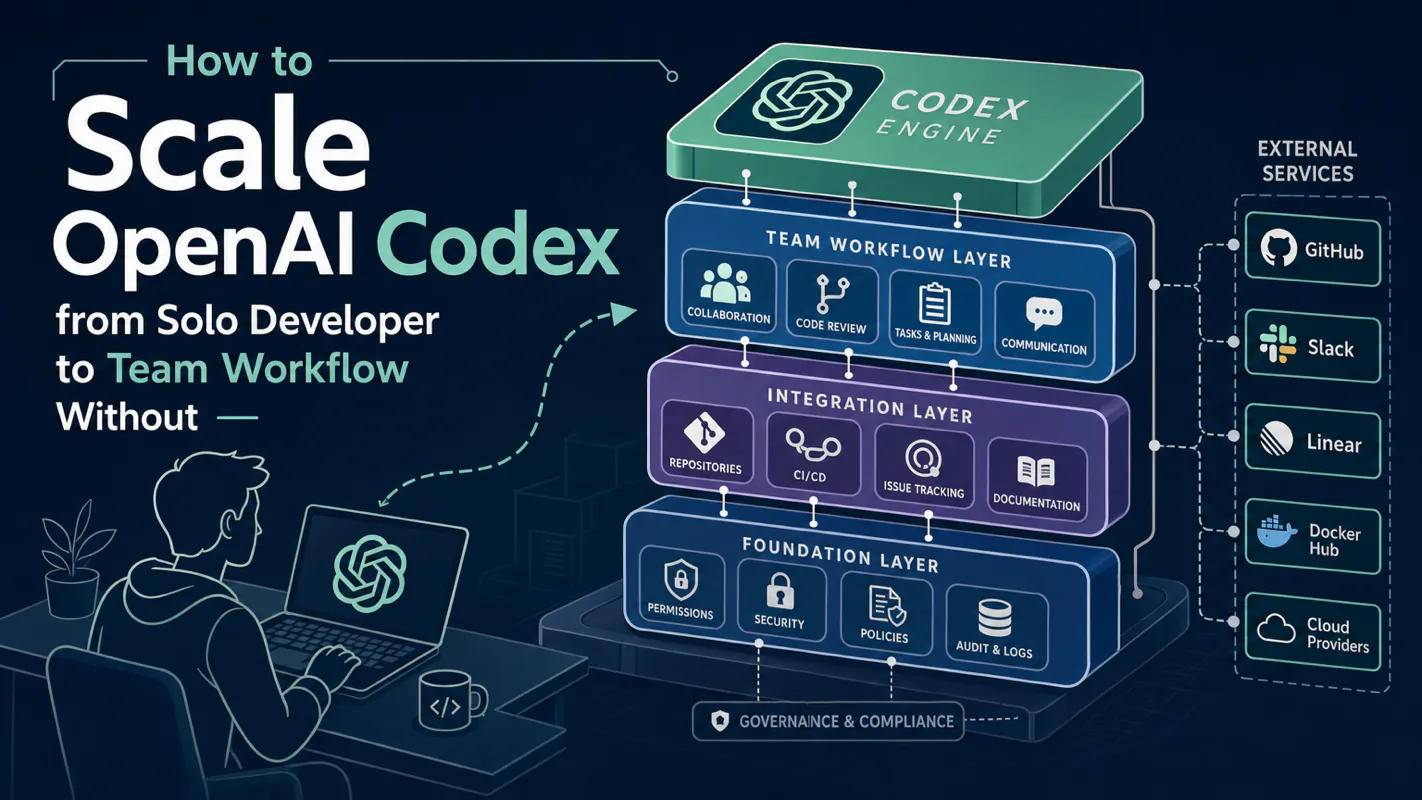
Nothing about the tooling changed. What changed is that the conventions living in one person's head now have to live somewhere three people can reach.
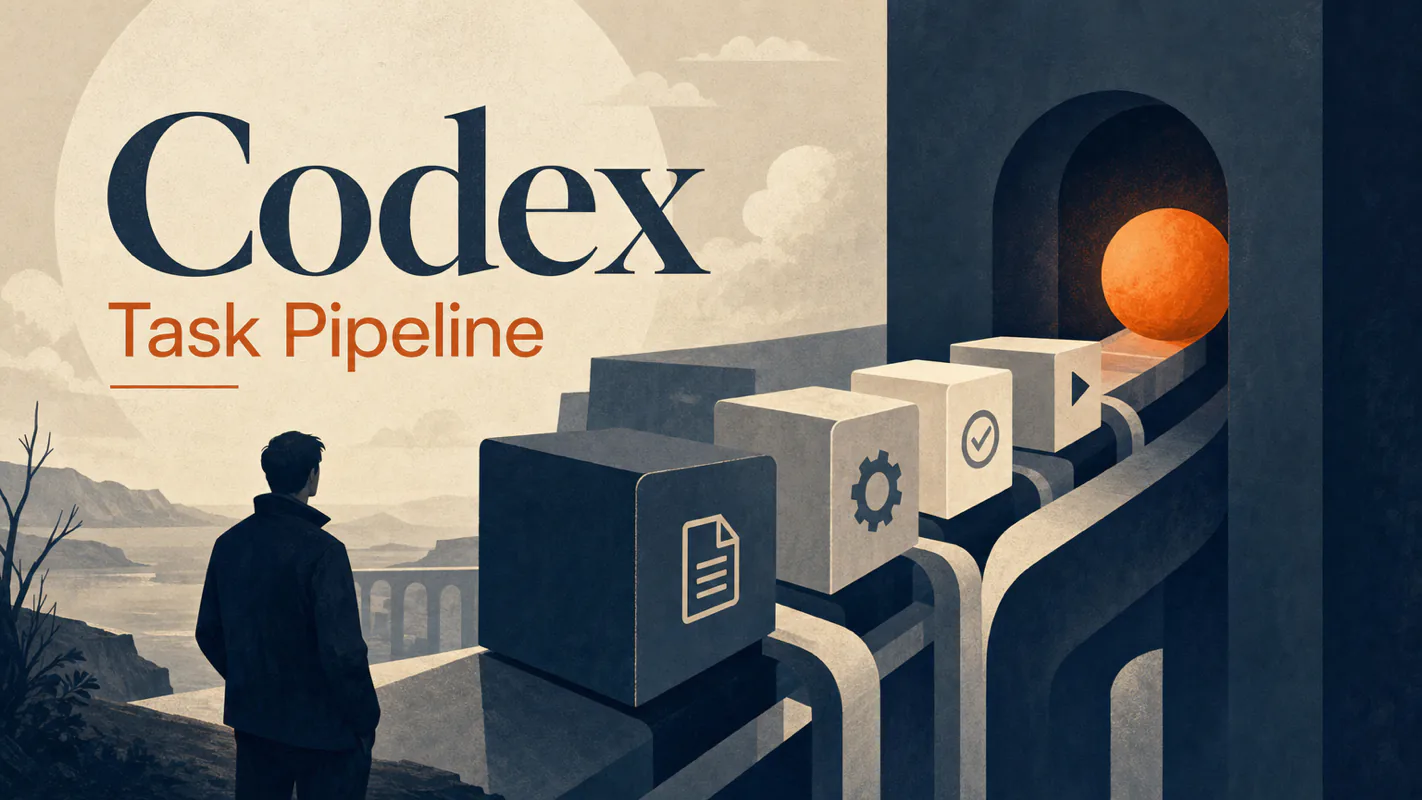
Codex rewrites three files you never mentioned and reports "Done." The problem is almost never the model — it is the assignment. Seven observable checkpoints for writing clearer task briefs, spotting drift in real time, and verifying output before you merge anything.
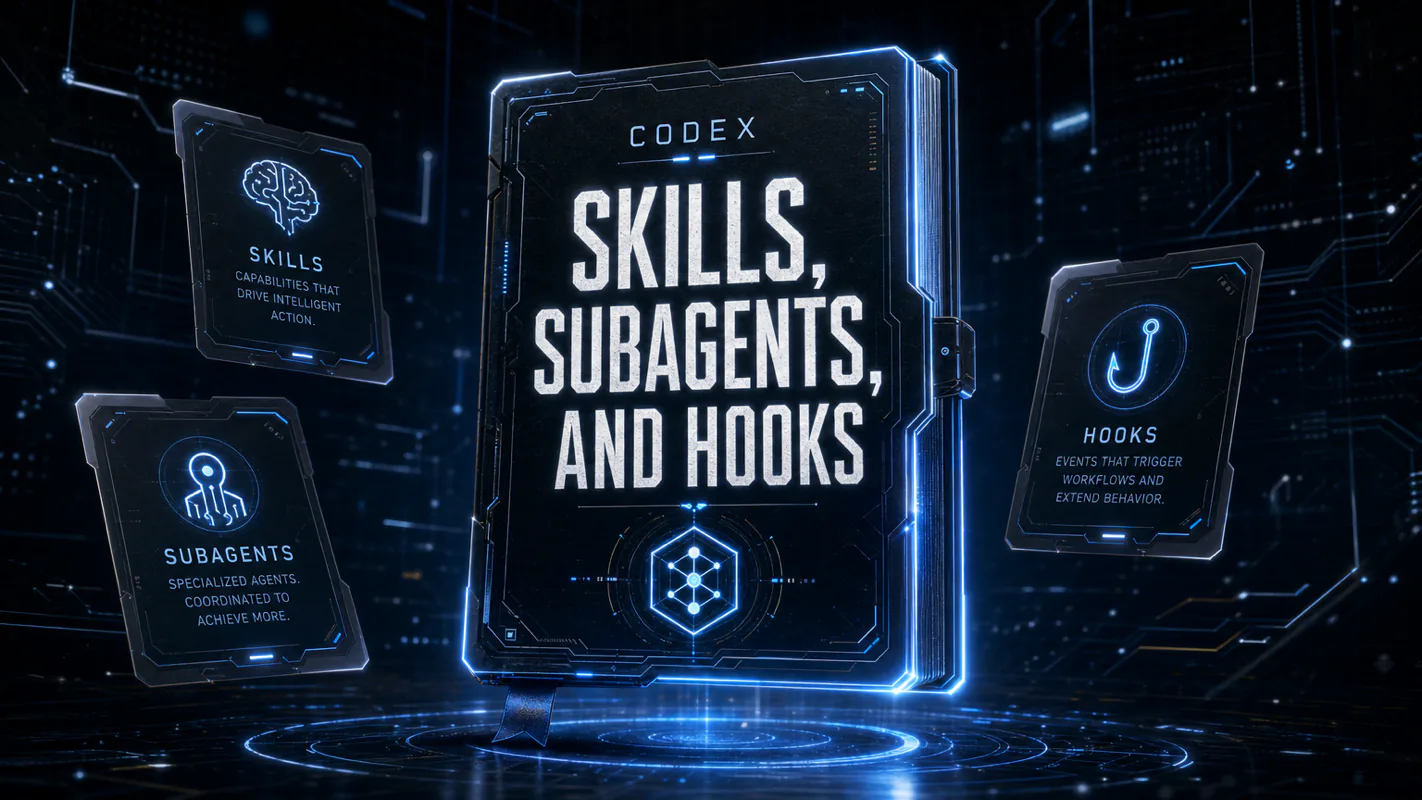
Skills, Subagents, and Hooks answer three different questions and get confused for one another constantly. Reusable procedure, parallel execution, or an enforced check? Three questions asked in order route any task correctly, with beginner pitfalls named.
Most people find out where the boundary sits by hitting it mid-task. The two layers are simple enough to understand in advance — and understanding them in advance is the whole difference.
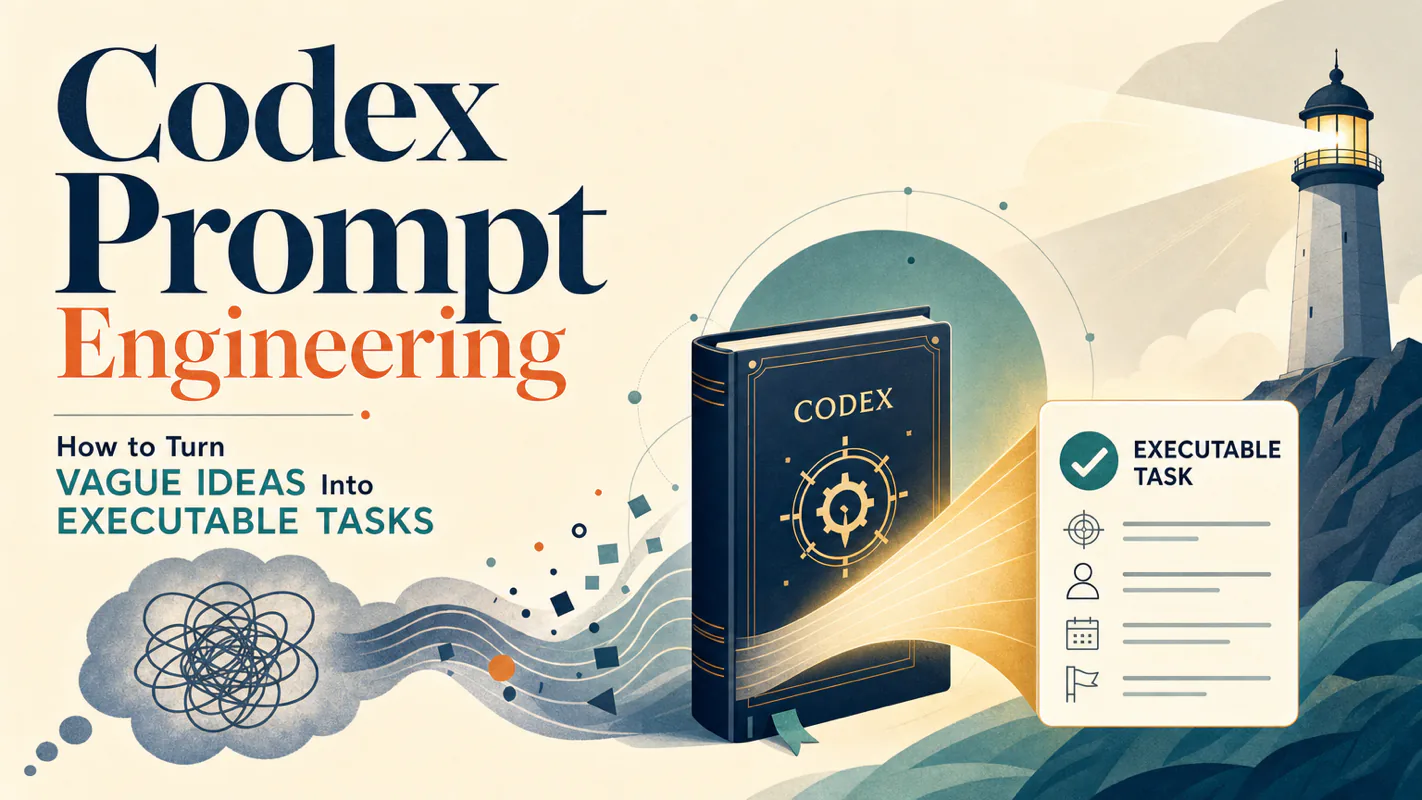
Send a contractor one line and you get one line's worth of thinking back, in the wrong shape. The fix is what procurement learned years ago: write down what done means before work starts. The 5-field template, 8 anti-patterns, and a 5-step rescue for when an AI assistant for business goes sideways.
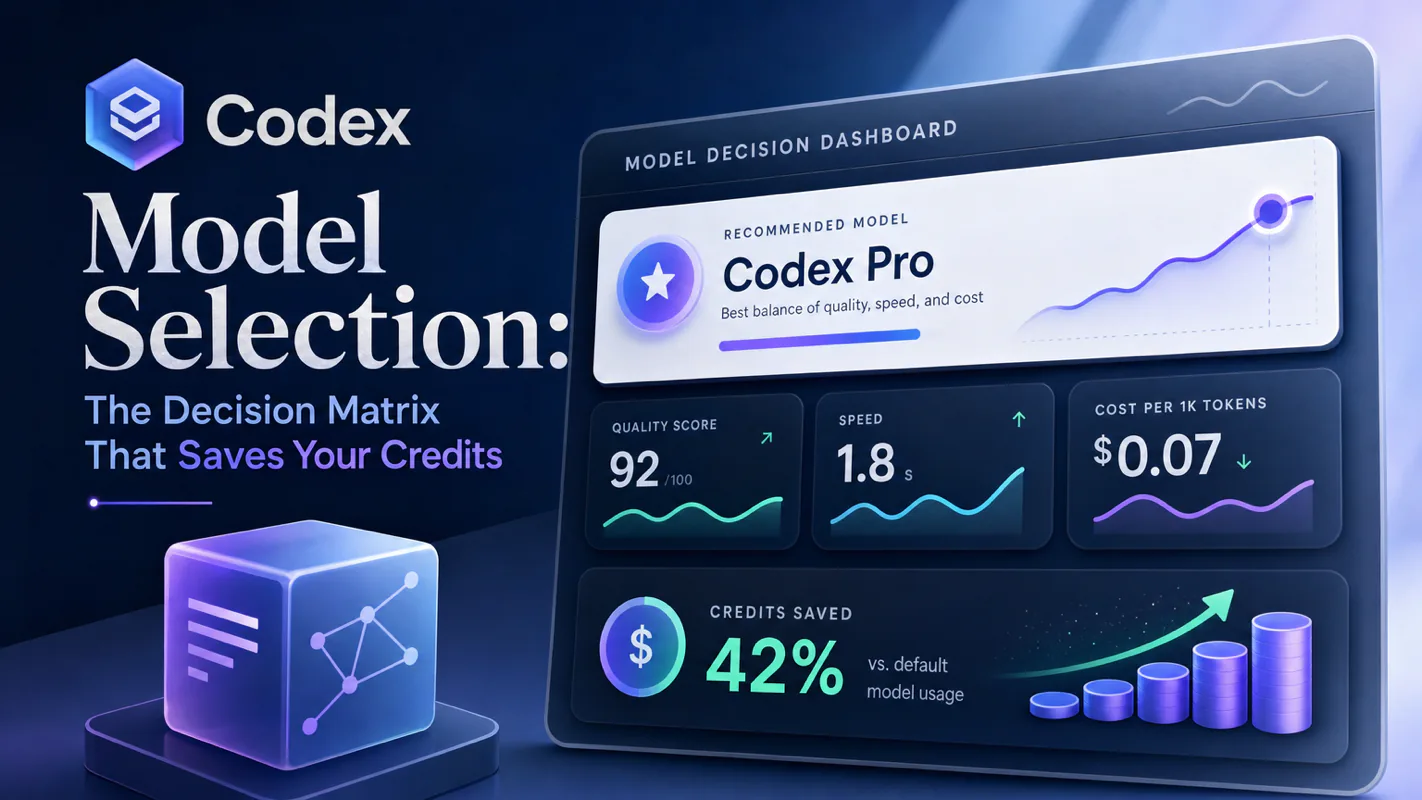
Four dials ship at settings tuned for an average user who does not exist. Knowing when to downshift is worth more than knowing which model is strongest.
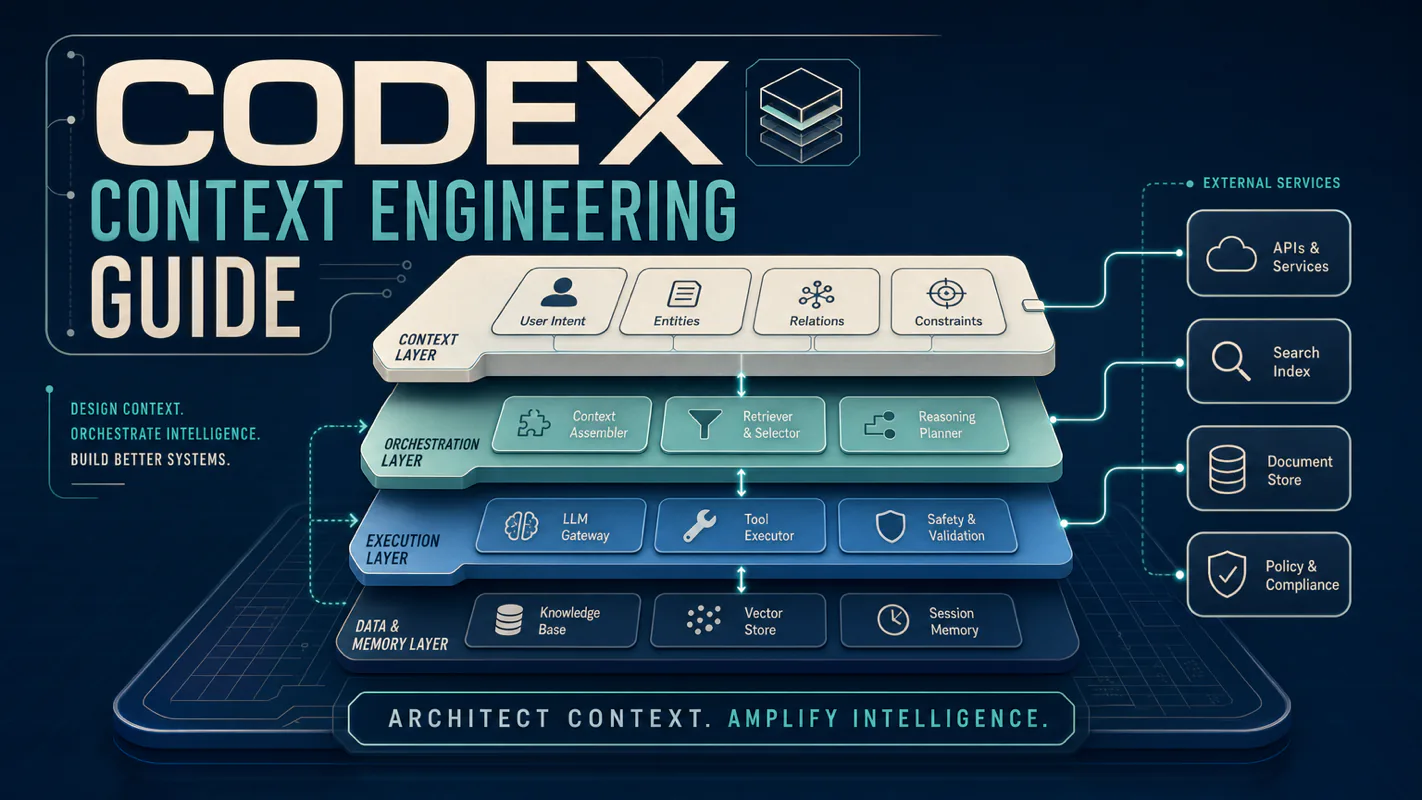
Every agency has a phrase for it: bad brief, bad work. It survives the move to AI intact. Most agent failures are not the model getting dumber. They are a vague goal, no boundaries, and fifteen files of material where two would do. Here is what to put on the desk before you hand over your work.
Nothing throws an error when ai automation tools run on the settings they shipped with. The cost surfaces as rework nobody traces. Nine Codex modules govern instructions, sandboxing, profiles, hooks, and context; most installs configure none of them.
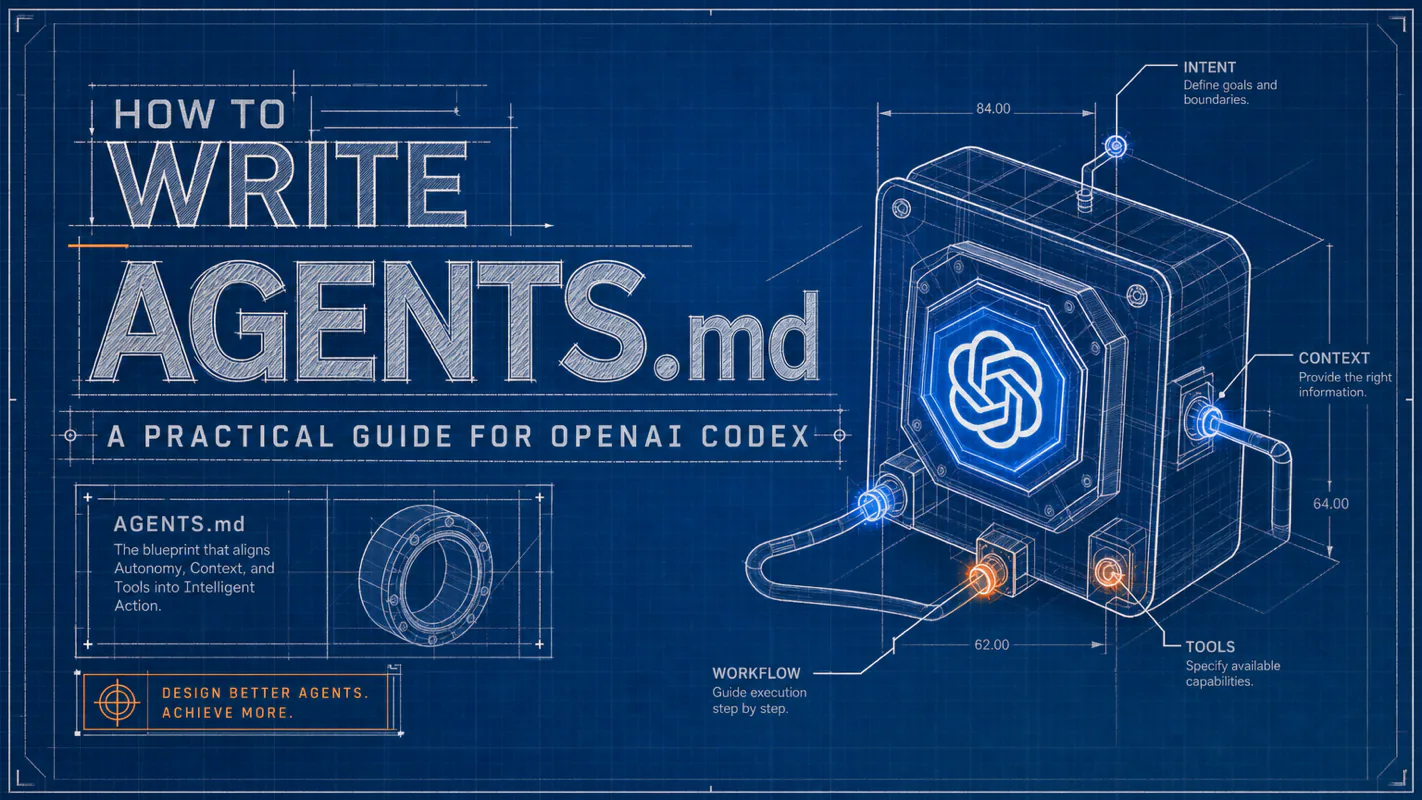
An unwritten rule costs you one mistake per new person. Coding agents shorten that to one per session, since each starts blank. Twelve lines of business process automation in a file the agent reads before touching anything, grown only when something breaks.
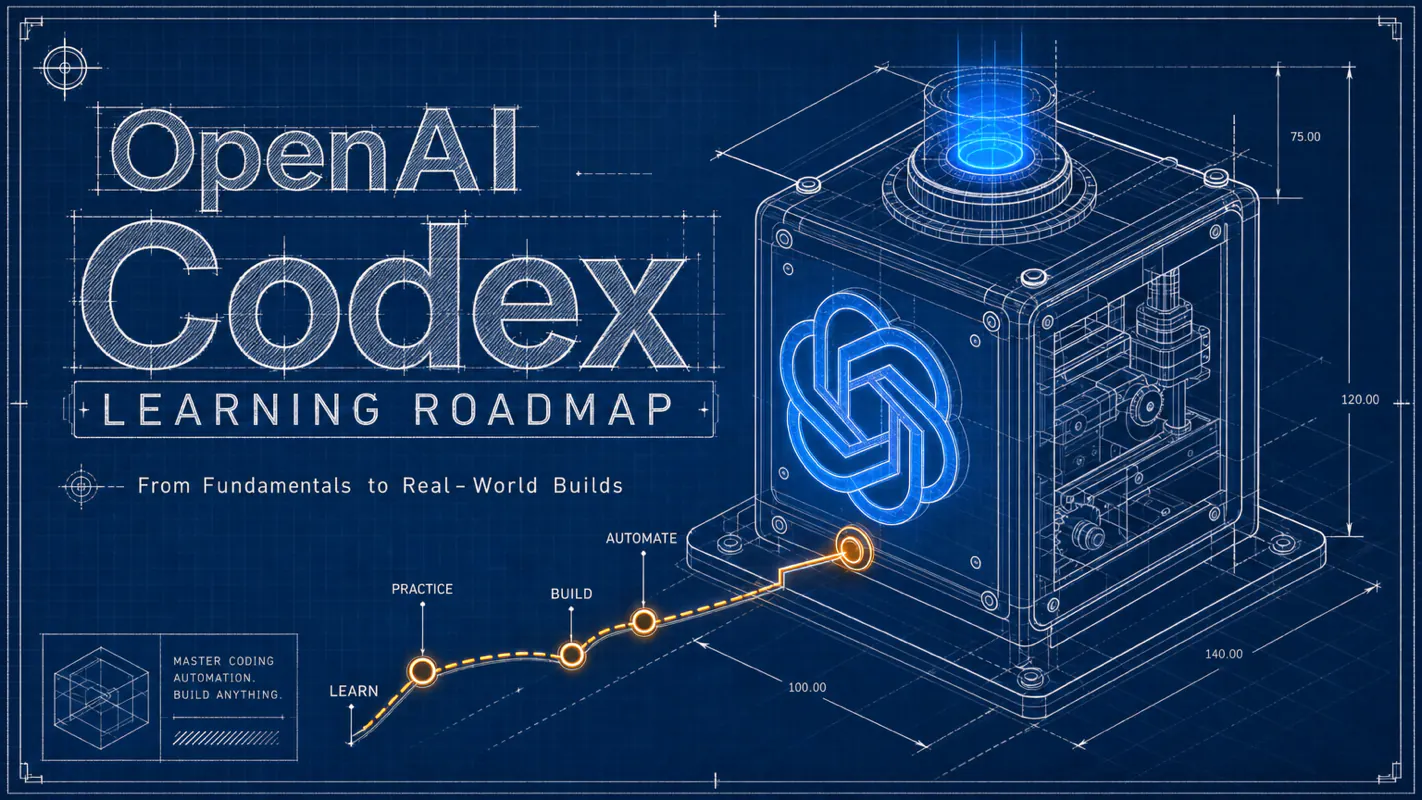
Abundant material with no ordering is why Codex feels harder than it is. Twelve topics ranked by payoff, three routes by role, and the three that earn their keep in month one — the sequencing problem behind every workflow automation software rollout.
When I figure out how to get something real done with AI, you get the write-up — every step, including the parts that didn't work.