I Let Claude Code Control My Logged-In Chrome (Setup Guide)
A beginner's guide to letting your AI agent work in your own logged-in Chrome with free Chrome Use: four setup steps, all 8 prompts, and the honest account risks.
A beginner's guide to letting your AI agent work in your own logged-in Chrome with free Chrome Use: four setup steps, all 8 prompts, and the honest account risks.

A 30-minute video is too long for one conversation. This guide walks the 8-step Skill that locks the narration and one look, then gives each 3-minute segment to a fresh sub-agent, five at a time, and polishes the cut in an empty-context session.
The folder structure behind my AI agent team, the Herdr setup where Grok Build, Claude Code and Kimi Code work side by side, and the two live tasks from the video: an article published by voice and a three-model front-end test.
What I built, step by step, and what broke

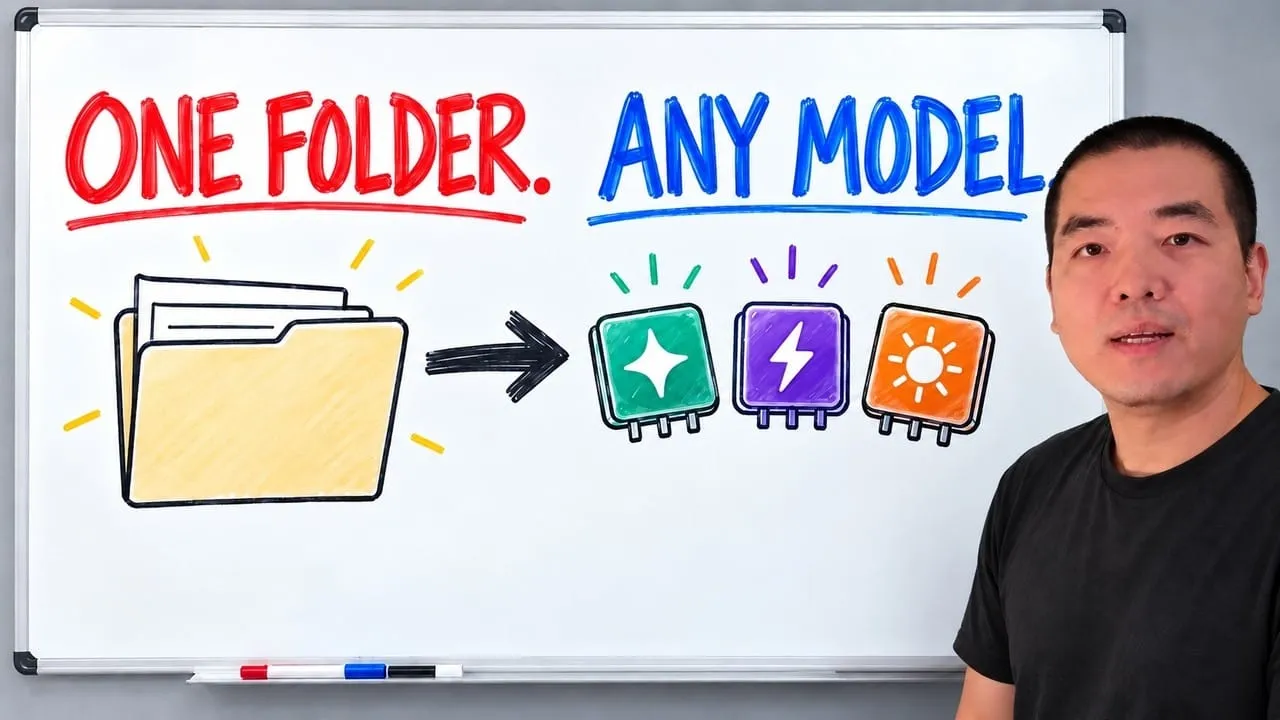
The folder structure behind my AI agent team, the Herdr setup where Grok Build, Claude Code and Kimi Code work side by side, and the two live tasks from the video: an article published by voice and a three-model front-end test.
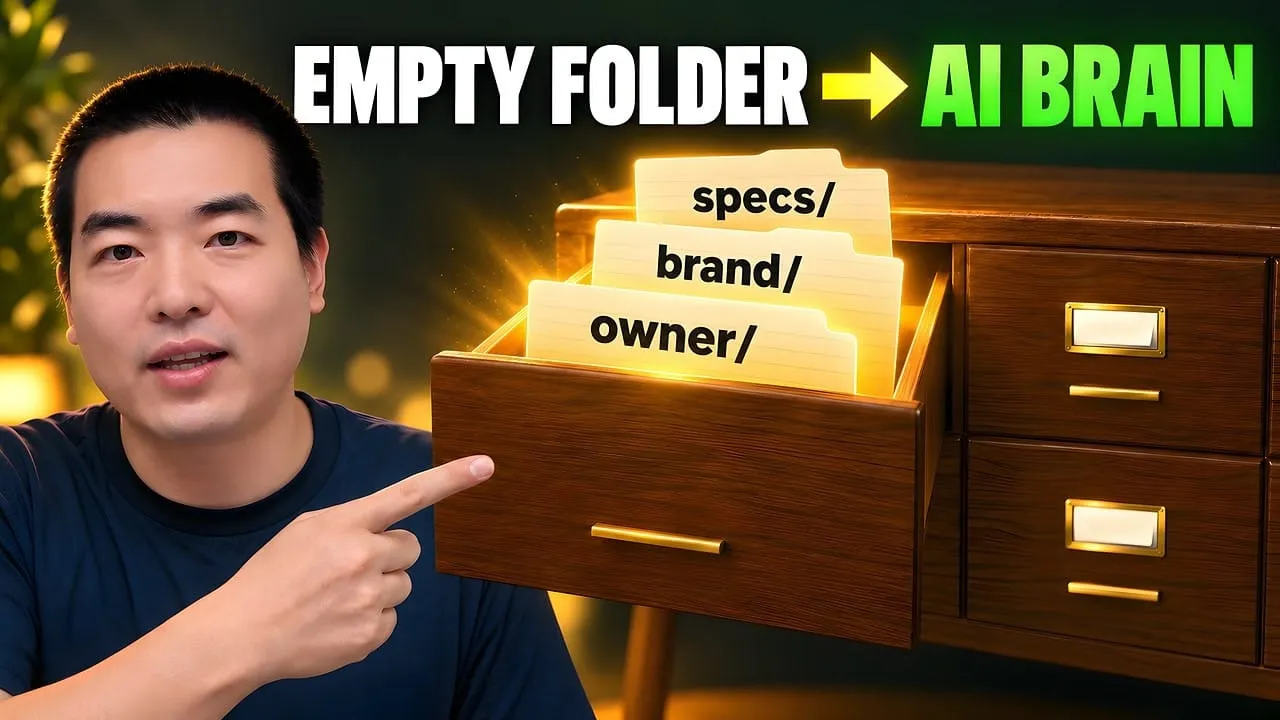
Eight folders of plain Markdown, a CLAUDE.md index in each, and seven prompts that make your agent interview you. Every prompt, template and command from the video, in order.
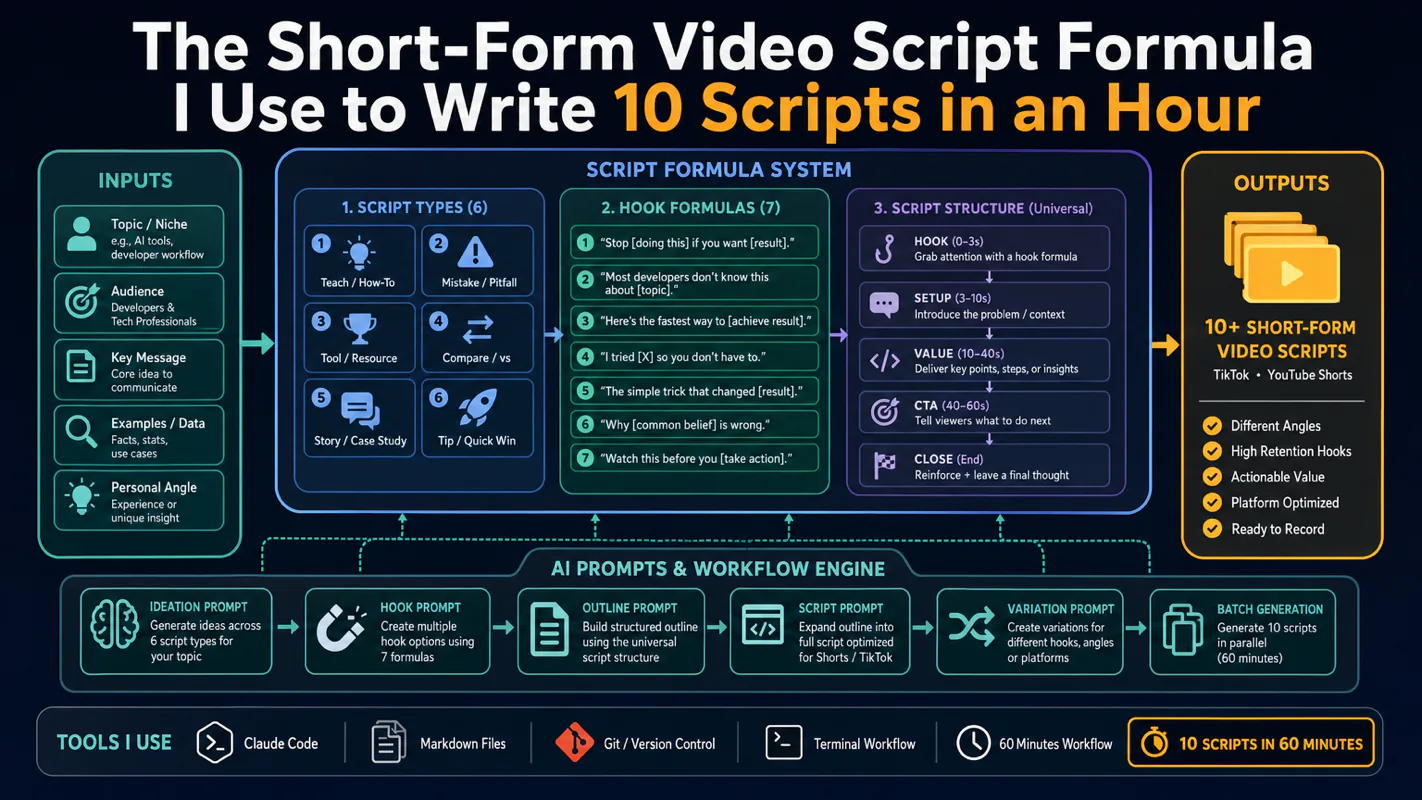
Thursday afternoon, fourteen product ideas, a Monday filming slot, no scripts. Six script shapes and seven hook formulas turn that hour into finished drafts — and the business rule stays: rewrite at least 30% before anything ships.

Great work gets ignored when it fails to trigger the switches that make readers click, finish, and share. This Skill scores a draft across 7 psychological dimensions before you publish. One documented run moved a post from 6.7 to 9.2 in three rounds.

Treating every post as a fresh project is what turns one creator into the bottleneck for four platforms. Writing faster does not fix it; defined handoffs between five stages do. Workflow automation software, pointed at editorial work rather than at invoices.
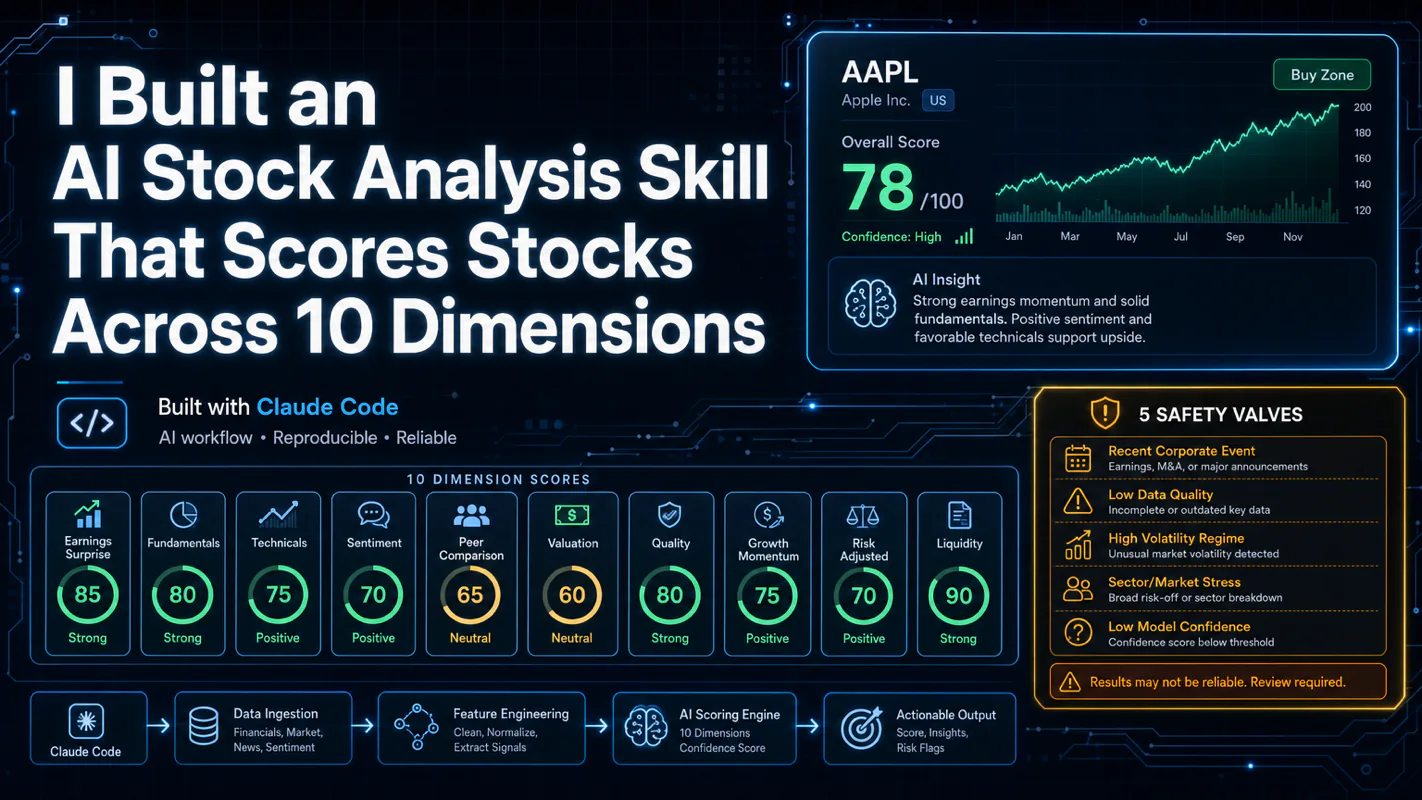
One number hides more than it shows. This Claude Code Skill scores US equities across 10 dimensions, from earnings surprise to peer comparison, with confidence scoring and 5 safety valves that flag thin data. A coding tutorial, not financial advice.
Before asking which product to sell, ask whether the category is worth entering at all. Five dimensions — lifecycle, saturation, price band, creator ecosystem, whitespace — turn one person's gut call into a written check any teammate can run before capital moves.

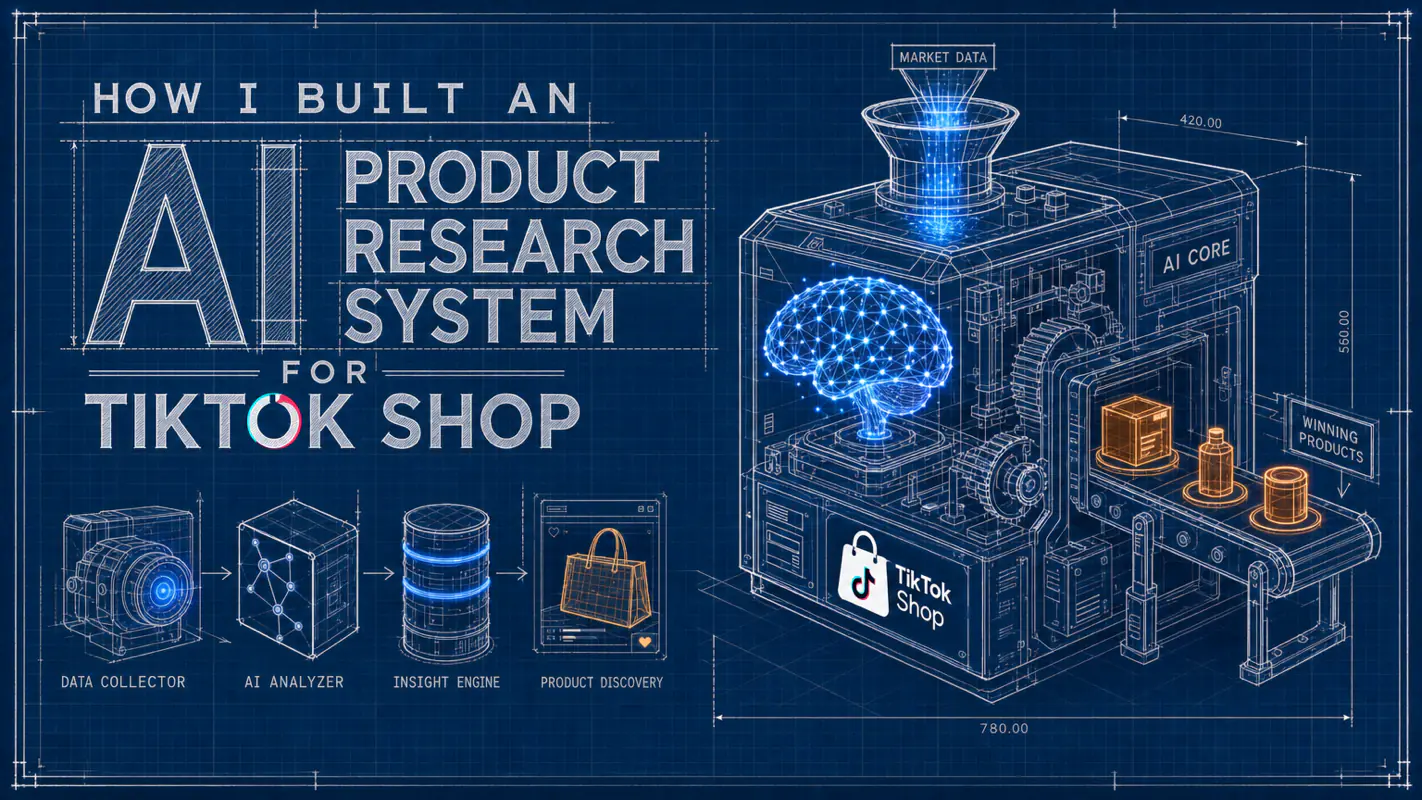
Most sellers pick products from whatever is trending. This system takes one keyword and returns a 600-line market report — product data, store strategies, creator analytics, pricing, and an 8-week action plan. The transferable part is the 11 named steps anyone can rerun.
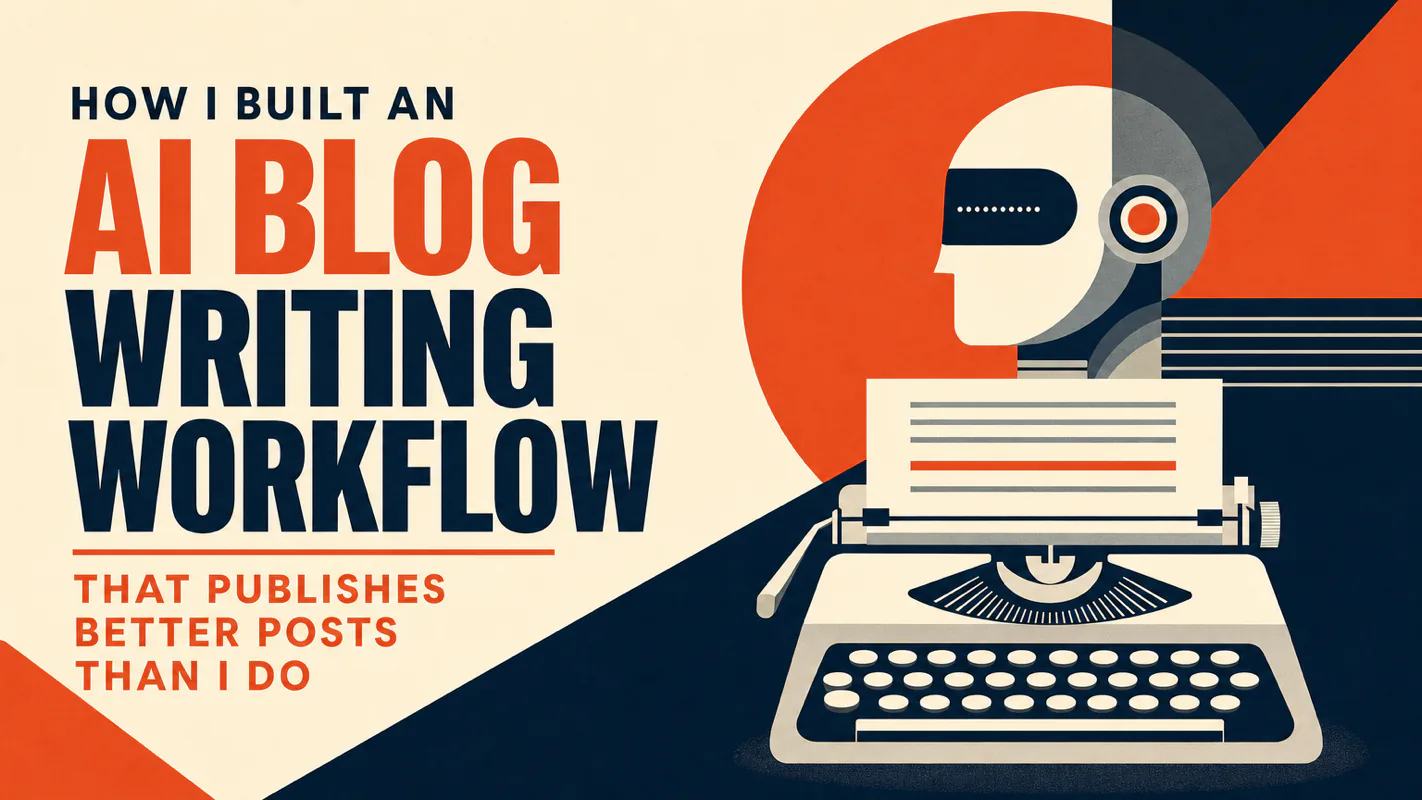
Publishing eats your week through research, SEO fields, images, and uploading — not writing. Here is the 10-step workflow automation pipeline that takes a topic to a published draft on one command, and the data contract that lets each step hand off cleanly to the next.

Four environment variables put DeepSeek V4 inside Claude Code. One unattended run, about $3, and back came 15 files plus 532 lines of Python that ran - alongside the failures that repeat every time. A tier-drop decision for your AI assistant for business, made on evidence.

Fluent answers that cannot be traced back to a provision are unusable. This build grounds generation in a fixed corpus: 8.5M words, a Markdown-plus-JSON dual layer, an 8-step retrieval workflow, and a real case run end to end.

162 Markdown documents, one cloud knowledge base, searchable by meaning from Claude Code, Cursor, or n8n — and by your teammates. One command deploys it. The payoff is that a written answer gets made once and reused, instead of re-litigated three times a quarter.
When I figure out how to get something real done with AI, you get the write-up — every step, including the parts that didn't work.