I Let Claude Code Control My Logged-In Chrome (Setup Guide)
A beginner's guide to letting your AI agent work in your own logged-in Chrome with free Chrome Use: four setup steps, all 8 prompts, and the honest account risks.
A beginner's guide to letting your AI agent work in your own logged-in Chrome with free Chrome Use: four setup steps, all 8 prompts, and the honest account risks.

A 30-minute video is too long for one conversation. This guide walks the 8-step Skill that locks the narration and one look, then gives each 3-minute segment to a fresh sub-agent, five at a time, and polishes the cut in an empty-context session.
The folder structure behind my AI agent team, the Herdr setup where Grok Build, Claude Code and Kimi Code work side by side, and the two live tasks from the video: an article published by voice and a three-model front-end test.
Generating and editing video with AI


A 30-minute video is too long for one conversation. This guide walks the 8-step Skill that locks the narration and one look, then gives each 3-minute segment to a fresh sub-agent, five at a time, and polishes the cut in an empty-context session.
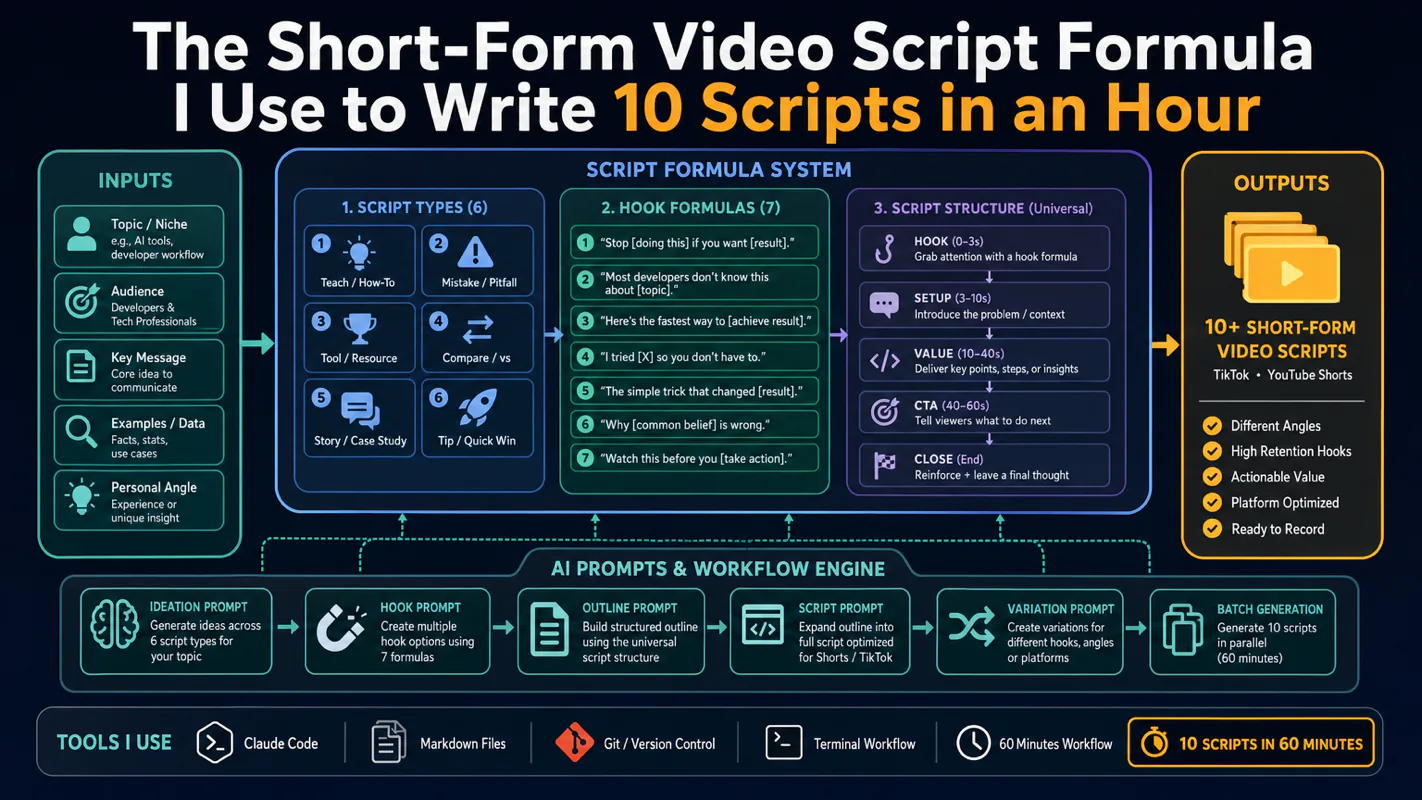
Thursday afternoon, fourteen product ideas, a Monday filming slot, no scripts. Six script shapes and seven hook formulas turn that hour into finished drafts — and the business rule stays: rewrite at least 30% before anything ships.
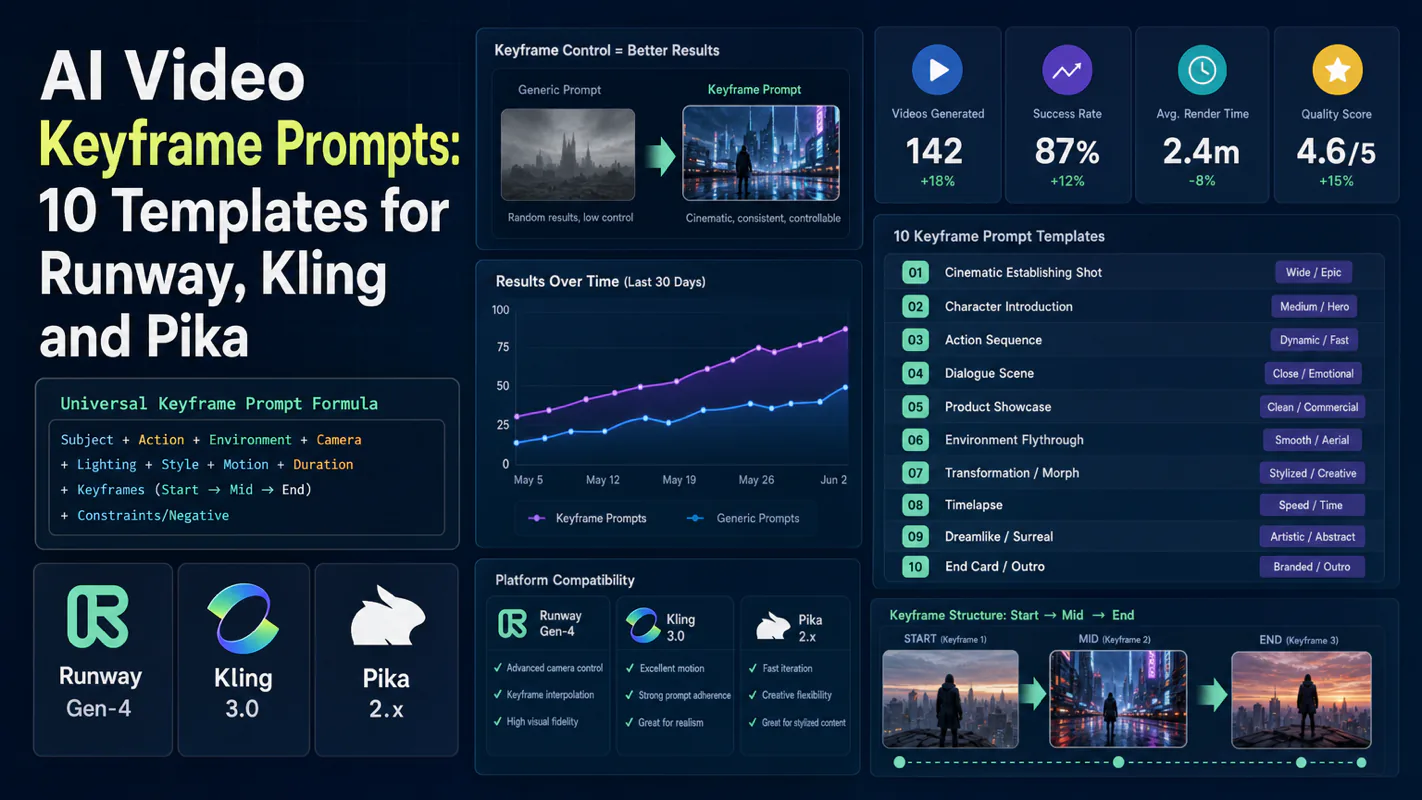
Revisions eat the schedule because text-only generation hands back a middle nobody chose and ends that wander off the board. Ten keyframe prompt templates lock both endpoints up front, so what lands in between is a decision instead of a surprise.
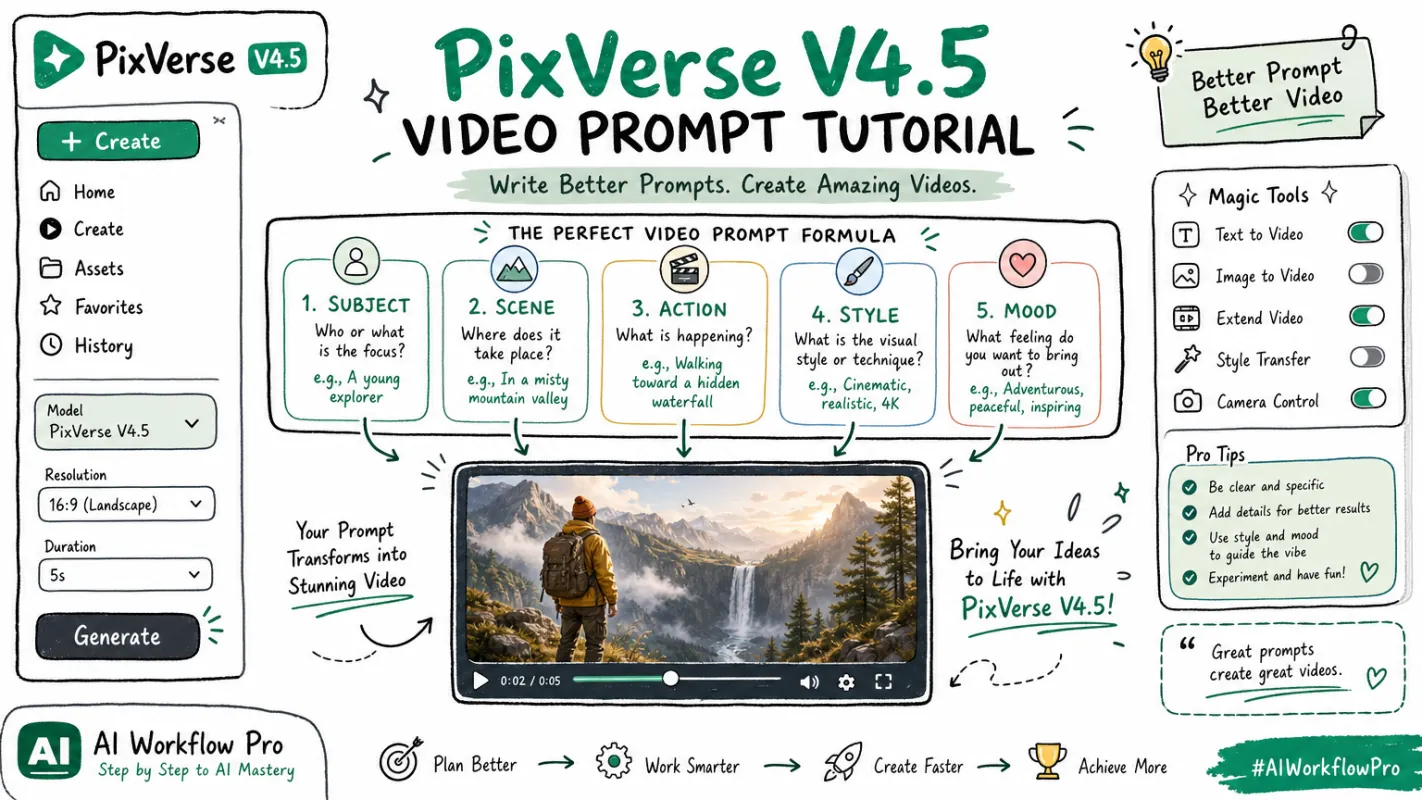
An unused feature bills you in wasted renders, one hopeful attempt at a time. Constraining a request turns output from a lottery into a process, which is why the cheapest place to automate business processes is inside software you already pay for.
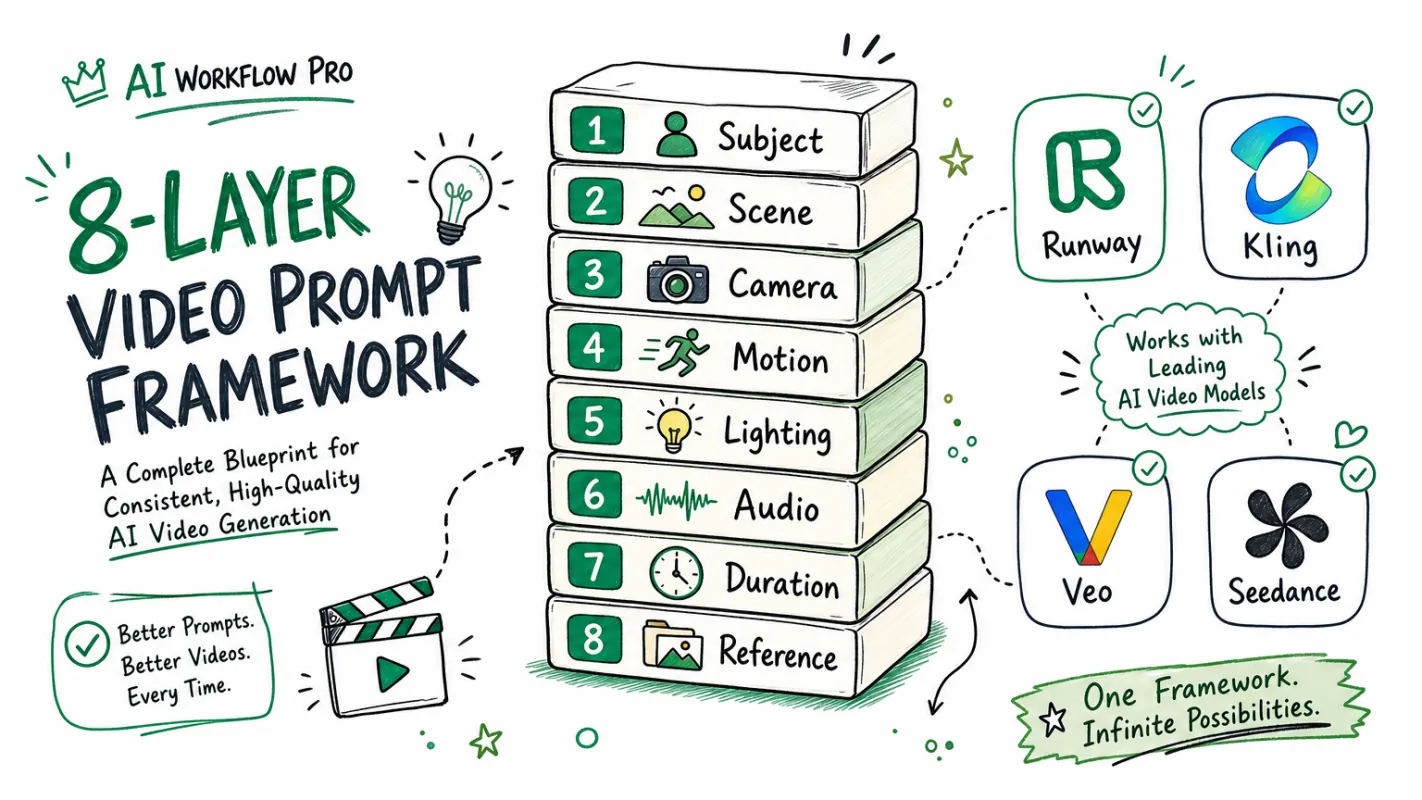
Tool-specific notes have the lifespan of the tool, and here that runs about eighteen months. A brief written one layer up survives the swap, porting across Runway, Kling, Veo and Seedance. Vendor independence is the unglamorous half of any attempt to automate business processes.

A catalogue shot nobody commissioned for video is still a shot you already paid for. Animating one costs a render; generating a product from nothing costs a wrong product on screen. That asymmetry makes reused assets the safest place to automate business processes.
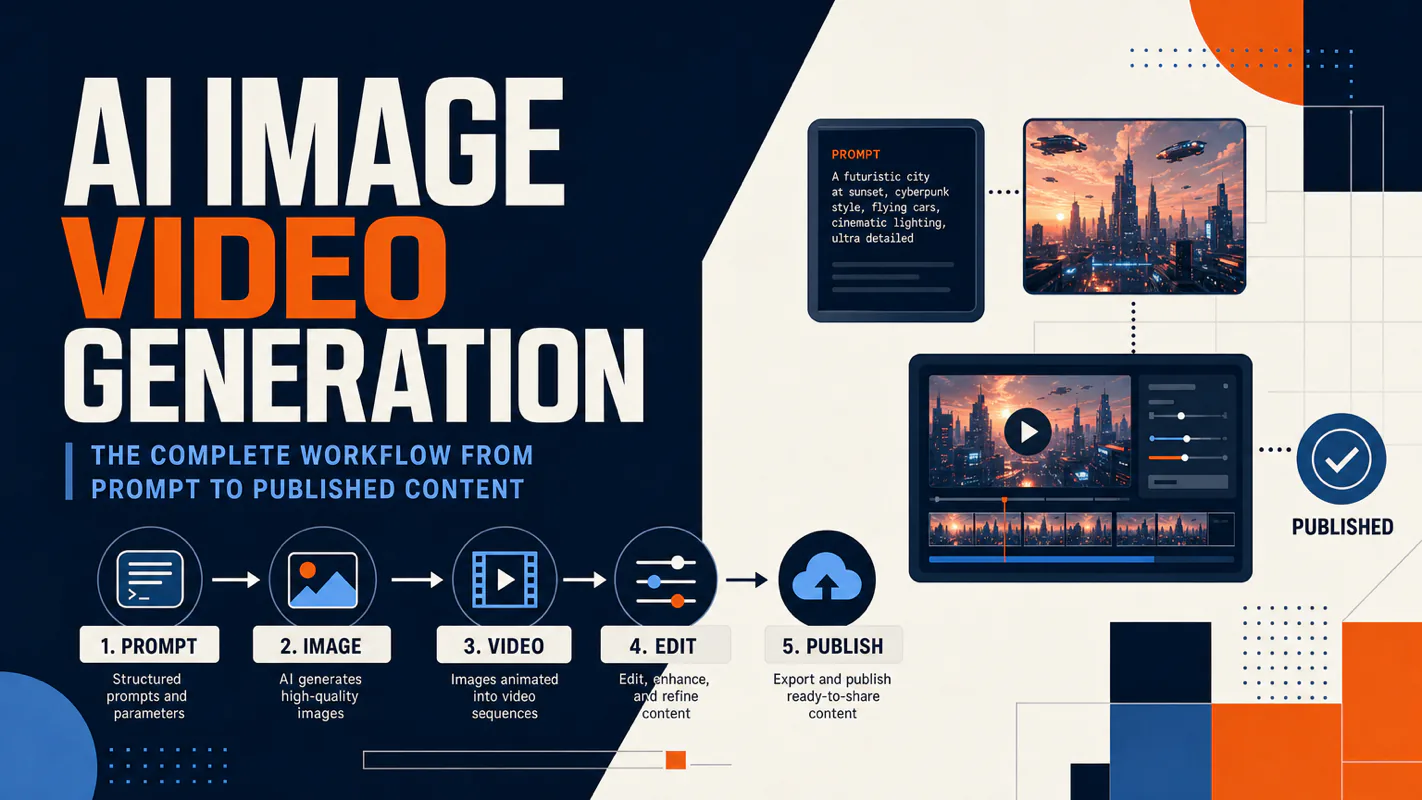
Visuals lose the deadline fight because they have no fixed cost. Give them one — five minutes, three minutes — and they stop being the thing that gets dropped.
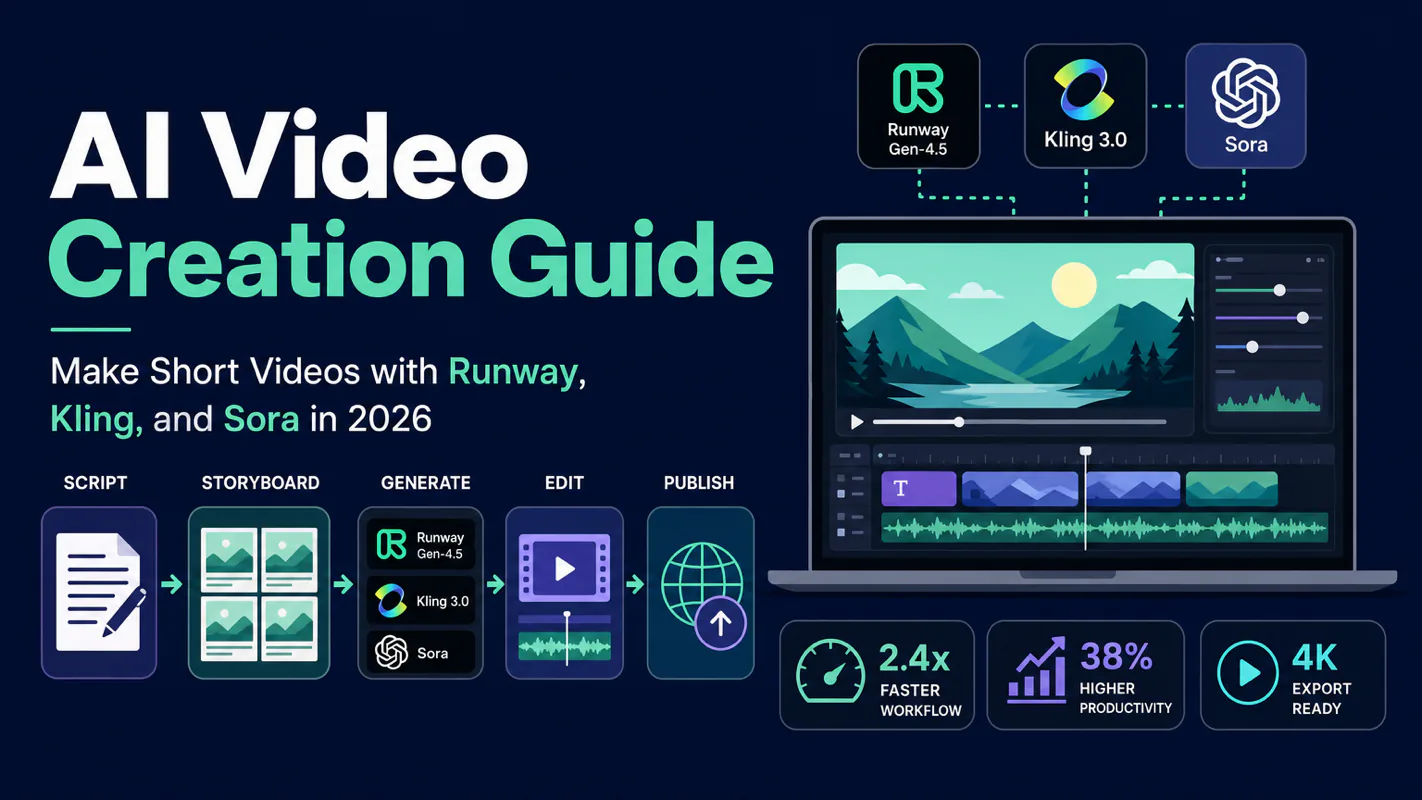
When the crew stops arriving, so does the judgement that used to arrive with it. Nobody budgets for that, because the line item never changed. The three layers here are where craft gets written into the brief instead, the moment every field hits once it starts to automate business processes.
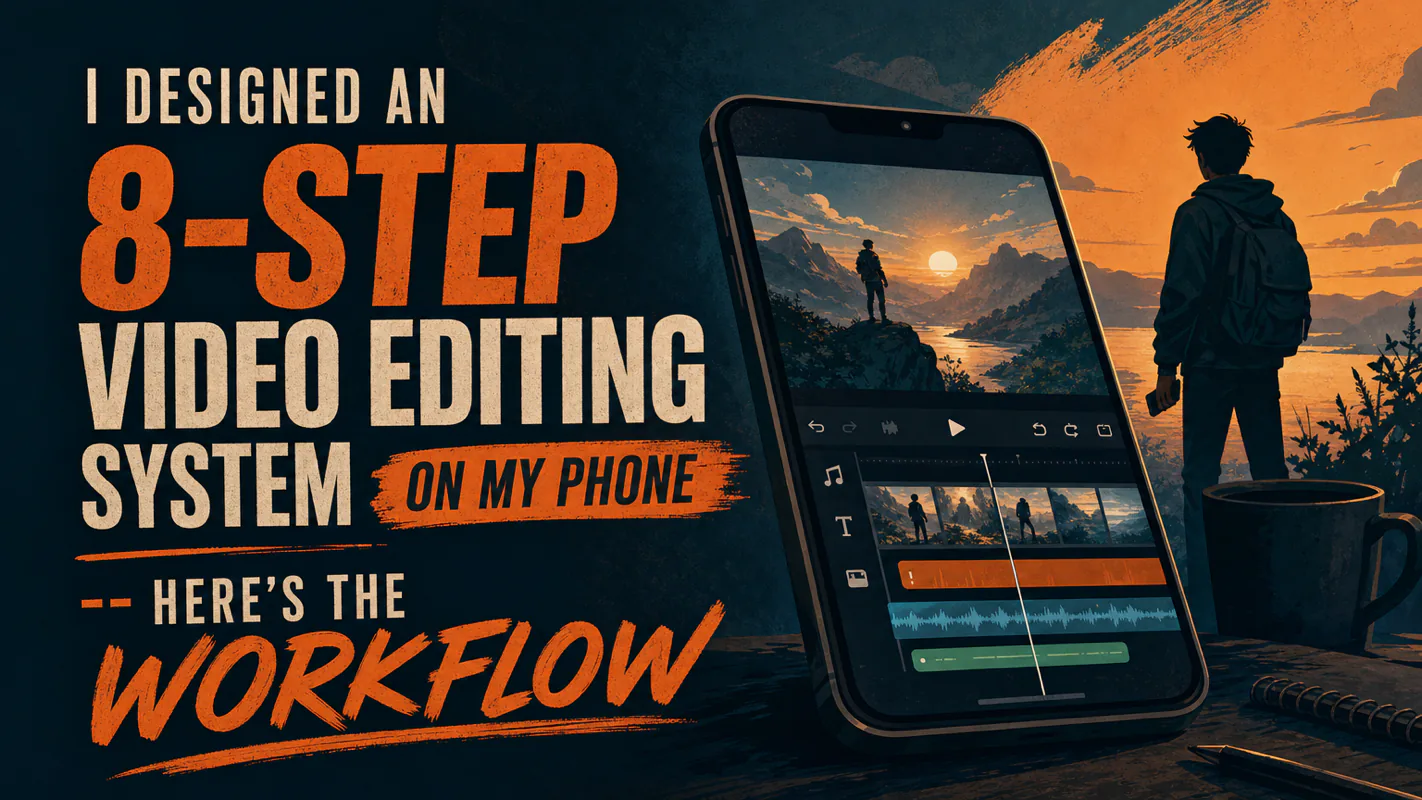
A fix you cannot start until you are back at a desk competes with everything else waiting there, and usually loses. Specifying a production system out loud, from a phone, removes that queue. It also quietly changes who inside a company can automate business processes at all.
When I figure out how to get something real done with AI, you get the write-up — every step, including the parts that didn't work.