Monitoring a competitor who publishes no feed is the case every RSS guide skips. Twenty-one platforms sorted by which of three jobs they do, and the finished setup is business process automation you own outright, with no seat licence to renew.
Blaming the content is the reflex when a post underperforms, and it is usually the wrong diagnosis. A second reader decides distribution before any human sees the post, and most of what it checks is mechanical enough to automate business processes around, on five platforms at once.
Gloves on, tape measure in hand — nobody types a query. Three voice surfaces for ai automation tools (terminal, Telegram, Discord), 10 TTS and 6 STT providers compared on cost and latency, plus a setup that costs nothing.
YouTube Title Hooks: 7 Emotional Triggers That Actually Drive Clicks
A title is not a summary, it is a one-line pitch competing for a split-second decision. Seven emotional hook types with steal-ready templates, a content-matching matrix, power word rules, length limits, and A/B results from real uploads.
Same video. Two titles. "Tutorial Walkthrough" pulled 50 views. "This Saved Me $2,000" pulled 50,000.
The difference wasn't the content. It was the emotional hook.
Your YouTube title isn't a summary. It's a one-line sales pitch competing against hundreds of other pitches for a split-second decision. Emotional hooks are the mechanism that tips that decision in your favor.
I spent the last year testing title structures across my own channel and analyzing data from VidIQ, Humble&Brag, and SEOWerkz. This guide distills what works into a repeatable system: 7 YouTube title hooks, a content-matching matrix, power word rules, and real A/B test results from my uploads.
Key takeaways
Titles with emotional trigger words boost CTR by up to 13.9% (SEOWerkz 2026)
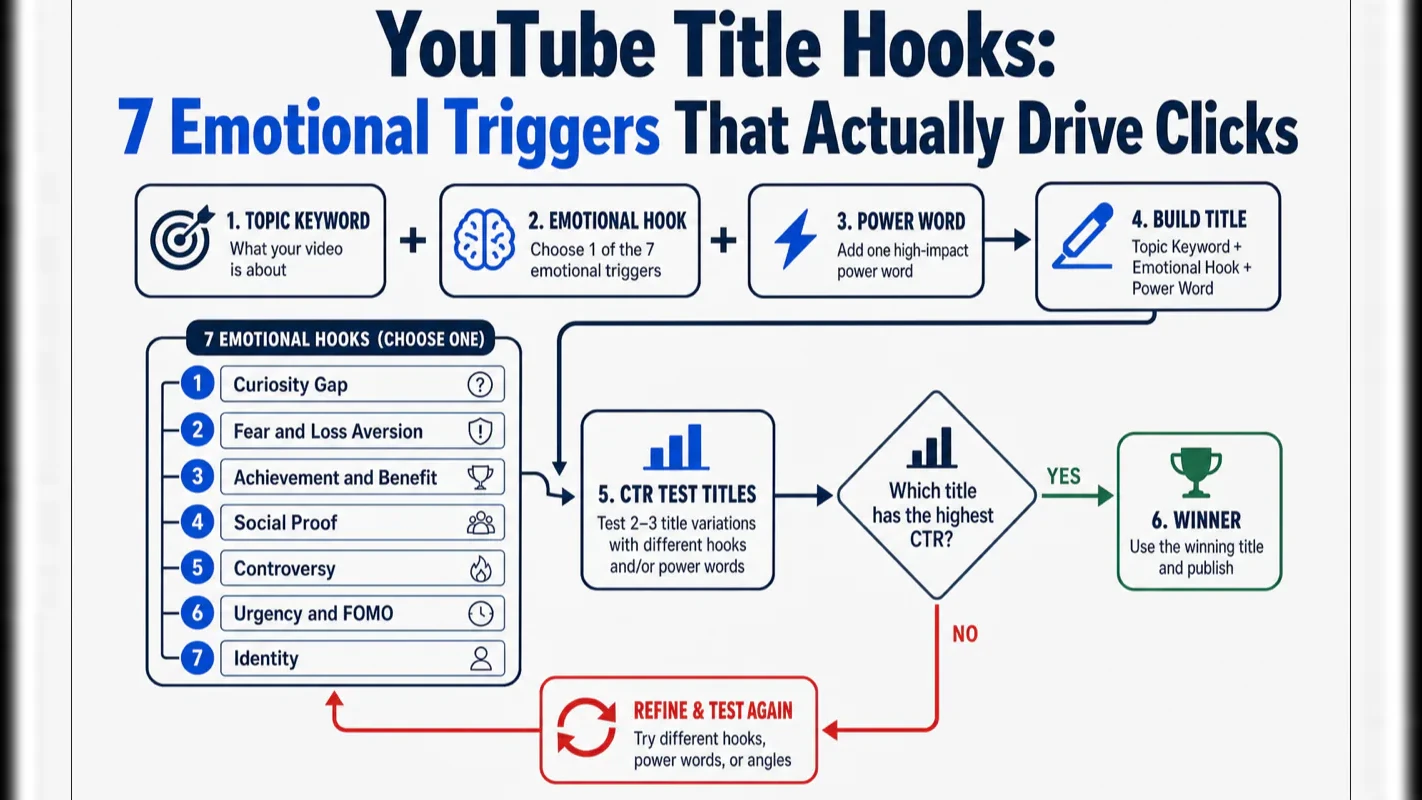
Every high-CTR title contains three building blocks: topic keyword, hook, and power words
7 emotional hook types cover every content scenario — each with steal-ready templates
I was wrong about power words — restraint beats volume every time
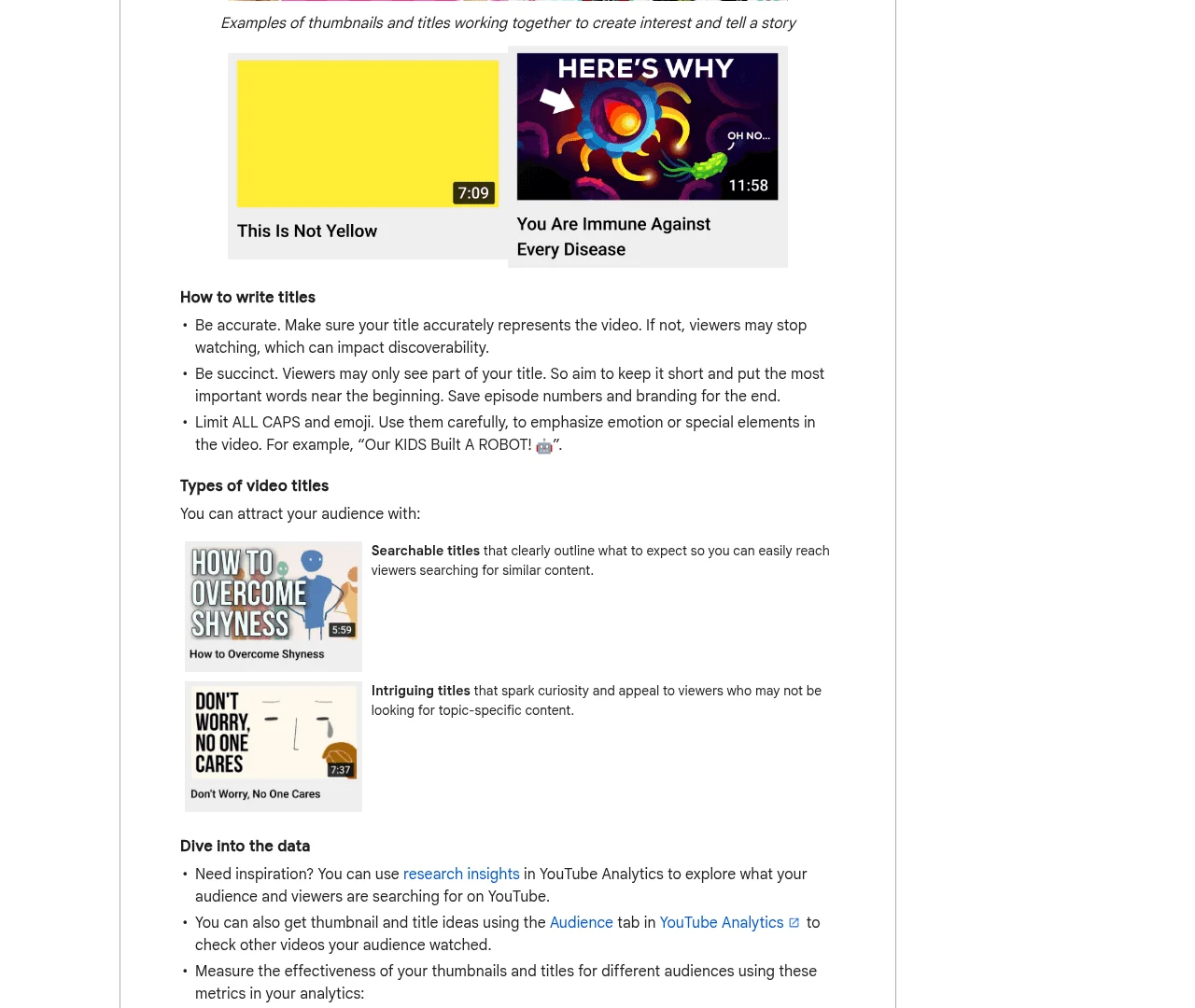
Title and thumbnail must work as a complementary pair, never repeat each other — see our YouTube thumbnail design principles for the visual side of this equation
On a delivery app the dish name is the only line every scroller reads. The description sits one tap away and most people never take it, so the name carries the whole decision, which is why restaurant groups rewrite those names far more often than they rewrite the recipes. Video titles occupy exactly that position and get treated as an afterthought, written last, by whoever is closest to the upload button. What separates a good one from a bad one is not taste, it is a set of rules that can be written down and handed to somebody else. That makes headline drafting an unusually clean first job for an ai assistant for business content.
What Makes a YouTube Title Actually Get Clicked?
YouTube's algorithm shifted from raw watch time to viewer satisfaction in 2025. That change matters for titles because the algorithm now rewards videos that attract the right audience — people who click AND finish watching. A high CTR with low retention actively hurts your reach. A high CTR with strong retention compounds it.
Your title needs to accomplish two things at once: get discovered (SEO) and get clicked (CTR). Keywords handle discovery. Emotional hooks handle the click.
Here is what recent data shows:
Metric
Data
Source
CTR boost from emotional trigger words
Up to 13.9%
SEOWerkz 2026
CTR boost from power words in titles
8.3%
VidIQ 2026
Number-based titles vs. vague titles
36% higher CTR
Industry analysis
Optimal title length
40-60 characters
Backlinko million-result study
Positive emotion titles CTR lift
~4%
Industry benchmark
Viewers make click decisions with emotion first, then rationalize with logic afterward. Your title's job is to trigger that emotional response before the thumb scrolls past.
What Are the 3 Building Blocks of Every High-CTR Title?
Every title that outperforms its niche average contains three components working together. Remove one and performance drops measurably.
1. Topic Keyword — tells both the YouTube algorithm and the viewer what the video covers. Place it within the first 5 words.
2. Hook — gives the viewer a reason they cannot ignore. This is the emotional trigger that stops the scroll.
3. Power Words — amplify emotional impact. Words like "secret," "proven," "deadly," or "ultimate."
The formula: Topic Keyword + Hook + Power Word = High-CTR Title
Here is how it breaks down in real titles:
Title
Topic Keyword
Hook
Power Word
How to Rank #1 on YouTube (Secret SEO Tricks!)
YouTube ranking
Rank #1 promise
Secret
STOP Doing This! YouTube Title Mistakes Killing Your Views
Title mistakes
Warning tone
STOP, Killing
3 Steps to Viral Titles (90% of Creators Miss This)
Title writing
Most creators miss it
Viral, 90%
The Power Word Trap I Fell Into
I was wrong about power words for a long time. My early titles looked like "The ULTIMATE Secret AI Hack You NEED Right Now" — three or four power words fighting for attention in a single headline. CTR hovered around 2.8%.
When I stripped it down to one power word per title, CTR jumped to 5.4%. Humble&Brag's 2026 analysis confirmed what I discovered through trial and error: one or two well-placed power words amplify impact, but three or more make your title look like spam.
My litmus test now: read the title out loud. If it sounds like shouting, cut a power word. "The Secret Formula" works. "The Shocking Secret Hidden Formula You NEED" is a parody of itself.
One capitalization trick worth knowing: capitalize a single word for visual emphasis — "Do THIS Before You Launch" or "The REAL Reason Your Videos Fail." Data from Humble&Brag shows selective capitalization boosts CTR. Capitalize more than one word and you cross into spam territory.
What Are the 7 Types of YouTube Title Hooks?
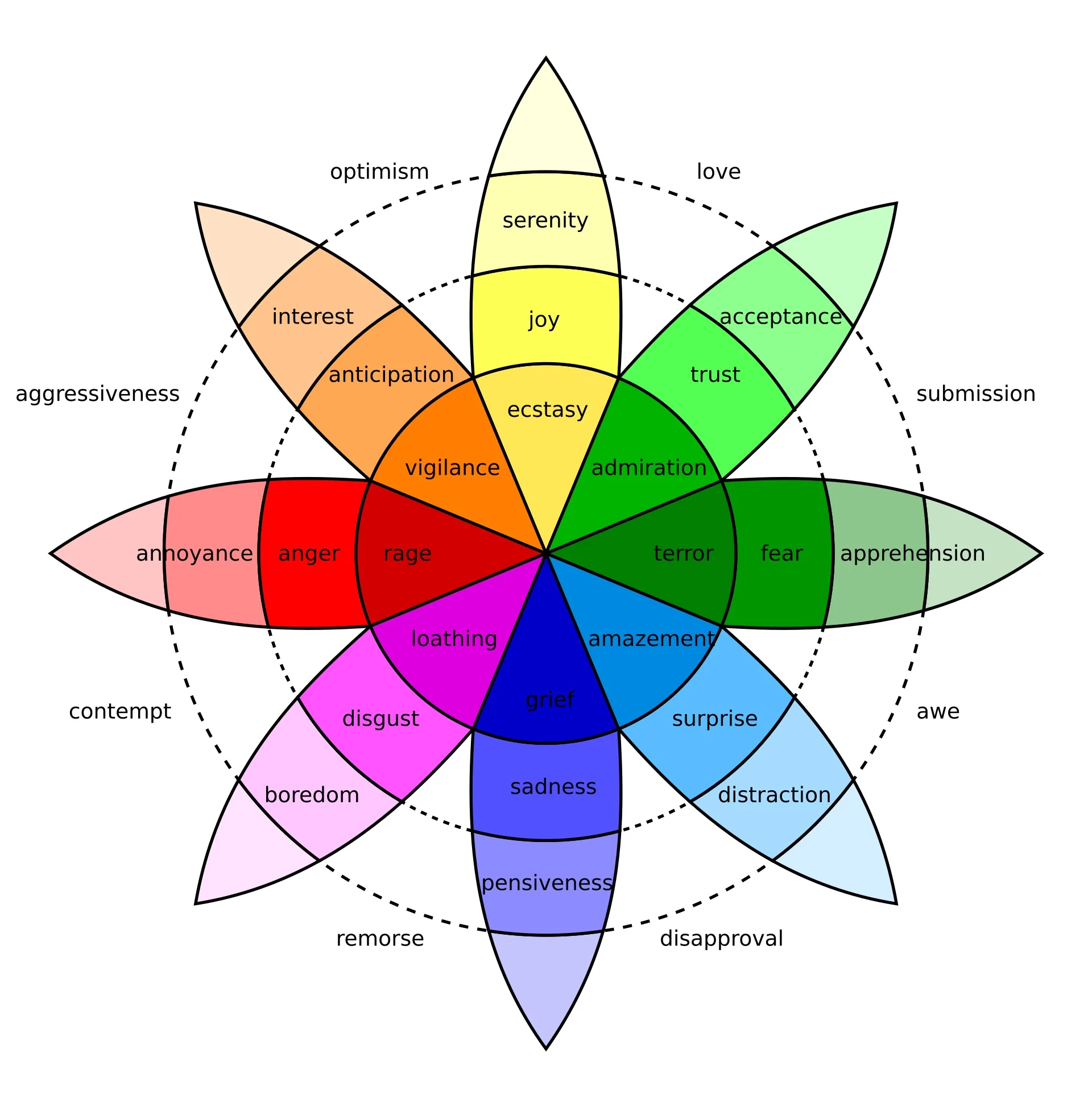
People click because of emotion, then justify the click with logic. These seven YouTube title hooks map to the core psychological triggers that drive click behavior. Each fits different content scenarios, and knowing which to deploy is half the battle.
1. Curiosity Gap Hooks
Create an information gap. The viewer senses they know half the story but needs to click for the other half.
Template
Example
Best For
The truth about X
The Truth About YouTube's Algorithm
Deep analysis
What nobody tells you about X
What Nobody Tells You About Growing on YouTube
Reveals
Why does X happen?
Why Do Your Videos Suddenly Stop Getting Views?
Problem diagnosis
The secret behind X
The Secret Behind Million-Subscriber Channels
Behind-the-scenes
N things you didn't know about X
5 Things You Didn't Know About AI Video Editing
Listicles
The key to curiosity hooks is not withholding information — it is implying the viewer's current understanding might be incomplete. "What Nobody Tells You About YouTube's Algorithm" suggests their knowledge has gaps. That lands harder than a neutral "YouTube Algorithm Explained."
2. Fear and Loss Aversion Hooks
People fear losing what they have more than they desire gaining something new. Loss aversion is one of the strongest drivers in behavioral economics, and it transfers directly to title psychology.
Template
Example
Mechanism
Stop doing X
Stop Making These 5 YouTube Title Mistakes
Loss aversion
X is destroying your Y
This Habit Is Destroying Your Channel Growth
Fear + urgency
Don't do Y before X
Don't Buy This Camera Before Watching This
Authority + warning
N fatal mistakes
3 Fatal SEO Mistakes New YouTubers Make
Fear + curiosity
Use with caution. Fear hooks deliver the highest raw CTR — but if your content falls short of the title's promise, viewers feel manipulated. When you claim "5 fatal mistakes," every single one needs to be genuinely damaging. Padding the list with minor issues breaks trust fast.
3. Achievement and Benefit Hooks
Tell viewers exactly what they stand to gain. The most straightforward hook type, and it works reliably across niches.
Template
Example
Key Element
How to achieve Y in X days
How to Get 1,000 Subscribers in 30 Days
Time + specific number
X steps to Y
3 Steps to Writing Titles That Get Clicked
Simplicity + action
The fastest way to X
The Fastest Way to Optimize YouTube SEO
Speed + efficiency
Ultimate guide to X
The Ultimate Guide to YouTube Analytics
Authority + scope
From X to Y
From Zero to 10K Views: My First 90 Days
Transformation arc
Number psychology that moves the needle: odd numbers outperform even numbers in titles — 7 beats 6. Single digits beat double digits — "3 steps" feels more achievable than "12 steps." And decimal points signal precision — "boosted CTR by 47.3%" reads as more credible than "boosted CTR by 50%." These are small edges, but they compound across your upload catalog.
4. Social Proof Hooks
Leverage the crowd effect. If respected creators or large groups have adopted a practice, your viewer wants to understand why.
Template
Example
Mechanism
The X that top creators use
The Title Formula Top Creators Use
Bandwagon effect
Why X chose Y
Why Pro YouTubers Stopped Posting Daily
Curiosity + social proof
N people already did X
10,000 Creators Already Switched to This Tool
Social validation
5. Controversy and Contrarian Hooks
Challenge conventional wisdom. Viewers click to validate or challenge their own beliefs. This is the highest-risk, highest-reward hook type.
Template
Example
Guideline
X is actually wrong
Everything You Learned About SEO Is Wrong
Must provide evidence
Why I quit X
Why I Quit My 100K-Subscriber Channel
Needs a real story
X doesn't work
Posting Daily Doesn't Work — Frequency Isn't the Key
Must offer an alternative
Safety rule: challenge methods, not values. Saying "SEO best practices are outdated" challenges a method — viewers learn a new perspective. Saying "Making YouTube videos is pointless" challenges a value — viewers get angry and leave. Controversy should spark debate, not damage reports.
6. Urgency and FOMO Hooks
Create time pressure. This hook type works best for trending topics, platform changes, or limited opportunities.
Template
Example
Before it's too late
Fix Your Channel Before YouTube's New Algorithm Hits
X just changed everything
YouTube Just Changed How Titles Work
Last chance to X
Last Chance to Join Before the Price Doubles
7. Identity Hooks
Make viewers see themselves in the title. When someone feels personally called out, they cannot scroll past without checking.
Template
Example
If you're a X, watch this
If You're a New YouTuber, Watch This First
This is for X who Y
This Is for Creators Who Feel Stuck at 1K Subs
What X-type people get wrong
What Perfectionist Creators Get Wrong About Titles
Which Hook Type Fits Your Content?
Not every YouTube title hook works for every video. I built this matching matrix after testing different hook types across tutorial, review, vlog, and news content over 50+ uploads. Use it as a starting point, then let your own CTR data refine the choices.
Content Type
Best Hook
Runner-Up
Avoid
Tutorials and how-to
Achievement
Curiosity
Excessive fear
Reviews and comparisons
Controversy
Curiosity
Empty promises
Vlogs and personal content
Curiosity
Social proof
Achievement
News and trending topics
Urgency / Fear
Curiosity
Controversy (risks misleading)
Stories and experiences
Curiosity
Controversy
Achievement
Monetization and income
Achievement
Social proof
Excessive fear
One pattern I noticed after tracking this for months: negative-tone titles (fear, controversy, warnings) drive strong short-term CTR, but channels with homepage full of negative titles struggle with subscriber conversion. New visitors see a wall of "Stop doing this!" and "You're doing it wrong!" and it reads as relentless criticism rather than helpful expertise. My rule of thumb: keep negative titles to roughly 30% of your catalog. The other 70% should lean positive — achievement, curiosity, identity.
What Is the Right YouTube Title Length?
YouTube allows 100 characters, but the optimal range sits between 40 and 60 characters. Three reasons:
Search results and mobile feeds truncate around 40-50 characters
Viewers spend less than one second scanning each title while scrolling
Shorter titles parse faster — and speed is everything in a feed
The front-loading rule: put your most important words first. Even if the title gets truncated, the core message survives the cut.
Quality
Title
Issue
Weak
In This Video I Show You How to Write Better YouTube Titles
Filler opening, keyword buried at position 10
Strong
YouTube Title Formula: 5 Emotional Hooks That Double CTR
Keyword at position 1, number, clear benefit
For Shorts: keep titles under 40 characters. Use declarative statements, not questions. Match the title to your opening line — viewers swipe fast, and any mismatch between title and first frame triggers an instant exit.
Two-part title structure: split with a colon or pipe character. The first half targets search (keyword-rich). The second half targets the click (curiosity or benefit-driven). "YouTube SEO Guide: From Zero to 100K Views" — the first segment gets discovered, the second gets clicked. In my testing, this two-part format delivered the most consistent results across both search traffic and browse CTR.
How Should Your Title and Thumbnail Work Together?
Your title and thumbnail are not two separate elements — they form one click pitch. The strongest combinations use what I call complementary storytelling: each element carries information the other does not.
Mode 1 — Title asks, thumbnail answers. Title: "Why Are Your Videos Invisible?" Thumbnail: person staring at a screen showing zero views, shocked expression. The title sparks the question; the thumbnail adds emotional gravity.
Mode 2 — Title promises, thumbnail proves. Title: "How I Got 10K Views in One Week." Thumbnail: a graph spiking from flat to peak with a bold arrow. The title makes the claim; the thumbnail delivers visual evidence.
Mode 3 — Title teases, thumbnail hints. Title: "I Quit My 100K Channel (Here's Why)." Thumbnail: person walking away into fog. Neither gives the answer. Together they build a suspense loop that demands a click.
Mode 2 works best for tutorials. Mode 3 is strongest for storytelling content. Mode 1 is the safest all-purpose choice when you are unsure.
One common mistake: putting the exact same text on the thumbnail that appears in the title. That wastes half your real estate. The viewer already reads the title — your thumbnail should show what the title cannot say in words.
How Do You A/B Test YouTube Titles?
YouTube supports native A/B testing for thumbnails, but title testing still requires manual iteration. Here is the process that works for me:
Step
Action
Timing
1
Launch with your best title
Day 0
2
Record CTR after 48 hours
Day 2
3
If CTR sits below 5%, swap in a new title
Day 3
4
Observe for another 48 hours
Day 5
5
Keep the higher-CTR version
Day 5+
A Real Test From My Channel
I published an AI coding tutorial with the title "How to Use Claude Code." Descriptive. Accurate. Boring. After 48 hours, CTR landed at 3.2% — well below the 5% threshold.
I rewrote it as "Claude Code Complete Guide: Build Full Apps Solo." Added an achievement hook and a specific benefit. CTR climbed to 5.8%.
A third rewrite — "Claude Code Made Me Replace My Dev Team (Full Tutorial)" — combined a controversy hook with curiosity. CTR reached 8.1%.
Same video. Three titles. A 2.5x difference in click-through rate. That is the real ROI of title optimization — higher than almost any production improvement you could make to the video itself.
The key insight: YouTube allows title changes at any time, and the algorithm re-evaluates the video after each update. An underperforming video can earn a second recommendation cycle with a stronger title. Humble&Brag's data shows title refreshes typically deliver a 1 to 2 percentage point CTR improvement. On a video already earning high impressions, that translates to thousands of additional views from traffic you have already earned.
What About AI Search and YouTube Titles?
This is the angle I believe most creators are sleeping on. Gartner projects that traditional search volume will decline 25% by the end of 2026 as users shift to AI-powered search — Google AI Overviews, ChatGPT, Perplexity.
YouTube is already a primary content source that Google AI Overviews pulls from. Your title strategy needs to account for this shift:
Question-format titles perform better in AI search. "How to write YouTube titles" is more AI-friendly than "YouTube title secrets revealed." AI systems favor titles that match natural question patterns.
Title-description semantic alignment matters more than ever. AI reads both signals together to understand video intent. A disconnect between your title and description confuses AI indexing.
Specific, data-rich titles earn more AI citations. A title like "7 YouTube Title Hooks That Boost CTR by 13.9%" carries structured information that AI Overviews can extract and reference. Vague titles like "YouTube Title Tips and Tricks" get passed over.
My adaptation: I prepare two title angles for every video. One optimized for search (keyword-forward). One built around YouTube title hooks (emotion-forward). I launch with the search version. If CTR falls below target after 48 hours, I swap in the emotional version. This way I capture search intent first, then optimize for clicks if the initial title underperforms.
If you already use AI tools in your workflow — whether for prompt engineering or content automation — apply the same systematic thinking to your titles. Treat title creation as an optimization loop, not a one-shot guess.
5 YouTube Title Mistakes That Quietly Kill Your CTR
Mistake
Consequence
Fix
Empty clickbait with no payoff
Viewers leave within seconds, algorithm penalizes
Make bold promises, then deliver on every one
No keyword in the title
Invisible to YouTube search
Include your primary keyword in the first 5 words
Burying the hook at the end
Mobile truncation hides it
Front-load: keyword and hook in the first 40 characters
All-caps and symbol overload
Reads as spam
Capitalize at most one word per title
Chasing unrelated trends
Wrong audience clicks, retention drops
Only reference trends that connect to your niche
One more subtle mistake worth flagging: the year-tag trap. Adding "2026" to a title helps short-term search rankings for timely content. But it also gives your video a built-in expiration date. Once the calendar flips, viewers skip it even if the content is still relevant. Reserve the year for content where freshness is the core value — algorithm updates, annual roundups, trend reports. Everything else should stay dateless so it can compound views for years.
SEO Copywriting Prompts - Apply the same emotional trigger principles to your written content and meta descriptions
Frequently Asked Questions
How many power words should a YouTube title have?
One or two, maximum. Humble&Brag's 2026 analysis of YouTube title performance found that one or two power words amplify emotional impact effectively. Three or more cause viewers — especially in professional niches — to pattern-match the title to low-quality content they have learned to skip. A quick self-test: read the title aloud. If it sounds like an infomercial, remove a word. Selective capitalization of a single word ("Do THIS Before You Launch") also adds emphasis without crossing the spam line.
Can you change a YouTube title after publishing?
Yes — and doing so is one of the highest-leverage optimizations available to any creator. YouTube permits title edits at any time and re-evaluates the video's performance after each change. The best candidates for title refreshes are videos with high impression counts but below-average CTR. Those videos prove the algorithm considers your content worth showing. The title is the bottleneck. Fix the title and you unlock views from impressions you have already earned.
Should YouTube titles include the current year?
Only when time-sensitivity is the core value proposition. Algorithm update guides, tool roundups, and trend analyses benefit from a year tag because searchers actively filter for freshness. Evergreen tutorials, how-to content, and narrative videos should skip the year entirely. A title like "How to Structure a YouTube Channel Audit" accumulates views indefinitely. Adding "in 2026" caps its useful life at twelve months.
What is the ideal YouTube title length?
Between 40 and 60 characters for the majority of content formats. This window keeps the title fully visible on mobile devices, in search results, and across the YouTube home feed. The first 40 characters carry disproportionate weight because that is the mobile truncation boundary — everything after that may never be seen by the majority of your audience. For YouTube Shorts specifically, tighten the target to under 40 characters and use direct declarative statements rather than questions.
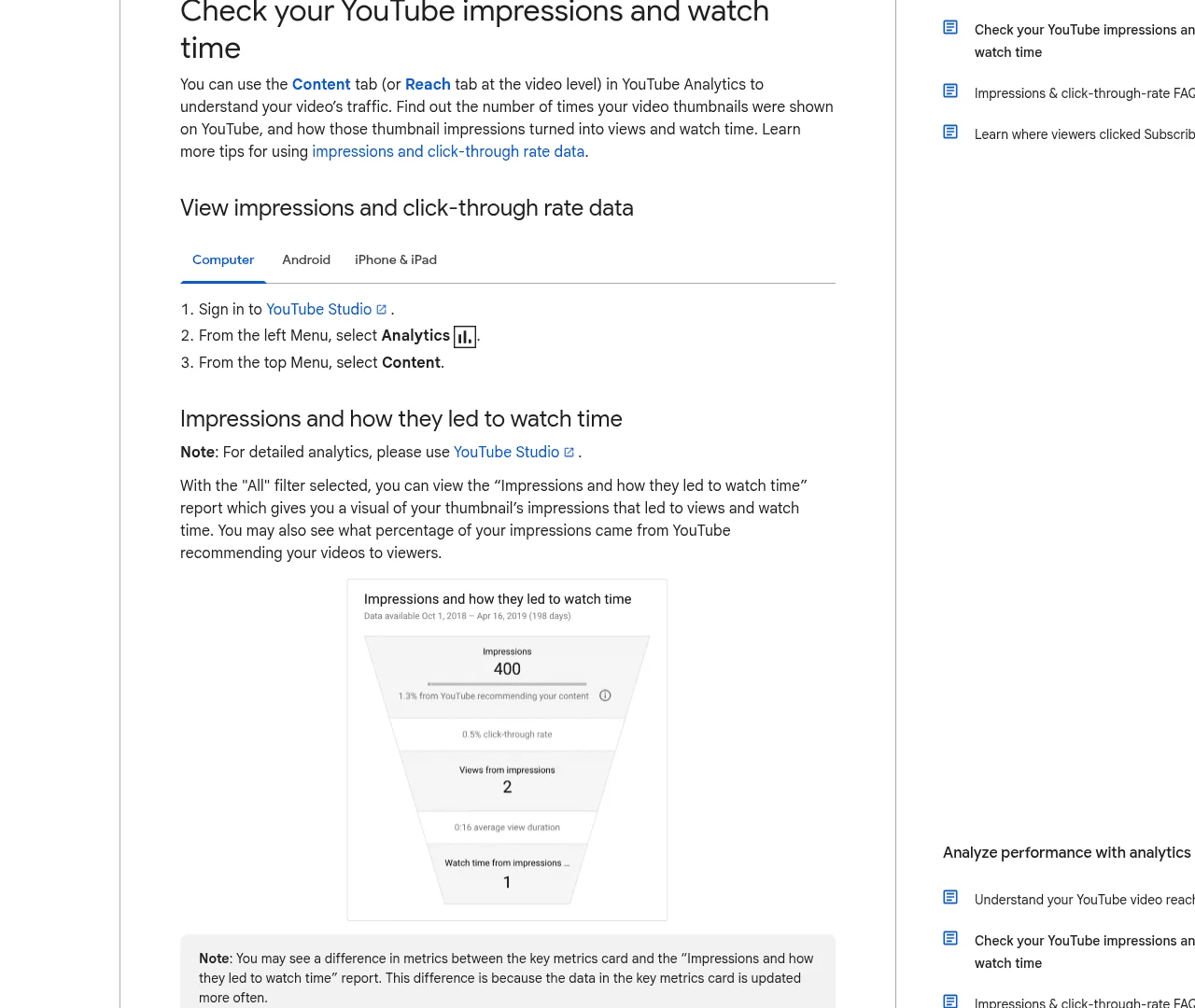
Open YouTube Studio right now and pull up your five most recent uploads. Check each video's CTR in the reach tab. For any sitting below 5%, rewrite the title using one of the seven hook types from this guide. Give the new title 48 hours, then compare the numbers.
One stronger title on an existing video can unlock thousands of views from impressions you are already earning. That is not theory — it is the highest-ROI change you can make on your channel today. And with these seven YouTube title hooks in your toolkit, you never have to stare at a blank title field again.
Monitoring a competitor who publishes no feed is the case every RSS guide skips. Twenty-one platforms sorted by which of three jobs they do, and the finished setup is business process automation you own outright, with no seat licence to renew.
Blaming the content is the reflex when a post underperforms, and it is usually the wrong diagnosis. A second reader decides distribution before any human sees the post, and most of what it checks is mechanical enough to automate business processes around, on five platforms at once.
Nothing about month four is harder than month three. It is simply the month an unpaid channel starts to feel like proof of failure. Surviving it takes a cadence you can hold while earning nothing, which is a better reason to automate business processes than speed ever was.
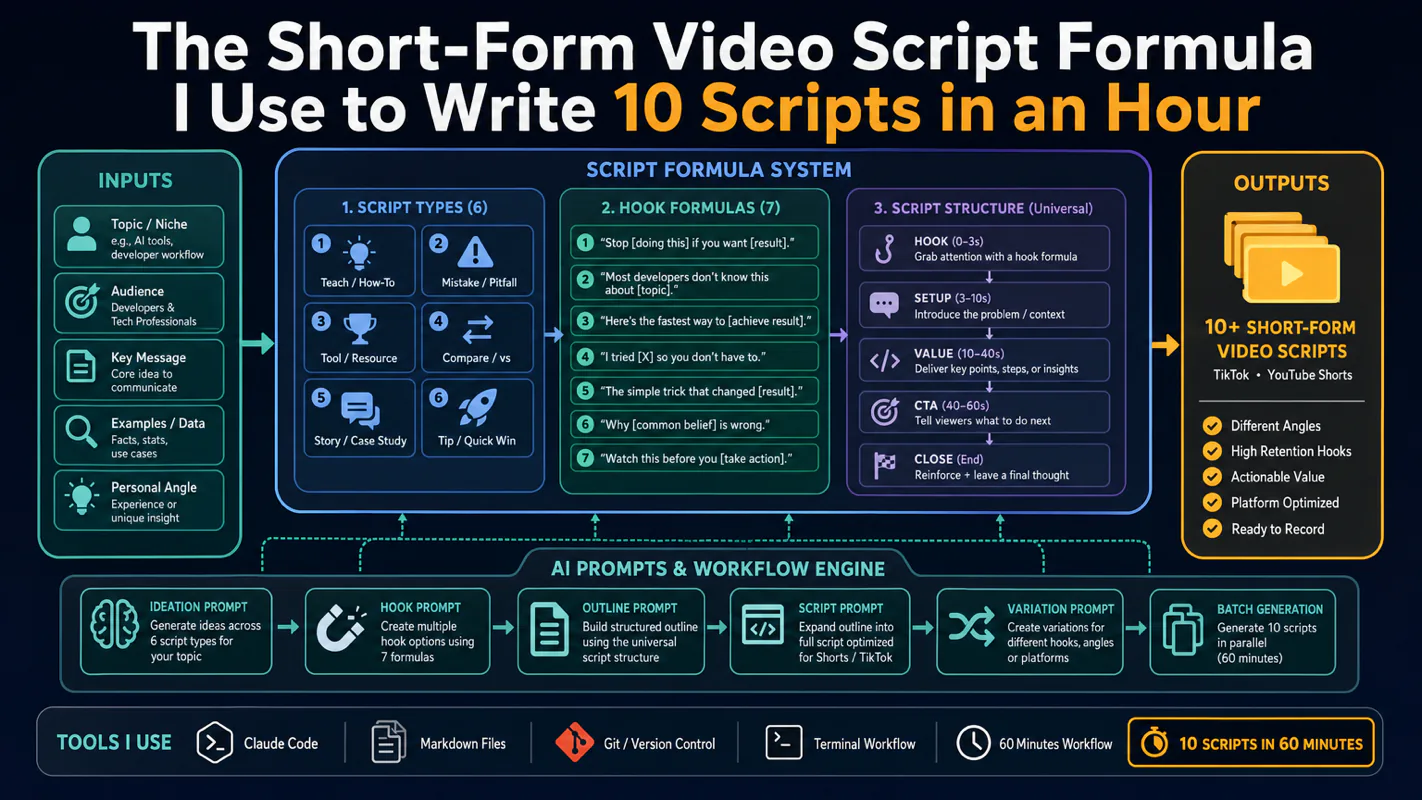
Thursday afternoon, fourteen product ideas, a Monday filming slot, no scripts. Six script shapes and seven hook formulas turn that hour into finished drafts — and the business rule stays: rewrite at least 30% before anything ships.