A 30-minute video is too long for one conversation. This guide walks the 8-step Skill that locks the narration and one look, then gives each 3-minute segment to a fresh sub-agent, five at a time, and polishes the cut in an empty-context session.
The folder structure behind my AI agent team, the Herdr setup where Grok Build, Claude Code and Kimi Code work side by side, and the two live tasks from the video: an article published by voice and a three-model front-end test.
Eight folders of plain Markdown, a CLAUDE.md index in each, and seven prompts that make your agent interview you. Every prompt, template and command from the video, in order.
MIT''s 5 AI Trends for 2026: The Ones That Actually Matter
Most people track which model is strongest. MIT picked five trends for 2026 and not one is about model strength: Chinese open source, a regulatory patchwork, $263B in agentic commerce, original science, and a November trial. That is where AI for business gets decided now.
Most buying conversations still open with which model is best. The five trends MIT picked for 2026 do not mention model strength once. They are about who owns the engine underneath the product you licensed, which state's rules apply to your data this quarter, and the $263 billion that moved through carts a shopper never clicked. That is a different question entirely — not what can it do, but what does it sit on and who is liable when it is wrong. Read this way, AI for business stops being a procurement checkbox and becomes a set of dependencies worth knowing by name.
TL;DR
MIT Technology Review's 2026 "What's Next for AI" picks five trends. Not one is about which model is strongest.
Supply chain is being rewritten by Chinese open-source models. US regulation is a patchwork mess. Agentic commerce drove $263B in holiday sales. Evolutionary algorithms are doing original science. A November 2026 OpenAI trial will define product liability
The unifying pattern: AI has moved from a technical problem to a systems problem
Plus: what each trend means if you're running a one-person business
I read MIT Technology Review's What's Next for AI in 2026 the week it came out in January 2026, and I've been sitting with it for three months. It's their best-known predictions series, and — unlike most lists — their track record on "what's going to matter this year" is unusually high.
What struck me reading it: not one of the five items is about model performance. Not "GPT-6 will ship," not "Claude will beat Gemini at benchmark X." The five trends they picked are all about what happens around the models — supply chain, courts, shopping carts, scientific discovery, and regulatory arbitrage.
That's the signal I want to unpack. 2026's AI battle isn't being fought on parameter counts. It's being fought in the places where AI meets the real world, and as a solopreneur who runs everything through AI tools, I've been paying attention to how each one actually lands in day-to-day work.
Here's my read on each one, what the unifying logic is, and what I'm doing about it as a one-person content business. For the complementary macro picture — AI cost curves, model pricing, adoption numbers — pair this with the 2025 Stanford AI Index, decoded into eight numbers that matter. Stanford gives you the state; MIT gives you the direction.
The Five MIT AI 2026 Trends at a Glance
Trend
Headline Fact
What's Being Rewritten
Chinese open-source models
Silicon Valley is quietly swapping engines
Tech supply chain
US regulation
Federal vs. state chaos
Compliance cost structure
Agentic commerce
$263B holiday 2025
Consumer shopping entry point
LLM + evolutionary algorithms
AlphaEvolve making original discoveries
AI's capability ceiling
OpenAI liability trial
Courtroom in November 2026
Product liability definition
Supply Chain: Silicon Valley Products, Chinese Engines
This is the trend with the loudest signal, and the one most people are misreading.
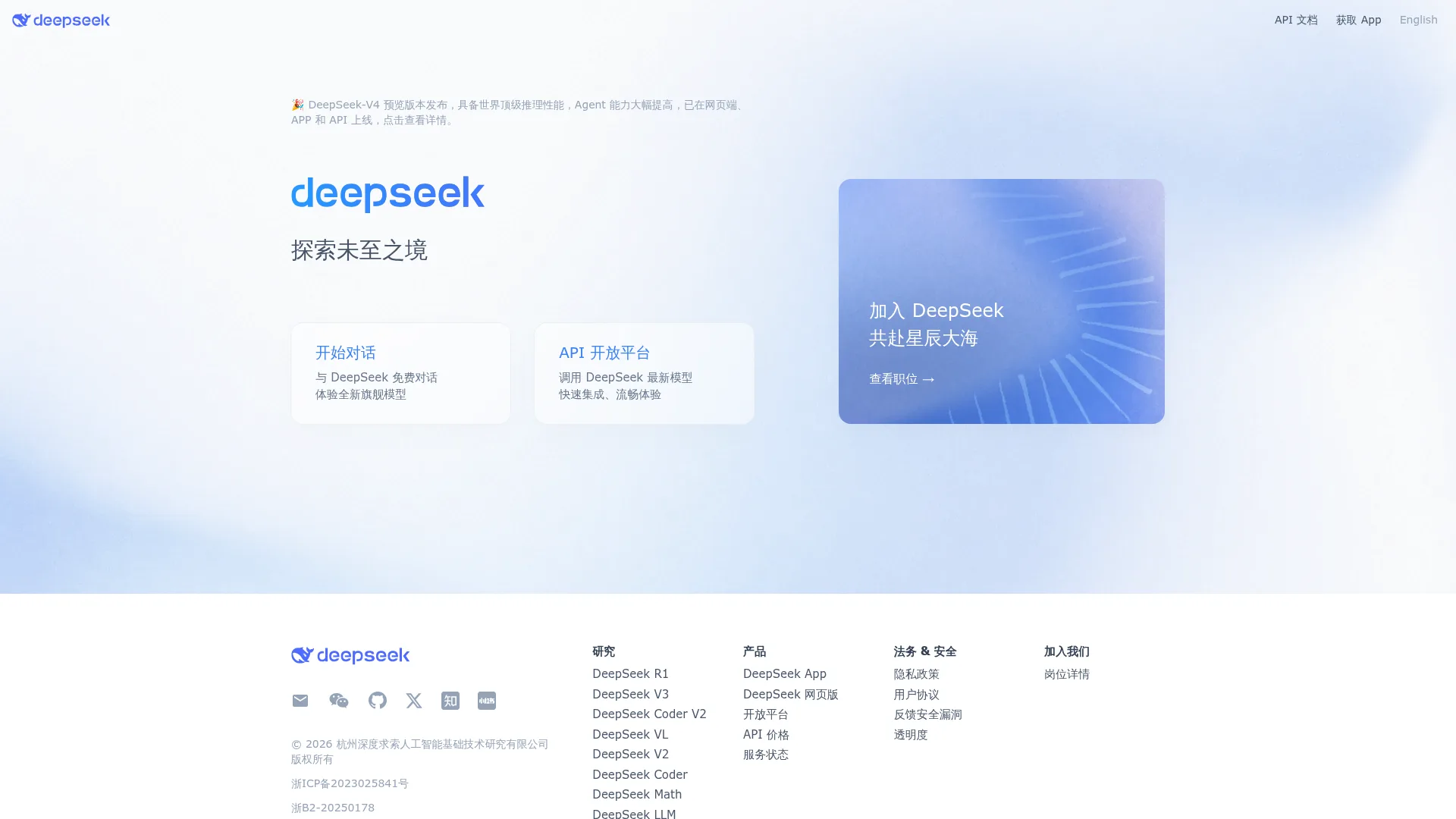
In January 2025, DeepSeek released its open-source reasoning model R1 and triggered what the industry now calls "a DeepSeek moment" — shorthand for yet another game rewritten by a Chinese open-source model. The common interpretation was "Chinese models are catching up." That's the surface reading.
The deeper read: the supply chain for AI products is being rebuilt.
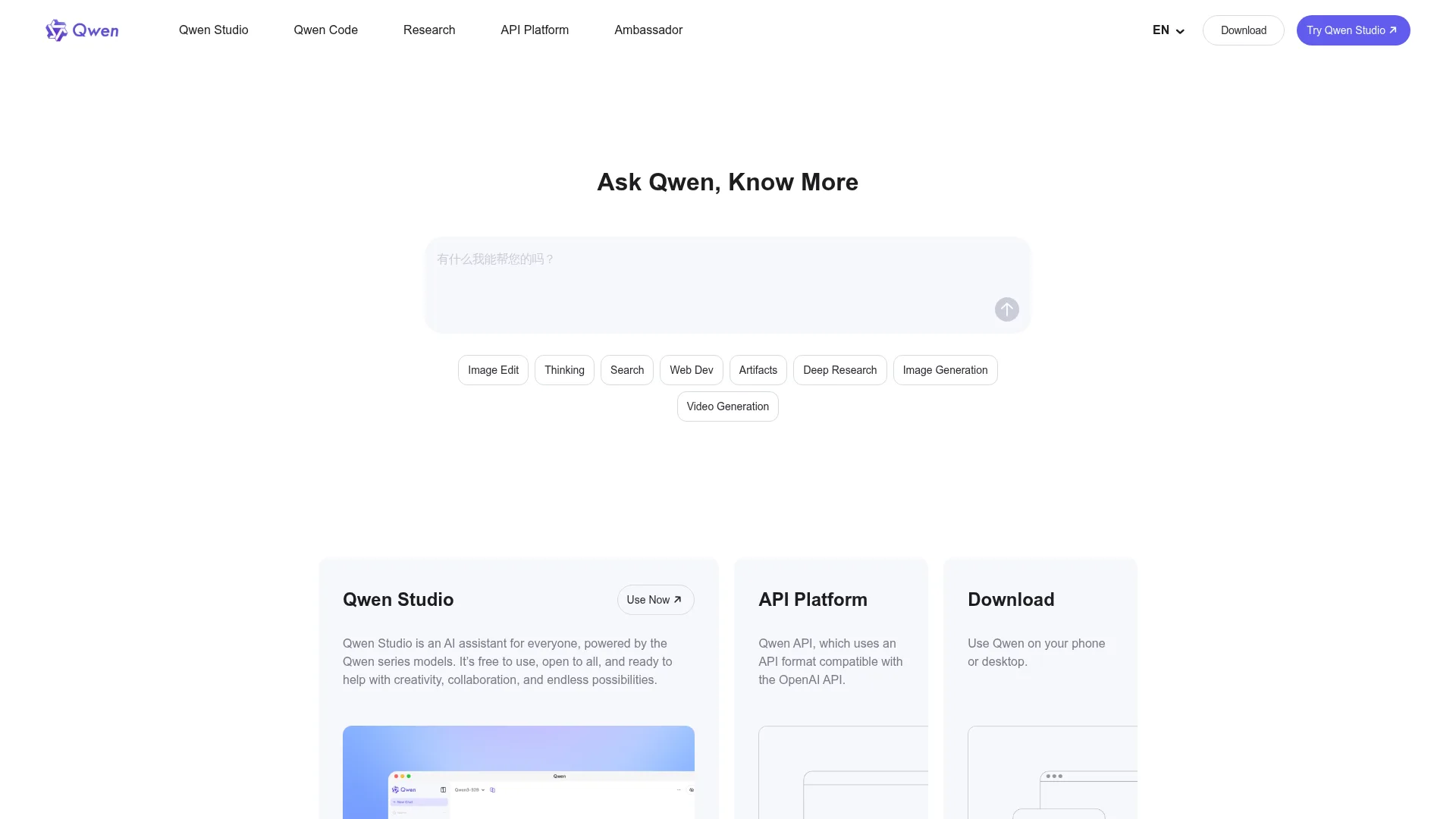
Until 2025, building on top of an LLM gave you roughly two options: pay OpenAI for closed API access (at prices they control), or use Meta's Llama with a specific set of limits. In 2026, Chinese labs have collectively embraced open source at scale, and several new keys are on the table:
DeepSeek R1 — strong reasoning performance
Qwen / Tongyi Qianwen — one of the most popular open-source model families in developer communities
GLM (Zhipu AI)
Kimi (Moonshot AI) — very long-context workloads
Why Geopolitics Won't Stop This
Open source hits three developer instincts at the same time: it's good enough, it's customizable, and it's cheap enough. Once those three are satisfied simultaneously, developers stop caring who made the model.
My take: in 2026, an increasing number of Silicon Valley apps will quietly run on Chinese open-source models under the hood. Not a political statement — just arithmetic. The AI supply chain is decentralizing, and no one controls the bottom layer forever. For solopreneurs, this is good news: more options, stronger pricing power, and a real path away from API cost lock-in.
The practical asymmetry most people miss: the premium tier (Claude, GPT) keeps premium pricing because coding agents and complex agentic work still need it. But the 70% of workload that's batch text, summarization, classification, or light-touch generation can increasingly run on open-source models at 5-15% of the cost. For a solopreneur, this means a two-tier stack becomes the rational architecture — reach for Claude Code when judgment matters (I tracked exactly where that line is in my 6-month review); fall back to a cheaper open-source model for everything else.
Regulation: Federal and States at War
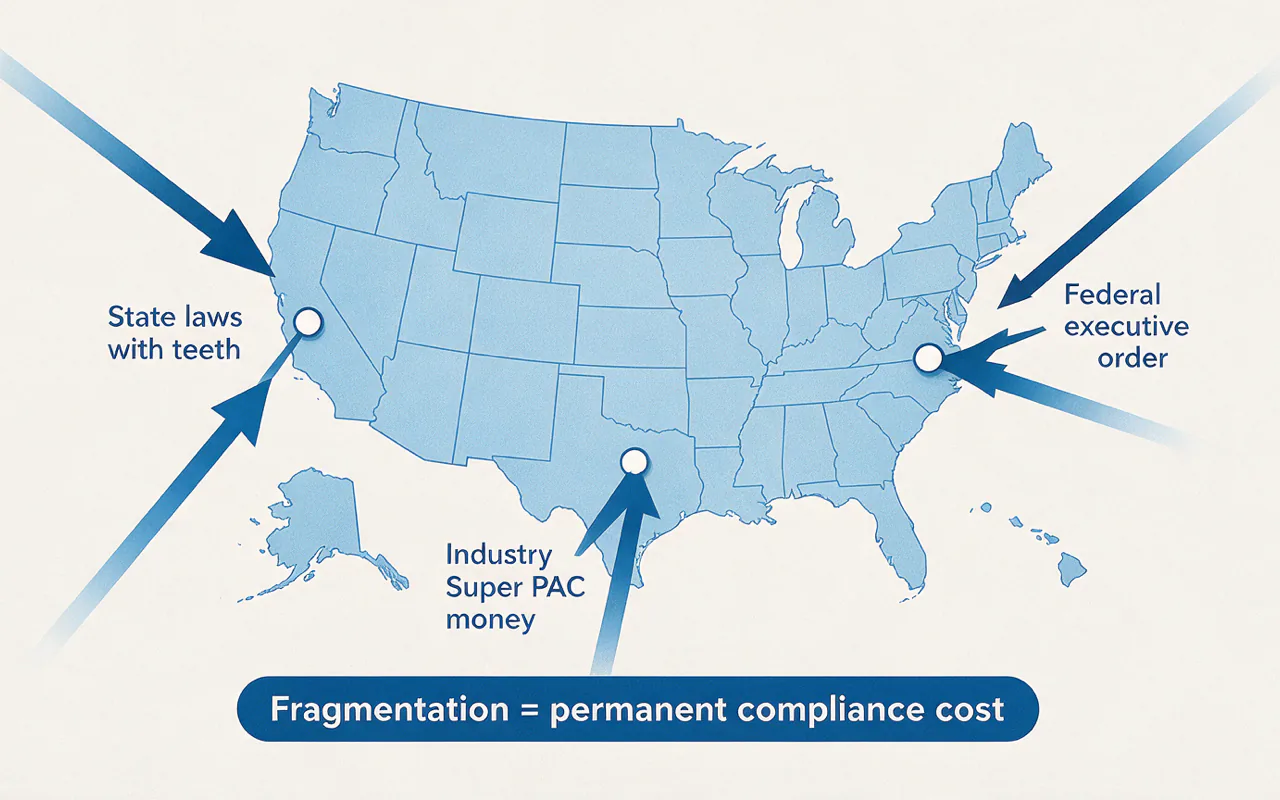
In December 2025, the Trump administration signed an executive order attempting to weaken state AI laws. Meanwhile, California passed the first US AI legislation with real teeth, and other states are drafting their own. OpenAI and Meta are pouring money into Super PACs to influence federal framing.
Three sides, three incompatible goals: federal consolidation, state-level independence, and industry preference for looser rules overall.
The problem isn't "too strict" or "too loose." The problem is uncertainty.
As a solopreneur, you don't know whether California's law will survive federal challenge. You don't know whether Texas will pass something that directly contradicts it. You don't know whether a feature that's compliant today will still be compliant six months from now. Each layer of that uncertainty is a direct cost — legal review, compliance design, and constant product rework.
Historical Analogy
The internet went through the same thing in the late 1990s. Federal vs. state fights over privacy, e-commerce, and data protection took years to settle. The final stabilizer was Section 230 (CDA) and related federal statutes. But AI is a much messier fight — touching employment, safety, discrimination, copyright, even life-and-death cases. My guess: AI regulation won't stabilize until 2028 at earliest. Fragmentation is the default state for the next few years.
What your product is allowed to do in California may not be allowed in Texas. Compliance is a permanent operational cost, not a one-time project.
Agentic Commerce: The First AI Shift Consumers Actually Feel
Salesforce reported that AI drove $263 billion in online spending during the 2025 holiday season. McKinsey projects agentic commerce will reach $3-5 trillion in annual transaction volume by the early 2030s.
What is agentic commerce? In plain terms: you stop browsing. AI browses for you, compares prices, and checks out on your behalf.
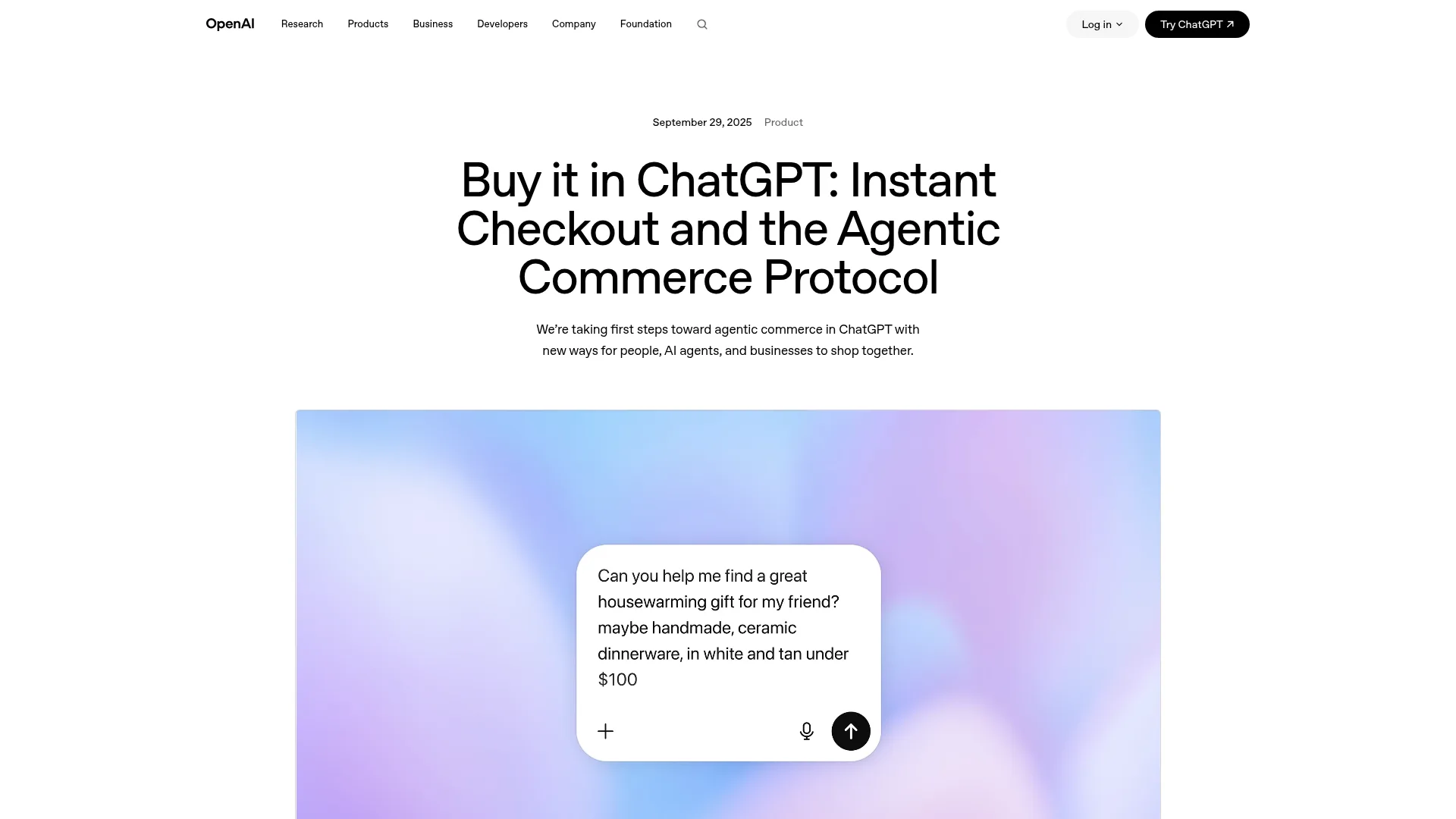
Google's Gemini now integrates with Shopping Graph and recommends products mid-conversation. ChatGPT has shopping features live, with deals on Walmart, Target, and Etsy. When 300M monthly users start purchasing through a chat window, e-commerce traffic flow permanently changes.
The Shopping Entry Point Has Moved Twice
Era
Entry Point
User Behavior
Web 1.0
Search engines
Type keywords → click links → compare → buy
Mobile
E-commerce apps
Scroll recommendations → add to cart → buy
AI era
Conversation interfaces
Describe need → AI recommends → one-click buy
The point isn't that AI saves consumers time. The point is where the purchase decision actually happens has moved. Whoever owns the conversation interface owns the last mile of the buying decision. That's why Google and OpenAI are fighting so hard here — the distribution layer is up for grabs for the first time in fifteen years.
The Underrated Bomb: LLMs + Evolutionary Algorithms
This is the one I think most readers will skim and shouldn't.
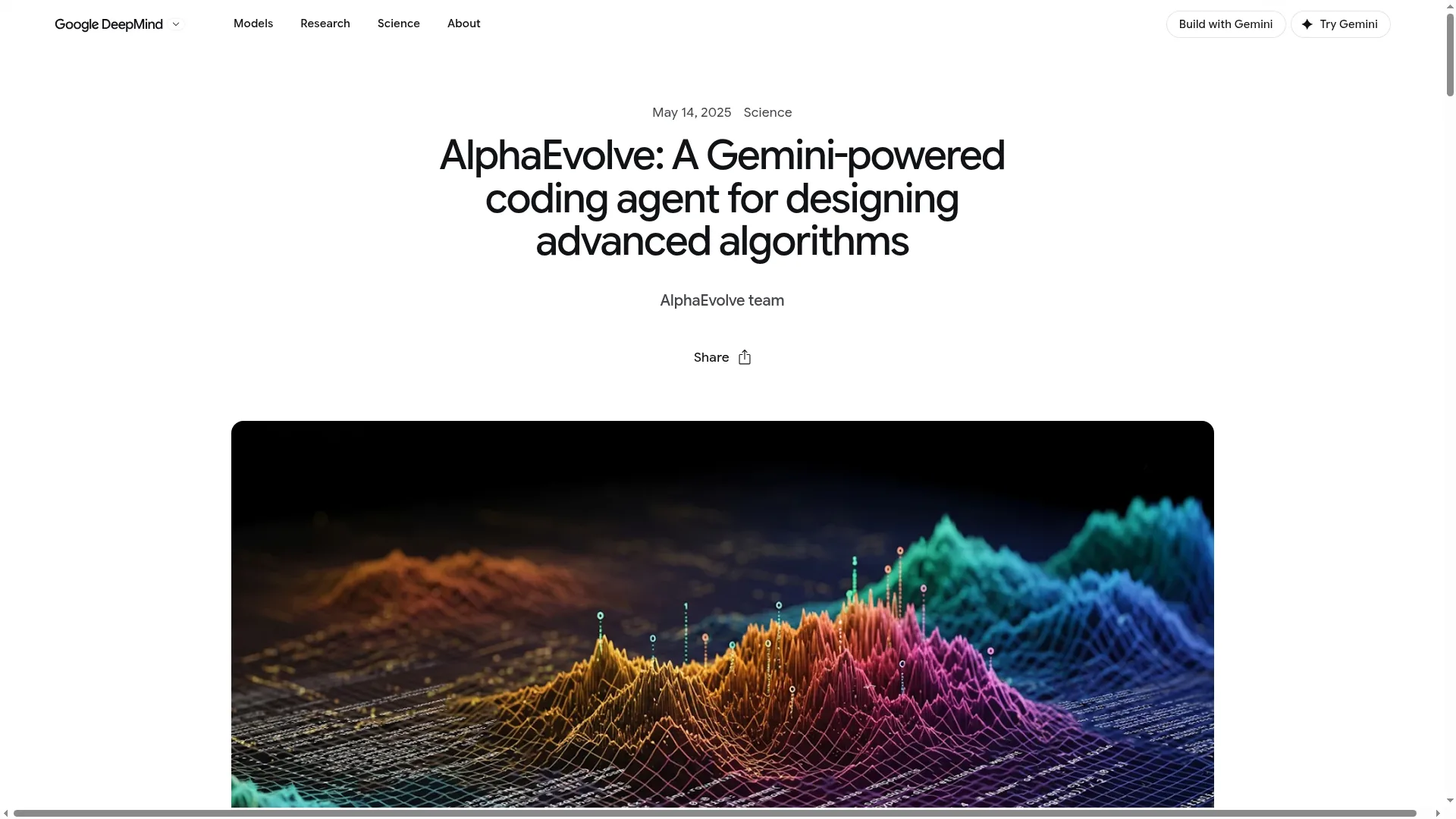
In May 2025, Google DeepMind released AlphaEvolve, which did something LLMs alone had never done: it generated new algorithms that solve previously unsolved math problems. Note the words: new and unsolved. Not retrieval from existing answers. Not recombination of known methods. Actual creation.
Why this matters: if AI can move from "answering questions" to "discovering new knowledge," its civilizational value jumps from efficiency tool to knowledge creator. That's a qualitative change, not a quantitative one.
The Method Is Elegant
LLM generates a large batch of candidate solutions
Automated evaluation rejects most of them
Small mutations applied to the best survivors
Repeat, with each round producing better candidates than the last
LLMs are good at "sampling a huge possibility space fast." Evolutionary algorithms are good at "finding the optimum under selection pressure." Combined, it's a brain with limitless imagination paired with a very strict critic.
Within months of AlphaEvolve's release, independent follow-up projects appeared — most notably OpenEvolve, an open-source reimplementation. In AI research, that kind of community replication is the strongest signal you get that a direction is real.
Path
Method
Ceiling
Make models bigger
More parameters, more data
Limited by combinations of existing knowledge
LLM + evolutionary
Generate → filter → evolve → regenerate
Can exceed existing knowledge boundaries
This turns LLMs from "question-answering tools" into "knowledge-discovery engines." If this direction matures, the economic implications compound in ways we haven't modeled yet. For investors and technical founders, this is the area I'd watch hardest in 2026.
The Courtroom: A Trial That Will Define AI Liability
Three legal questions are closing in:
When an AI chatbot encourages a user to do something, is the company liable?
When AI spreads false information about a real person, can that person sue for defamation?
When a teen dies by suicide, can their family sue the AI company that made the chatbot they were talking to?
The third question isn't hypothetical. A family is bringing suit against OpenAI in November 2026. Actual court date. Actual parties. This trial will touch four dimensions of product design:
What the product is allowed to say (and when)
Safety guardrails for sensitive conversations
Corporate liability when AI causes harm
Industry standards — potentially compulsory compliance requirements
Even before a verdict, every AI company is already changing product design — proactive safety triggers on sensitive topics, mandatory extra protections for minors, required archiving of high-risk conversations, expanded disclaimers. The chilling effect of an upcoming trial arrives before any ruling does.
Whichever way the verdict goes, every argument and piece of evidence from the trial becomes precedent for the next case. The next ten years of AI product design will be shaped by whatever happens in that courtroom.
The Unifying Logic Across MIT's 2026 AI Predictions
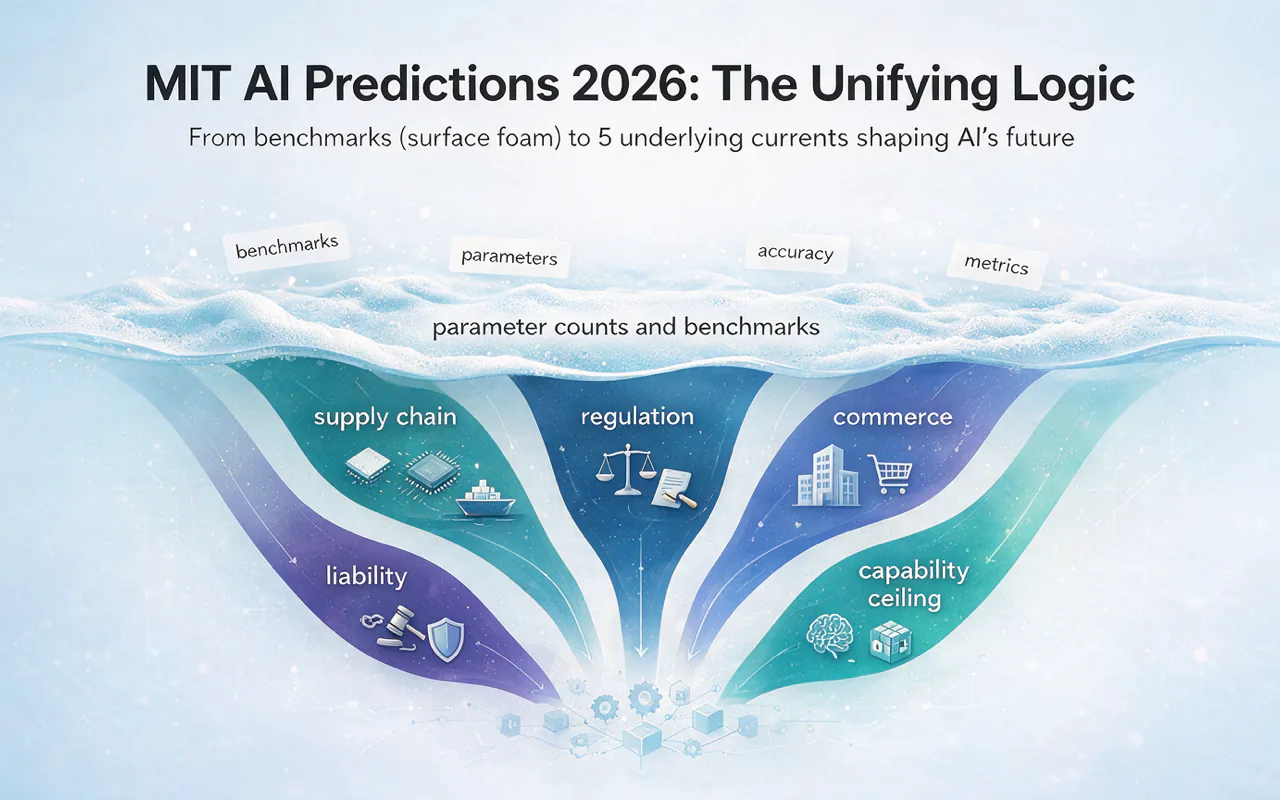
Reading across all five, the pattern is clear. AI has moved from being a technical problem to being a systems problem.
Trend
What it's rewriting
Chinese open source
Tech supply chain
Regulatory chaos
Compliance cost structure
Agentic commerce
Consumer entry points and traffic
Evolutionary algorithms
AI's capability ceiling
Liability trials
Product accountability boundaries
None of the five is about which model scores higher on a benchmark. Parameter counts are surface foam. Supply chain, regulation, commerce, capability limits, and liability — those are the deeper currents.
What to Do If You're a Solopreneur
If you are a…
Watch most closely
Do this week
Developer
Chinese open source + regulation
Test whether DeepSeek / Qwen can replace 50%+ of your current API calls
Solopreneur / creator
Regulation + agentic commerce
Add compliance cost to your business plan; consider AI-commerce positioning
Investor
Evolutionary algorithms + trials
Watch LLM+evolution projects; follow the November OpenAI trial
Everyday user
Agentic commerce + trials
Learn to use AI price comparison; stay aware of privacy boundaries
If you're brand-new to how to actually work with AI models day-to-day — and especially if you're non-technical — the 10 mistakes I made in my first week with Claude Code is the shortcut around the common friction points before any of the above becomes relevant to you.
2026's battleground moved from the lab to the real world — supply chains, courtrooms, and your shopping cart.
Two Predictions I'd Add to MIT's List
MIT's editors are careful — their list sticks to trends with clear 2025 evidence. If I had to extend the list with two "bets I'd make for late 2026 that MIT didn't include," these are the two I keep coming back to:
Bet 1 — The cost-to-serve floor for "good enough" AI collapses under $0.05 per million tokens. Stanford HAI's 2025 index already documented a 280x cost collapse in inference prices between 2022 and 2024. The combination of open-source Chinese models hitting parity on standard benchmarks plus new architectural efficiencies (mixture-of-experts, speculative decoding, model distillation at scale) means the marginal cost of a non-critical LLM call drops toward zero by Q4 2026. What stays expensive: judgment, long-context reasoning, and agentic workflows where correctness compounds. That split is the real 2026 story — commodity at the bottom, premium at the top, very little in the middle.
Bet 2 — Default privacy boundaries harden across every consumer AI product. The November OpenAI trial isn't a one-off. Three or four similar cases are queued behind it. Every major consumer AI product (ChatGPT, Gemini, Copilot, Claude consumer app) will ship more restrictive defaults in Q2-Q3 2026 without announcing them as "restrictions." Expect reduced memory persistence by default, clearer refusal on sensitive categories, and mandatory disclosure UI on high-risk content. For solopreneurs building on top of these APIs, the practical risk is that a feature that works today silently breaks in six months because the underlying model's safety posture tightened. Build for that instability; don't assume today's model behavior is a durable product surface.
Neither bet is in MIT's five. Both follow directly from the five once you sit with them.
What This Means for My Work
Personal angle. As someone building a one-person content business on AI tools, here's what changed in my planning after reading the full MIT piece:
I started testing open-source models. I use Claude Code for most of my work, but I'm running experiments with DeepSeek R1 and Qwen3 for batch jobs where cost matters more than marginal quality. The 5-10x cost reduction is real.
I added "regulation bucket" to my cost forecasting. I now assume some non-zero legal/compliance cost per year, even at my small scale. Better to budget for it than be surprised.
I stopped trying to build an AI-native shopping feature. The agentic commerce race will be won by whoever owns the default conversation interface (Google, OpenAI). Competing directly is the wrong move. Better to be distributed through those interfaces than to try to build one.
I'm following AlphaEvolve-style projects. Not because I'll build one, but because the second-order effects on my readers' work (research, writing, scientific journalism) will be massive within 18-24 months.
I'm treating safety UX seriously. The OpenAI trial will set a floor for what "reasonable guardrails" look like. Any AI-adjacent product should be reading those arguments as they come out.
Key Takeaways
None of MIT's 5 picks is about model performance — supply chain, regulation, agentic commerce, evolutionary algorithms, and liability trials are all systems-level shifts, not benchmarks
The AI supply chain is decentralizing — Silicon Valley apps quietly run on Chinese open-source models under the hood. Premium tier stays premium; commodity tier approaches zero
$263B holiday agentic commerce in 2025 — McKinsey projects $3-5T by early 2030s. Consumer buying behavior is moving from app UIs to conversation interfaces
LLM + evolutionary algorithms is the underrated bomb — AlphaEvolve generated new solutions to unsolved math problems. AI moved from "answering questions" to "discovering knowledge"
The November 2026 OpenAI trial will set AI product-liability floors — every AI company is already changing design before a verdict. The chilling effect precedes the ruling
Two bets I'd add to MIT's list — inference cost floor drops below $0.05/million tokens by Q4 2026, and consumer AI privacy defaults tighten across all major products
Ready-to-Use Prompt: Turn AI Trends Into Solopreneur Actions via the Systems Lens
What this does: Reframes AI trends as systems shifts (not "which model wins"), scores each trend's impact on a one-person business, translates every high-impact trend into one concrete action, and names the unifying pattern plus a time-bound watch item. Based on: MIT's 5 AI Trends for 2026: The Ones That Actually Matter — https://aiworkflowpro.com/mit-ai-2026-hidden-trends/ Time to run: ~4 minutes
Copy this prompt into Claude Code, ChatGPT, or any AI assistant:
ROLE: You are an AI Trend-to-Action Translator. Your job: reframe AI trends as systems shifts, score them against a one-person business, and turn every high-impact one into a concrete action — because a trend without an action is just news.

CONTEXT — SYSTEMS-LENS TREND TRANSLATION METHOD:
MIT's 2026 AI trends share one trait: not one is about which model is strongest. AI has moved from a technical problem (benchmarks, model size) to a systems problem (supply chain, regulation, commerce, science method, liability). The five MIT trends are: (1) supply chain — Silicon Valley products on Chinese open-source engines; (2) regulation — federal and states at war, a patchwork; (3) agentic commerce — $263B in holiday sales, the first AI shift consumers feel; (4) the underrated bomb — LLMs plus evolutionary algorithms doing original science; (5) the courtroom — a Nov 2026 OpenAI trial defining AI product liability. The method: reframe each trend through the systems lens (not "who wins"), score its impact on your one-person business, and translate every high-impact trend into one concrete action — because for solopreneurs a trend without an action is just news.

INPUTS (fill in before running):
- TRENDS: [The AI trends you are tracking — or "use MIT's 5"]
- BUSINESS: [What the one-person business does]
- RISK_SURFACE: [Where the business is exposed — model dependency, regulation, commerce, liability]
- HORIZON: [How far out to plan — this quarter / this year]

METHOD — 4 STEPS:

Step 1 — Reframe Each Trend Through the Systems Lens
For each trend in TRENDS, state the systems shift (supply chain, regulation, market, science method, or liability) — not the technical one ("which model wins"). Reject any framing that reduces to a benchmark.

Step 2 — Score Business Impact (0–2)
Score each trend against BUSINESS and RISK_SURFACE: 0 = no bearing, 1 = worth watching, 2 = act this HORIZON. A 2 means a concrete decision or exposure is in play.

Step 3 — Translate Every 2 Into One Solopreneur Action
For each trend scoring 2, write one concrete action (diversify off a single model vendor; add a compliance check; open an agentic-commerce channel; adopt an LLM+evolutionary method; prep a liability/terms update). No action, no point.

Step 4 — Name the Unifying Pattern + a Watch Item
State the unifying systems pattern across the scored trends, and name the single time-bound watch item (e.g. the Nov 2026 OpenAI liability trial) the business should monitor.

RULES:
- Never reduce a trend to "which model is strongest" — reframe it as a systems shift first.
- Never list a trend scoring 2 without a concrete action — for a solopreneur, actionless trends are noise.
- Never treat regulation or liability trends as background — they convert to direct cost if ignored.

OUTPUT FORMAT:
Output a markdown report with:
1. Systems Reframe — each trend's systems shift (not the technical framing)
2. Impact Scorecard — markdown table, columns: Trend | Score (0–2) | Exposure
3. Actions — one concrete action per score-2 trend
4. Unifying Pattern + Watch Item — the systems pattern + the time-bound event to monitor
Save as @templates/mit-ai-2026-hidden-trends.md and run quarterly, or whenever a new AI-trends list drops.
Frequently Asked Questions
Isn't MIT Technology Review a lagging indicator?
Usually yes — but the What's Next for AI series has been unusually predictive in its past four editions. The 2023 edition called multimodal models; the 2024 edition called reasoning models; the 2025 edition called agents. Their methodology (a small editorial team picking five structural shifts rather than trying to cover everything) tends to surface stuff other lists miss.
Is "Chinese open source will win" really happening, or is it mostly vibes?
It's happening at the developer adoption layer. Production deployments are still mostly Western closed-source in the US market due to compliance and brand concerns. But developer sentiment, open-source library integration, and side-by-side evaluations have all been shifting fast. The gap between "developers are testing" and "developers are deploying" closes in 18-24 months historically.
Should I switch my Claude Code to DeepSeek to save money?
Not yet, for most solopreneurs. Claude Code is specifically tuned for coding and agentic workflows, and the switching cost (re-tuning your workflows, rebuilding your CLAUDE.md, losing Anthropic's subscription absorption) outweighs the savings for most one-person operators. Test open-source models for one-off tasks (batch text processing, research summarization) where Claude Code's UX isn't the value-add.
What's the single most important of the five for a non-technical reader?
Agentic commerce. It's the one most likely to directly change how your customers find you in 2026-2027. If your business depends on search or app-store traffic, pay attention to how your audience's discovery behavior shifts. The others are more infrastructural.
How do I follow the OpenAI trial without getting lost in legal detail?
Lawfare, Just Security, and Stanford's CodeX blog all do competent coverage of AI legal cases in plain English. The trial opens in November 2026; expect weekly analysis coverage through early 2027.
Eight folders of plain Markdown, a CLAUDE.md index in each, and seven prompts that make your agent interview you. Every prompt, template and command from the video, in order.
Stop briefing your AI from scratch. One free folder holds your background, your rules and your voice. Eight prompts build it, no code, and any AI can read it.
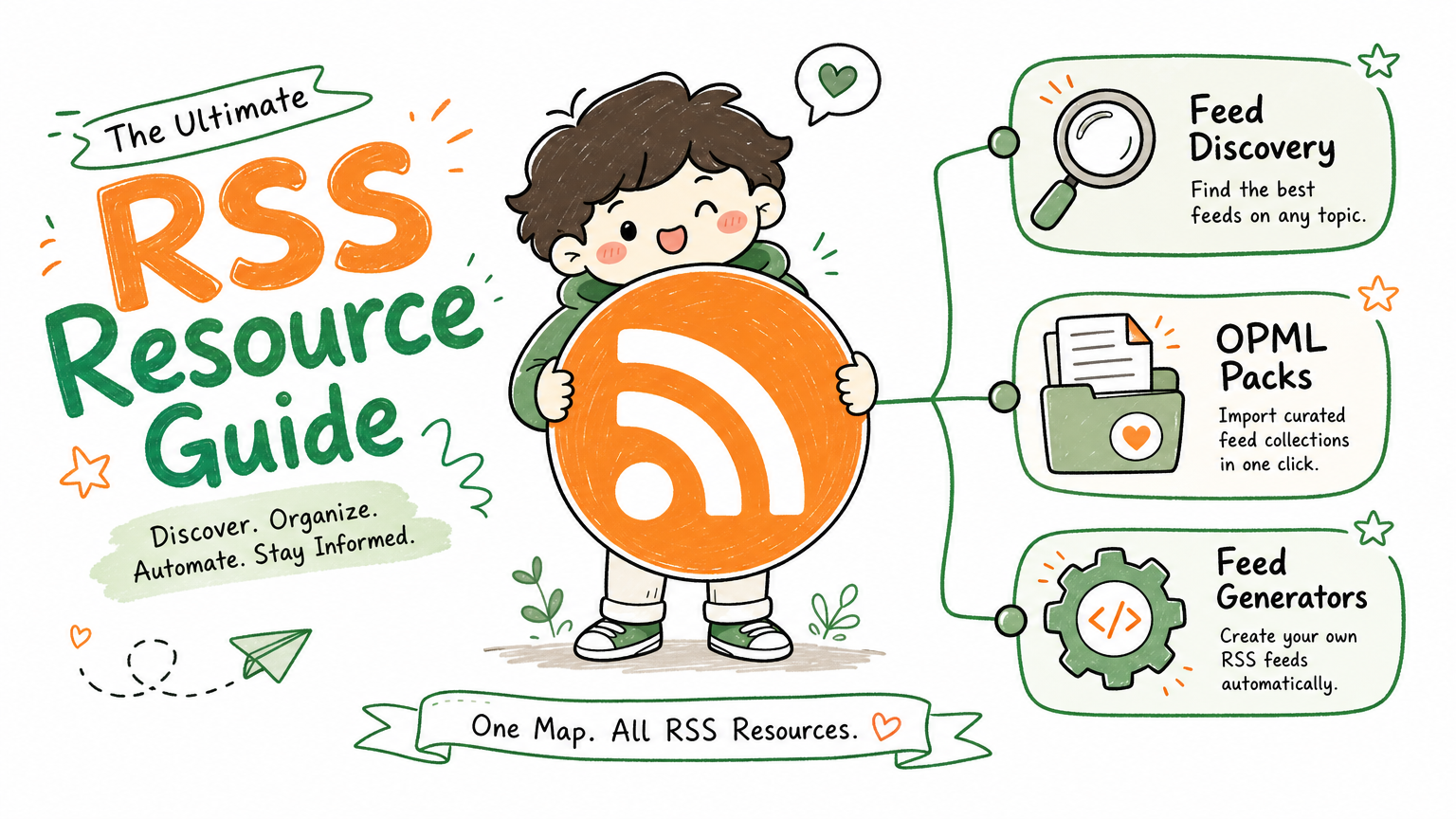
Monitoring a competitor who publishes no feed is the case every RSS guide skips. Twenty-one platforms sorted by which of three jobs they do, and the finished setup is business process automation you own outright, with no seat licence to renew.
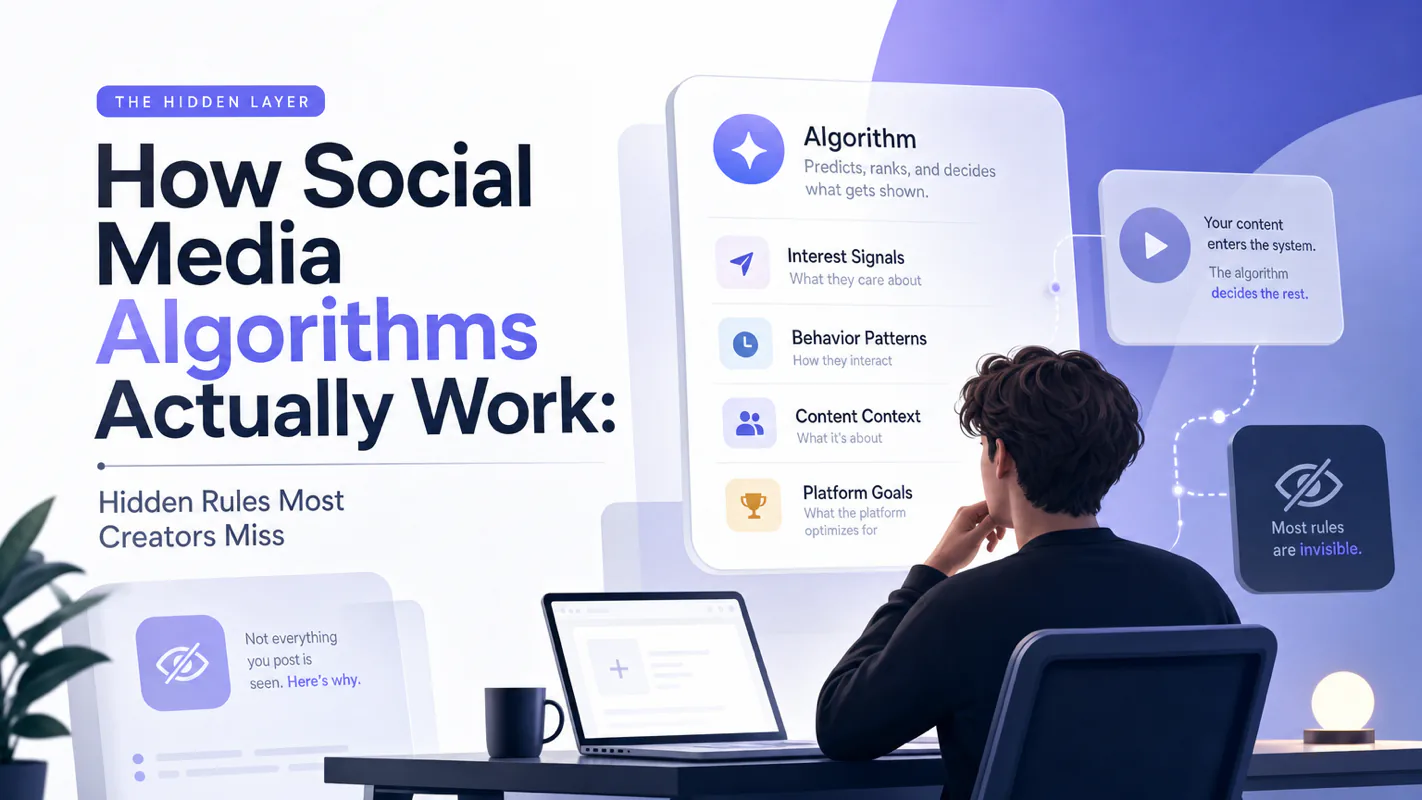
Blaming the content is the reflex when a post underperforms, and it is usually the wrong diagnosis. A second reader decides distribution before any human sees the post, and most of what it checks is mechanical enough to automate business processes around, on five platforms at once.