opinion
Users cry foul after AMD stripped memory crypto from its consumer CPUs
For developers building AI workflows on consumer-grade hardware, the absence of memory encryption could expose sensitive model data or user information to memory-based attacks, potentially compromising security in regulated or privacy-focused applications.
What happened
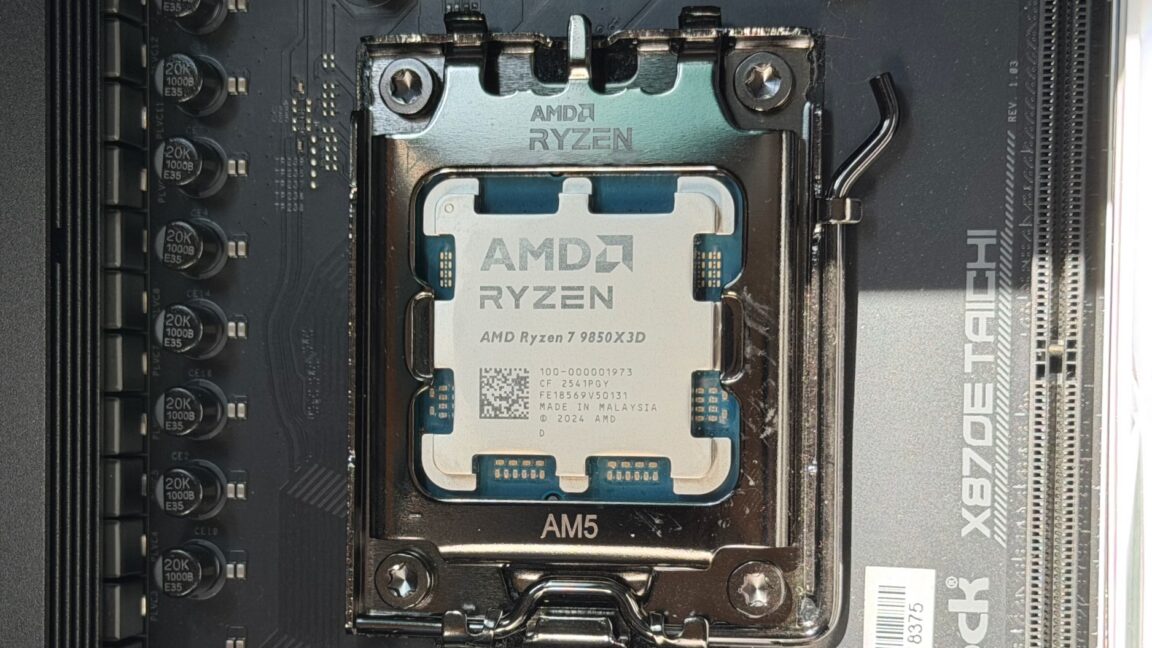
AMD has removed memory encryption capabilities from its consumer Ryzen CPUs, a feature that was previously available on some models. According to Ars Technica, the company stripped the crypto accelerator and memory encryption support in recent generations, citing cost savings and reduced die size for consumer-focused chips. Users have voiced frustration, as the feature provided hardware-level security for sensitive data in memory, which is particularly relevant for developers running confidential workloads or encrypted virtual machines. The move differentiates Ryzen Pro (enterprise) from standard Ryzen, pushing users toward more expensive Pro variants for memory encryption. For AI workflow builders, this means that running models on consumer hardware may lack a security layer that protects model parameters or user data in transit through memory. While performance is unaffected, the loss of hardware encryption could be a concern for those handling sensitive data or deploying AI in regulated environments. AMD has not commented on reinstating the feature.
Key takeaways
- AMD removed memory encryption (including crypto accelerator) from consumer Ryzen CPUs in recent generations, as reported by Ars Technica.
- The feature remains in Ryzen Pro (enterprise) chips, driving a wider gap between consumer and professional lines.
- Users are upset because hardware-level memory security was valuable for confidential computing and encrypted virtual machines.
- The change is attributed to cost reduction and die size optimization, with no official statement on future restoration.
- AI developers using consumer hardware may lose a layer of protection for in-memory model data and sensitive computations.
Why it matters
For developers building AI workflows on consumer-grade hardware, the absence of memory encryption could expose sensitive model data or user information to memory-based attacks, potentially compromising security in regulated or privacy-focused applications.
This is an original editorial digest by AI Workflow Pro. Full reporting at the source:
Read the original on Ars TechnicaMore AI news
All news →





Join the AI Workflow Pro Community